
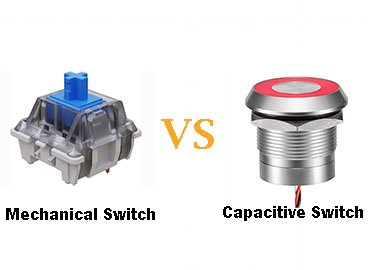
Switches are fundamental operating systems of the electrical and electronic circuits. They are crucial in maintaining electrical current and operate differently depending on the type.
The advanced technology has touch-based switches, while older technology offers a physical switch system. Both differ in multiple ways. Today, we will discuss both types of switches and understand which one is better for you.
Capacitive Switch
What They Are and How They Work
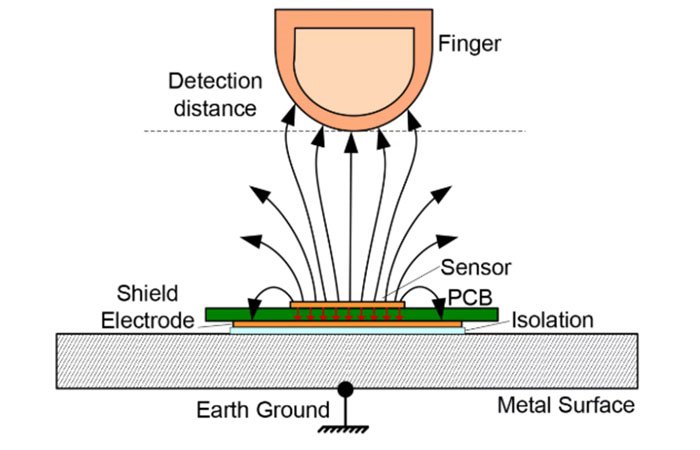
A capacitive switch is an advanced type that senses the change in capacitance and provides an immediate response to close or open the circuit. In this system, you must bring your finger closer to the switch, and the electrical field changes cause the capacitance change and the ultimate response.
Here is the step-by-step sketch of this process.
- There is an outer surface, such as glass, plastic, or overlay material. There is a conductive layer under this outer surface.
- When a finger approaches, it changes the local capacitance.
- The system detects this change and registers it as a «press» or activation.
Advantages
There are several advantages of the capacitive switches.
No moving parts
Since the system depends on the finger movement, there are no more pressing and mechanical stresses. Therefore, switches are more durable and survive longer than other types.
Sleek design
Capacitive switches have a minimalist and excellent design if you are looking for aesthetic designs and quality options. The slim structure makes it more charming.
Easy maintenance
The flat surface is super easy to clean. Moreover, it is resistant to dust, dirt, and spills. Therefore, you can maintain it easily.
High sealing potential
Most switches come with outer protection layers with IP-rated environmental resistances. So, there is better protection and a longer lifespan.
Applications
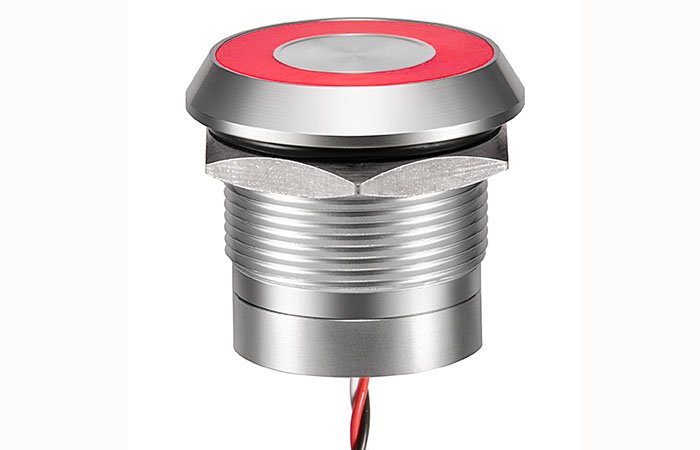
Capacitive switches are helpful for several home and industrial applications. A range of touchscreen kiosks, medical equipment, and industrial machinery panels use these switches.
Consumer electronics have smartphones, tablets, and modern appliances deploying capacitive switches. The automotive industry also uses this type of system for touch dashboards and infotainment systems.
Mechanical Switch
What They Are and How They Work
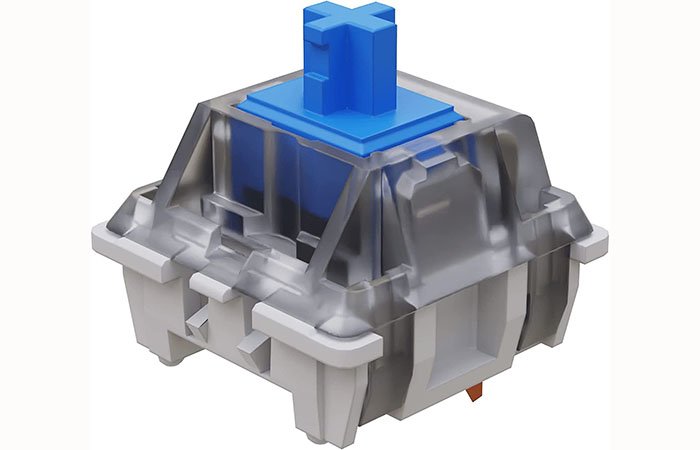
A mechanical switch comes with a physical touch system in which the user presses the button and causes a change in the electrical circuits. Based on the commands, conductive surfaces respond to close or open the circuit.
Advantages
Using the mechanical switches in the home or commercial sectors has several benefits.
Tactile Feedback
The user feels the touch and ensures the accuracy of the pressing system. There are fewer chances of errors and confusion during the operations.
Durable
Robust material is used in the mechanical switches. Therefore, they stand better in the moisture or harsh environmental conditions. It becomes valuable for deploying these switches.
Lower power consumption
There is no current flowing all the time. These switches follow the commands without extra power consumption.
Wide Variety
Mechanical switches come in a variety of shapes, structures, and styles. So, using them and enjoying flawless support with various options is easy.
Applications
Mechanical switches are standard in industrial control panels, heavy machinery controls, and military equipment. Mechanical keyboards also use these switches.
Capacitive Switch vs Mechanical Switch: Key Differences
Capacitive and mechanical switches differ in various aspects, such as technology, response time, and environmental conditions.
Let’s take a look.
| Feature | Capacitive Switch | Mechanical Switch |
| Technology | Electrical field sensing | Physical contact |
| Response Time | Faster | Slightly slower |
| Durability | Higher | Good but wear possible |
| Environmental Resistance | Better | Lower |
| Feedback | None (unless added) | Tactile click |
| Customization | High | High |
| Power Use | Small continuous draw | None when idle |
| Maintenance | Low | Moderate |
| Cost | Higher | Lower |
| Common Use | Modern electronics | Industrial & mechanical controls |
Technology and Functionality
Capacitive switches work through electrical field changes. Therefore, no physical contact is essential for capacitive switches.
In contrast, mechanical switches have conductive surfaces in contact and produce a response depending on the physical contact.
Response time
Capacitive switches respond faster because of electrical field changes. There is no physical contact between the surfaces, causing the delays.
On the other hand, mechanical switches require actuation and cause the slow travel of current and delayed responses.
Durability
Capacitive switches are durable because of no physical components. They are under less stress and have a longer lifespan.
On the contrary, mechanical switches have physical components but are still durable. However, they have a greater environmental impact.
Environmental Resistance
Capacitive switches have better sealing and effective environmental resistance. Therefore, they appear to have a long lifespan.
Mechanical switches are more prone to dust and dirt, even if you have added the proper sealings.
User Experience
Capacitive switches have a sleek and unique design and are ideal for functionality. But there is a problem— no tactile feedback to assure users.
Mechanical switches offer better feedback and keep users confident about the functionality.
Customization options
Capacitive switches are easy to customize. You can change graphics, layout, and touch sensitivity.
On the opposite side, mechanical switches also feature a wide range of customization for design, color, and actuation structure.
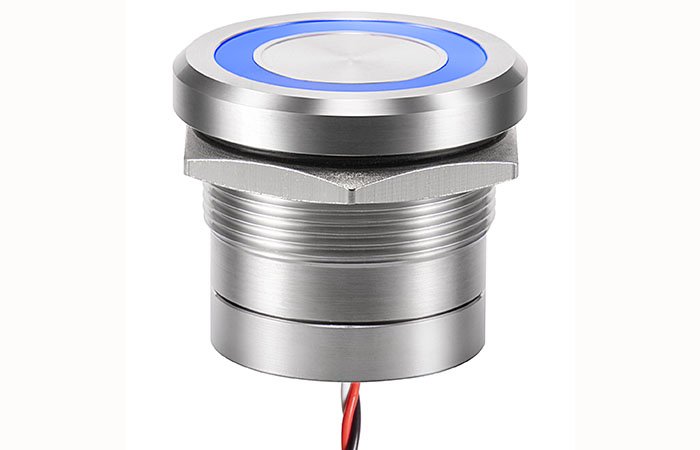
Choosing the Right Switch in Capacitive vs Mechanical Switches
Choosing the right switch depends on the following features.
Durability needs
Do you have high durability? Both mechanical and capacitive switches are durable. However, you must consider their construction and environmental resistance for better durability.
Tactile feedback
Tactile feedback gives the surety of response, and the user feels relaxed. If you expect tactile feedback, a mechanical switch is better.
Environmental conditions
In what conditions do you live? Harsh conditions with a high dust ratio compel a highly sealed capacitive switch to be deployed.
Cost
Your budget can also decide. For example, a small budget means you should work with the mechanical switches. Otherwise, you can also choose the capacitive switches at higher prices.
FAQs
1. Do capacitive switches require more maintenance?
No. Capacitive switches require less maintenance because of no moving components.
2. Do mechanical switches last longer?
It depends on the quality. A few mechanical switches can last millions of presses, while others can be destroyed in a few weeks. Your maintenance is crucial for the mechanical switches’ longevity.
3. Can capacitive switches detect multiple key presses more accurately?
Yes. Capacitive switches can detect multiple presses simultaneously with 100% accuracy without causing mismatched responses.
4. Are capacitive switches waterproof?
If sealings are IP rated and switches are manufactured to international standards, you’ll get the waterproof switch. First, confirm the waterproofing from your suppliers.
Conclusion
Capacitive to mechanical switches, all of them have a different role in the latest technology and electric systems. Capacitive touch is an advanced system that offers sleek design, better touch systems, and super easy maintenance. On the other hand, mechanical switches are ideal for older applications with tactile feedback and easy operations.
 Russia
 English