
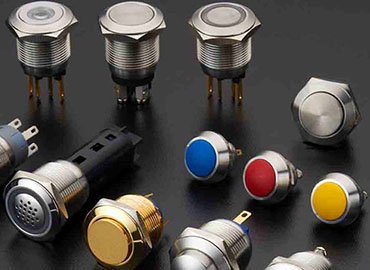
Push button switches are ideal parts of household and commercial electronic systems. From running machines to empowering home devices, these switches play a crucial on/off role.
But they come in various constructions and configurations. The two most famous constructions are the metal and plastic push button switches.
We will compare both metallic and plastic push button switches and understand which are suitable for your given conditions.
What Is a Metal Push Button Switch?
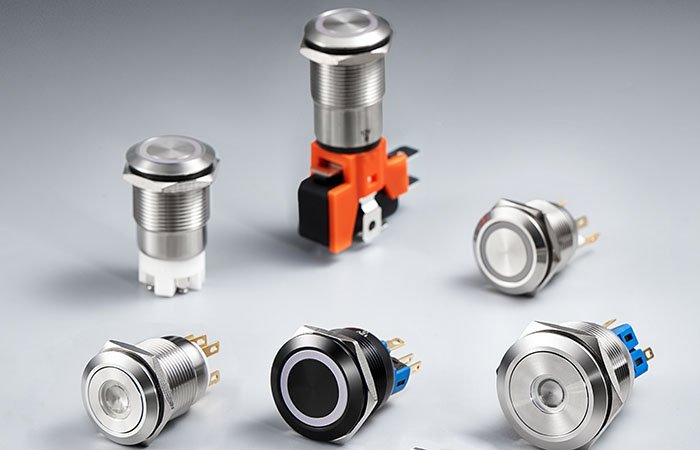
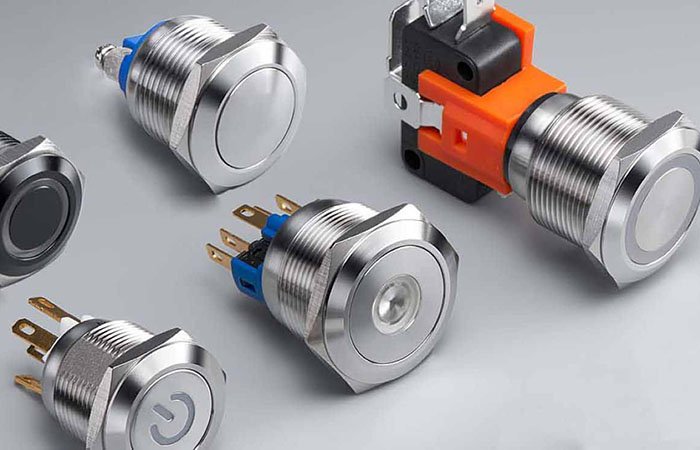
A metal push button switch refers to the metallic construction of the switch. Commonly used materials include stainless steel, aluminum, or zinc alloy.
They elevate the durability and give it more construction freedom. Such switches are part of industrial machinery, outdoor equipment, and automotive systems.
What Is a Plastic Push Button Switch?
Plastic push-button switches are the trendy items in the electronics industry. They are often composed of thermoplastic materials like ABS, polycarbonate, or nylon and provide a quality construction.
Such switches are used in home appliances, electronics, and light industrial control systems. Because of electrical insulation, they are pretty much useful for various industries.
Metal vs Plastic Push Button Switch: Ultimate Differences
Metal and plastic push-button switches share a few key differences. Let’s explore them.
Durability and Strength
Durability is a major issue when you are installing the switches in harsh environmental conditions. Metal push buttons have the necessary strength and don’t give up in extreme temperatures or high moisture. They stay longer and resist the changes.
While a plastic push button is durable, it is not enough to survive high pressure; even temperature extremes can influence its integrity and cause damage to such buttons.
Aesthetic Appeal and Finish
Aesthetic appeal sometimes matters to consumers. Metal push button switches are ideal for aesthetic designs and quality finishes. They appear shinier and give a premium look with a variety of design options.
On the other hand, plastic looks good but doesn’t give a classic picture. Moreover, due to molding and flexibility, it offers a better range of options and designs.
Resistance to Environmental Conditions
Metal push-button switches are something else compared to the plastic ones for environmental conditions. They resist rust in the moisturization and allow a better compatibility with temperature fluctuations. Metal buttons are ideal for the fluctuations in the environment.
Plastic push button switches are ideal for indoor environmental conditions. They allow flexibility in the home with better costs and quality. Exposure to UV or high temperatures can destroy its quality rapidly.
Cost and Affordability
Metal push-button switches are durable and offer a comprehensive range of features. But they come at an expensive price compared to the plastic switches.
Plastic switches have a lower cost because of their ABS or nylon raw materials. They are cheaper and offer durability for indoor applications.
Weight and Portability
Metal switches are heavier due to their metallic construction. If you are looking for portability, metal switches are portable, too. But their weight is high compared to the same category of plastic switches.
Plastic switches are flexible and compact in structure due to their molding and elastic nature. Naturally, they are lightweight and hence preferred as portable items. They consume less space.
Electrical Insulation Properties
Metal switches are natural conductors of electricity. They transmit power from one location to another. If you are looking for insulation, you have to add it inside the metal housing.
In contrast, plastic is an insulator and offers better protection. It reduces the risks of electrical accidents and keeps the system safe.
Maintenance Requirements
Metal switches require less maintenance because of less impact on their materials. Occasional cleaning is sufficient to let me work for decades.
A plastic button requires regular repair and maintenance; sometimes, it might need replacement.
| Feature | Metal Push Button Switch | Plastic Push Button Switch |
| Durability and Strength | Extremely durable; resists impacts, temperature, and moisture. | Less durable; may deform under heat or pressure. |
| Aesthetic Appeal and Finish | Premium look; shiny and professional finish. | Good look but lacks metallic elegance. |
| Resistance to Environmental Conditions | Resistant to rust, vibration, and harsh weather. | Best for indoor use; UV and heat can damage it. |
| Cost and Affordability | Higher cost but long-term value. | Budget-friendly and widely available. |
| Weight and Portability | Heavier due to metal build. | Lightweight and easy to install. |
| Electrical Insulation Properties | Requires insulation; conducts electricity. | Naturally insulating; safe for electrical use. |
| Maintenance Requirements | Low maintenance; durable surface. | Needs more care and replacements over time. |
| Ideal Application | Industrial, outdoor, or harsh environments. | Indoor, light-duty, or cost-sensitive projects. |
Which One Should You Choose?
The selection of the right push button switch requires a range of applications. We have added a few cases here.
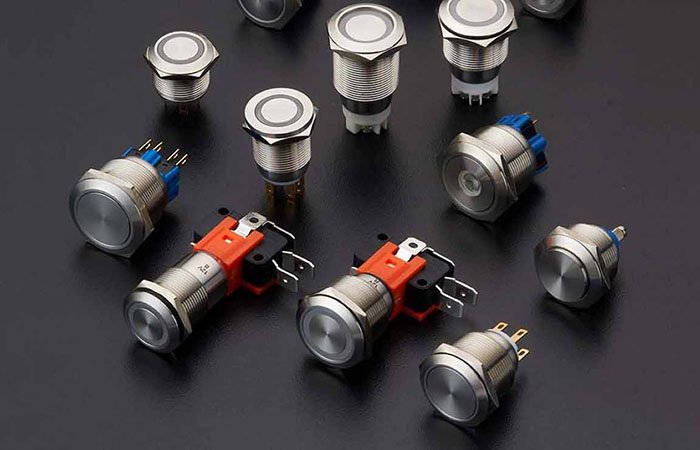
Choose metal push button switches if you:
- Need a durable and long-lasting switch for industrial and outdoor use.
- Value aesthetics and require a professional, sleek design.
- The environment involves moisture, dust, or vibration.
Choose plastic push button switches if:
- Working with budget-sensitive projects.
- The switch will be used indoors or in low-impact conditions.
- Need lightweight or color-coded switches for quick identification.
Frequently Asked Questions
1. Are metal buttons better than plastic?
It depends on the situation. If you are looking for durability and strength, undoubtedly, metal buttons are far better. For simple applications, you should consider plastic push buttons because they are cost-effective.
2. Do metal buttons rust?
If your metallic push button is purely iron, then it rusts due to oxidation. However, stainless steel or aluminum construction protects better against rust and corrosion.
3. Can a plastic push button age over time?
Yes. Prolonged exposure to UV light or extreme temperatures can age plastic push buttons. However, proper temperature and maintenance are safer.
4. Are plastic push-button switches safe for industrial applications?
You can use the plastic button switches only in a few low-stress conditions. For extreme conditions, your primary choice should always be the metallic push button switches.
Conclusion
Choosing between the plastic and metallic push button switches can sometimes be confusing. But don’t worry, an ideal choice is to understand the usage and grab the relevant push button switches. For stress conditions, go for metal, while low-stress conditions make plastic push button switches more affordable choices.
 Russia
 English