
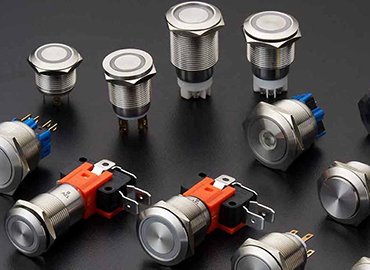
Anti-vandal switch is one of the switches with a very wide range of applications. This article will provide you with detailed information about anti-vandal switch. Whether you have known about it before or not, you can learn more by reading this article.
What Is An Anti Vandal Switch?
What does vandal resistance mean? Vandal resistance is a feature that is specifically designed to withstand certain damage or prevent accidental actuation. Switches with this feature are often designed for use in harsh environments, such as wet, salty, and corrosive environments. As a result, vandal-resistant switches are more rugged, durable, and safer products.
Anti-vandal switches evolved from plastic push button switches and are mainly installed on panels. With the continuous updating and iteration of technology and materials and the needs of users, anti-vandal switches are smaller, more delicate and more widely used. Anti vandal push button switch has a hard metal shell, and the shell material is generally made of high-strength and corrosion-resistant metals such as stainless steel and aluminum alloy. And this type of switch usually has a sealing ring to isolate the intrusion of liquids and solids, so it has good sealing and generally a high level of protection.
How does An Anti Vandal Switch Work?
Since the internal structure of the anti-vandal switch is different, how it works depends on how you install the whole system and how you control the whole system or device. The detailed explanation in the following section can help you discover how the anti-vandal switch works.
Robust enclosure: indicator lights, springs, moving and static contacts, bimetallic strips, etc. are all installed in the metal enclosure, which is generally made of 304 stainless steel, 316 stainless steel, brass, aluminum, etc. The hard metal casing can effectively protect the internal structure. The robust enclosure also has an anti-tampering function to prevent external damage or prying to change the system operation.
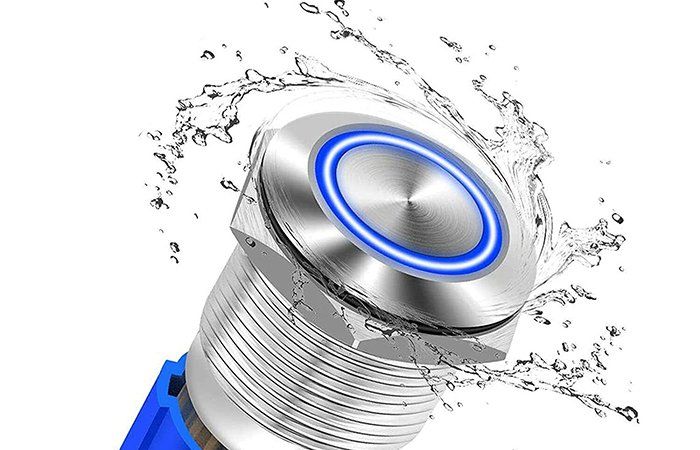
Sealed structure: The integral structure and sealed O-ring make the anti-vandalism switch reach IP65 or IP67 level, operating effectively in wind and rain.
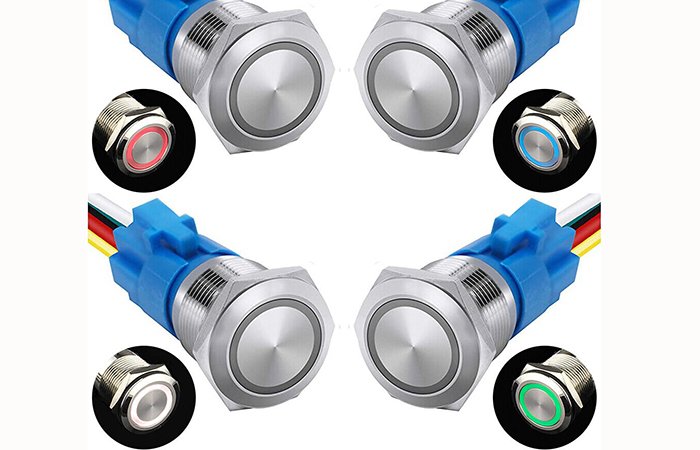
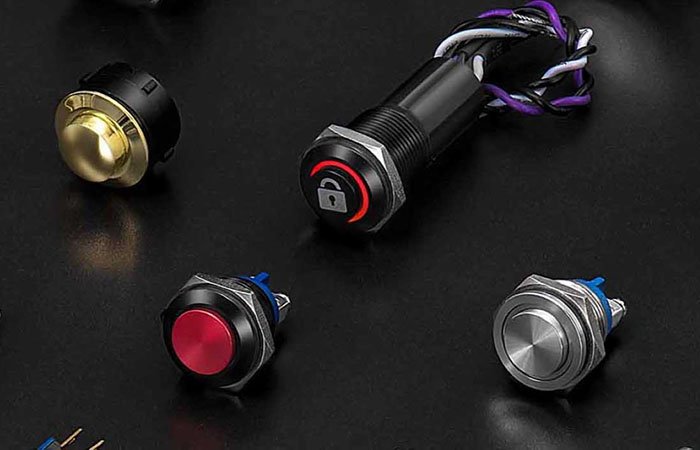
Illumination: LED lights are installed inside, which can be designed as dot illumination, ring illumination, or transparent special symbols (power symbols). Different backlit label kits can even be attached for easy replacement at any time. Bi-color or tri-color LED lights(RGB) can be selected for a common cathode or common anode according to different needs.
Momentary or locking function: Anti-vandal switches are available in momentary 1NO, momentary or latching 1NO1NC, momentary or latching 2NO2NC. These different functions provide users with a wider range of choices. When the actuator of a momentary switch is pressed, the actuator will rebound to its initial state. When a self-latching switch is pressed, the actuator will lock in that position and will not rebound.
Actuator: can be divided into flat head, high flat head, round head, and the actuator can be customized according to equipment requirements.
Key or tools: Some may require a key to open or close, and cannot be started without a key. This is also an anti-tamper switch.
To sum up, you can roughly understand how the anti-tamper switch works. You can also find more articles for reference, or buy some samples locally for testing.
Advantages of Anti Vandal Switch
An anti-vandal switch is more robust because it resists damage and accidental touches. Common advantages of anti vandal switches are as follows:
Anti-misoperation: This is one of the characteristics that distinguishes this type of switch from other switches, and it is also one of the most important functions of this type of switch. The anti-vandal switch can not only resist malicious damage, but also prevent accidental touches. This function can greatly reduce errors and ensure the normal operation of the equipment.
Sturdy and durable: The anti-vandalism switch has a solid shell as support, mainly using metal materials with the advantages of corrosion resistance, high temperature resistance, rust resistance, and high strength, ensuring that the switch has sufficient strength to withstand the impact caused by huge external forces.
Waterproof and dustproof: The metal shell is integrally formed, and there are no extra grooves or gaps in the button part. While protecting the internal parts, it prevents the entry of external solids or liquids, effectively preventing water and dust.
Beautiful appearance: Different metal materials bring different visual effects. For example, the stainless steel shell has several circles of metal texture, and the nickel-plated shell can reflect light. Moreover, this kind of switch is small in size and very beautiful.
What Are Anti-Vandal Switches Used for?
The powerful functions of anti vandal switch button push can be applied in many industries and scenarios. The common industries are as follows:
Public transportation: Public transportation may generate different vibration frequencies due to road conditions or water surface fluctuations during operation. The stable and reliable performance of anti-vandal switches can ensure that the functions of the equipment are not affected during operation and can operate normally, such as buttons on control panels of buses, trains, ships, etc.
Public infrastructure: such as vending machines, public telephones, crosswalks, hot stamping machines etc.. These devices are used by countless people every day and may be affected by the environment or cause machine failures due to intentional or unintentional user errors. The powerful function of anti-vandal switches can avoid damage caused by natural factors such as weather and environment, as well as human failures.
Industrial control equipment: Industrial environments are diverse, including outdoor weather and environmental influences, as well as equipment failures caused by mechanical vibrations during production. Anti-destruction switches can effectively prevent dust, water, and shock, prevent equipment or parts from loosening, accidental touch, etc., improve production, and ensure safety. For example, mechanical control, monitoring equipment, control panels, etc. can all use anti-destruction switches.
Security equipment: such as access control systems, monitoring equipment, etc. Although the equipment used in this environment is not used frequently, it is required to work normally at any time to ensure safety and cannot be maliciously destroyed or tampered with. Therefore, anti-destruction switches can ensure the normal operation of the equipment and resist intentional destruction.
Medical equipment: Medical equipment must avoid errors during use, so switches with strong stability and durability such as anti-tampering switches are very necessary. In addition, medical equipment is relatively expensive, and choosing anti-tampering switches with a long service life can effectively reduce the frequency of equipment upgrades and save costs.

Types of Anti-Vandal Switches
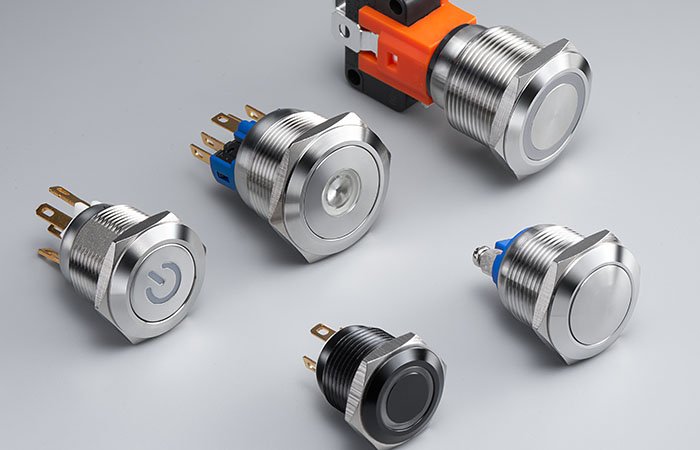
To meet the demands of different applications,anti-vandal switches are classified by material composition, operational mechanism and installation method.
Material Composition: Stainless steel switches dominate outdoor and marine environments due to their corrosion resistance. Aluminum switches, on the other hand, offer lightweight options for aerospace or portable equipment.
Operational Mechanism: Momentary switches, common in emergency stop systems, briefly open or interrupt a circuit when pressed. Maintained switches, on the other hand, remain closed when pressed.
Installation Method: Panel mount designs with threaded sleeves are available for vibration-prone machines. Panel mount design with adhesive backing allows for rapid deployment for field maintenance.
How to Choose the Right Anti-Vandal Switch
Choosing the right switch requires considering environmental, electrical and frequency of use factors.
Environment: For outdoor installations, stainless steel enclosures with IP67/IP69K ratings are preferred to protect against deterioration caused by sunlight or ozone. In chemically corrosive environments, epoxy-sealed terminals should be used to protect against solvent or acid degradation.
Electrical: Switches should be rated to match the load. Low-power systems such as LED indicators are compatible with 12V DC, 1A switches. High-power motor control requires 240V AC, 10A switches.
Frequency of use: High-traffic applications such as subway control require metal actuators with tactile feedback to withstand repeated presses. Low-use panels benefit from cost-effective plastic-coated models without sacrificing durability.
Aesthetics: The use of Laser-etched labels can be used to enhance the aesthetics of a product to improve brand image.
How to Wire an Anti-vandal Switch
Proper anti vandal switch wiring can maximize the performance and life of your switch. Here are some steps for a clean and professional installation.
Step 1: Identify the Switch Terminals
Most anti-vandal switches have:
- 2 terminals (for basic NO/NC operation)
- 4 terminals (if illuminated: 2 for switch, 2 for LED)
Check the datasheet or markings:
- NO (Normally Open) – Closes circuit when pressed.
- NC (Normally Closed) – Opens circuit when pressed.
- LED+ & LED– – For backlight power (if applicable).
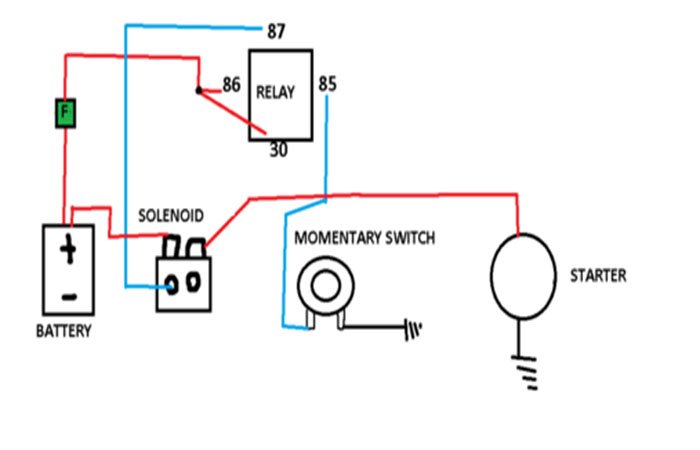
Step 2: Basic Wiring (Non-Illuminated Switch)
Momentary Switch (Push-to-Make)
- Connect power (+) → switch terminal 1.
- Connect switch terminal 2 → load (e.g., relay, buzzer, LED + resistor).
- Connect load → power (–) to complete the circuit.
📌 Circuit Diagram:
Latching Switch (On/Off Toggle)
Wiring is the same, but the switch stays closed until pressed again.
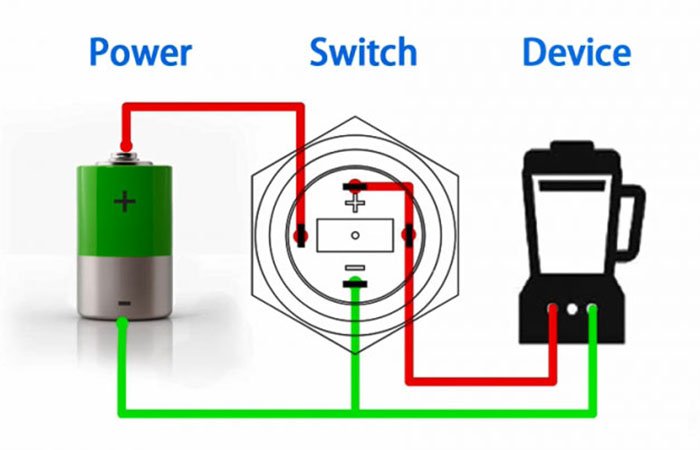
Step 3: Wiring an Illuminated Anti-Vandal Switch
If your switch has an LED backlight, it needs separate power:
- Switch Terminals – Wire as above (for the main circuit).
- LED Terminals – Connect to a power source (often same as main circuit).
- LED+ → Power (+) (add a resistor if needed).
- LED– → Power (–).
📌 Example (12V LED switch):
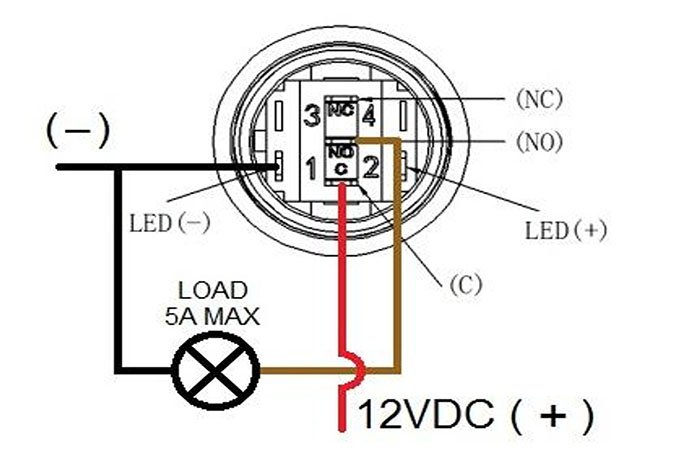
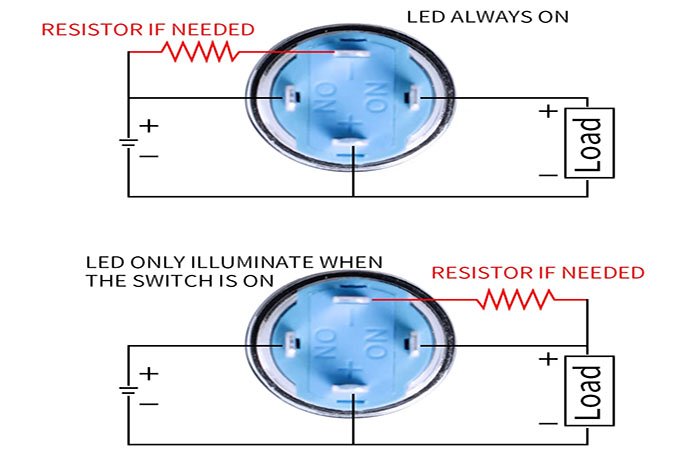
Step 4: Testing & Installation
- Check connections with a multimeter (continuity mode).
- Power on and test the switch operation.
- Mount the switch in a panel using the included nut.
Troubleshooting
- Switch doesn’t work? → Check polarity, loose wires, or blown fuse.
- LED not lighting? → Verify resistor value (if needed) and correct +/-.
- Intermittent operation? → Check for poor solder joints or damaged wires.
Maintenance Tips
Regular maintenance is essential to ensure the long-lasting performance of your anti-vandal switches. First, clean the switch surface regularly with a lint-free cloth and mild detergent to remove any dirt that may interfere with operation. For switches exposed to harsh environments, inspect sealing gaskets and o-rings every 3-6 months. If they show signs of wear or cracking, be sure to replace them to maintain their waterproof and dustproof properties. For electrical performance, you can use a multimeter to test resistance. This resistance should be kept low (typically below 0.1Ω) to ensure efficient current flow. By implementing these maintenance measures, you can extend the life of your vandal-resistant switches and ensure reliability.
FAQ
What sizes are available for anti vandal switches?
Common apertures range from 10mm to 40mm, such as 12mm anti vandal switch, 16mm anti vandal switch, 22mm anti vandal switch are common sizes. Non-standard sizes can also be customized.
What is the protection level of the anti vandal switch?
Generally, it is IP65, and can reach IP67.
What are the two-color and three-color lights of the anti-vandal switch?
Anti-vandal switches are equipped with two or three LED lights of different colors. When the button is controlled, the color of the LED light will change due to the control of different functions. The tri-color light usually refers to the RGB anti-vandal switch, which is red, green and blue.
What are the electrical characteristics of anti-destruction switches?
Anti-destruction switches are usually designed in low voltage and low current form, and can work with larger current and voltage, so as to adapt to more industries and occasions, and achieve low power consumption and high efficiency conversion. The contact resistance is generally below 50mΩ, and the electrical life is required to be at least 100,000 times.
Can I wire it by myself?
Simple low-voltage projects are suitable for DIY. For high-voltage systems or industrial machinery, call a licensed electrician to ensure compliance and safety.
Why does my switch spark when pressed?
Minor sparking is normal due to an inrush current, but large sparks suggest a short circuit or overload. Immediately disconnect the power and inspect for crossed wires or excessive load.
Can I use a 12V switch for a 240V circuit?
Never. Lower-rated switches lack the insulation and contact spacing to handle high voltages, risking fire or electric shock. Always match the switch’s rating to the circuit.
 Russia
 English