
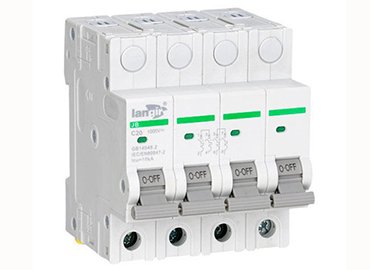
The circuit breaker is the first thing that comes to mind when considering electrical safety. Designed to shut off power automatically in the presence of an overload or a short circuit, a tripping breaker is a sure sign that something is wrong. Can a circuit breaker fail without tripping, exposing your home or business to potential unseen electrical dangers? Let’s look at everything you need to know about circuit breakers and whether or not they can fail without tripping.
What is A Circuit Breaker?
A circuit breaker is more than just an on-off switch. It’s a complex piece of protective equipment designed to prevent electrical fires, equipment damage, or electrocution.
How Does A Circuit Breaker Work?
The basic principle of a circuit breaker is fundamental switching and electrical system protection, which consists of two basic features: detecting a fault.
Thermal Protection (Overload)
A bimetal strip inside the breaker heats up due to a current above the normal load, which causes the strip to bend. However, if the current is too high for too long, the strip will bend enough to switch off a mechanical latch, which disconnects the power. This feature prevents prolonged overloads that may cause wires and parts to overheat.
Magnetic Protection (Short Circuit)
In the event of a sudden increase in current, such as a short circuit, a solenoid in the breaker causes the contacts to open and close. This magnetic journey is virtually instantaneous and essential in protecting against the high-level fault energy of an initial fault.
If one of these systems functions properly, the breaker switches off, power is cut, and an alarm sounds. If one or all are not working correctly, the circuit breaker may fail without tripping.
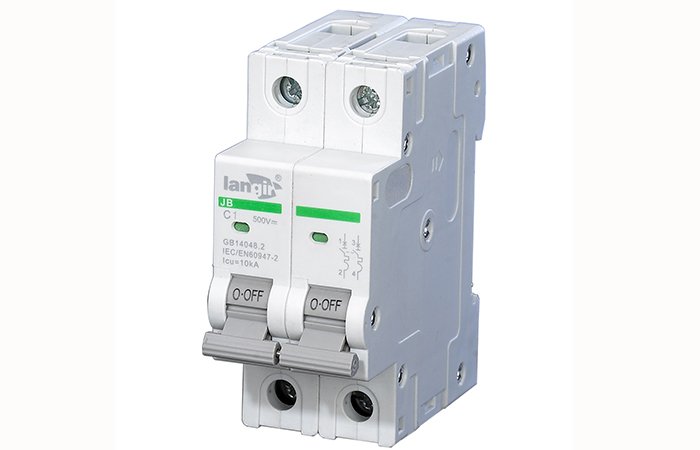
What May Cause a Circuit Breaker To Fail Without Tripping?
Certain factors can compromise the effectiveness of a circuit breaker, rendering it a safety hazard. These include:
- Physical Breakdown: Circuit breakers are machines, and like all machines, they age, so this may cause them to fail without tripping.
- Sticking Mechanisms: Whether due to dust, dirt, corrosion, or lubrication failure, the internal tripping mechanism may become stuck and refuse release even under fault loading conditions.
- Faulty Springs: The springs that pull the tripping mechanism into action can weaken over time, rendering them unable to react to faults effectively.
- Loose Connections Inside: Internally, loose connections can generate high resistance and localised heating, damaging the breaker, even without creating a significant enough current surge to trip it.
- Heat Damage and Arcing: The internal components of a circuit breaker can become damaged over time, particularly when the breaker is consistently subjected to high temperatures, such as chronic overloading or loose connections.
- Welded Contacts: Intense heat or arcing can cause the contacts in the breakers to weld together, preventing them from opening and stopping the flow of electricity.
- Insulating Breakdown: When a high temperature breaks down the forces that insulate components in a breaker, internal shorts can cause the breaker to fail to trip outside.
- Faulty Manufacturing: Although rare, it can be a manufacturing issue that may result in a defective breaker. That may be due to improperly aligned calibration, poor-quality material, or poor assembly, which makes it challenging to trip reliably.
- Improper installation: If a breaker is not correctly installed, it may fail to work as intended.
- Incorrect torquing of terminals: Loose connections at the breaker terminals may create resistance and localised heating, eventually causing the breaker or the conductor the breaker is guarding to fail.
- Mismatched Breaker Type: A breaker not designed for the application may jeopardise its working, even though the breaker might appear to be working.
- Age and Obsolescence: Older circuit breakers, especially those built before safety standards, have improved their current safe levels of operation. Older devices may not work safely because they may have been designed with substandard materials or without robust bodies.
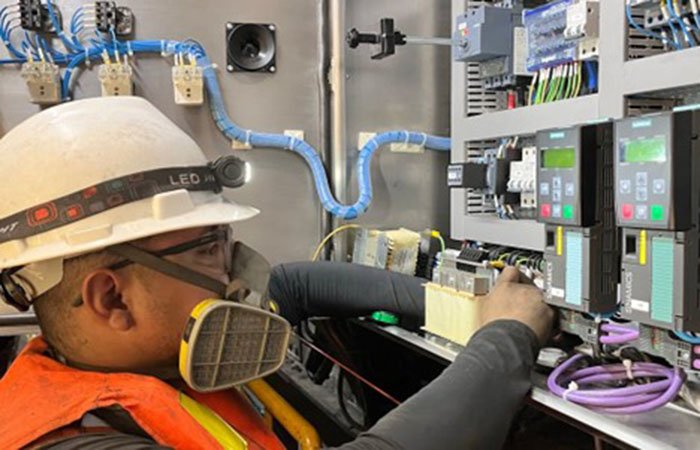
What Happens If A Circuit Breaker Fails Without Tripping?
When a circuit breaker fails to trip automatically, disaster may result, causing minor problems to escalate into major ones. These include:
Electric Fires
This is possibly the greatest danger. If the breaker doesn’t trip, the overloaded or short-circuited wiring will keep drawing electricity until its insulation melts and burns, perhaps setting fire to the flammable materials near it.
Equipment Destruction
Plugged-in appliances, devices, and equipment that are part of the circuit affected by the overcurrent may become significantly damaged or destroyed due to persistent overcurrents, requiring costly repairs or replacements.
Electrocution Hazard
In a ground fault or short circuit, a non-tripping breaker leaves the dangerous electrical current live, presenting a live electrocution hazard to anyone touching faulty wiring or appliances.
Systemic Electrical Damage
A persistent fault can strain and damage other electrical system elements, such as wiring, outlets, or even the main service panel, causing widespread disruption to the electrical system.
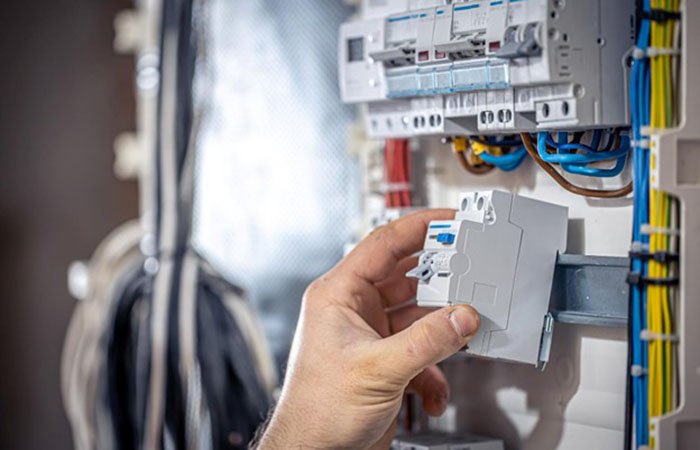
Faulty Circuit Breaker — What To Look For and How To Prevent It
Since a non-tripping breaker doesn’t indicate a tripped switch, detecting an issue can take vigilance. Beware of a burning smell, discolouration, flickering lights, dimming power, warm or hot circuit breakers, and frequently blown fuses. You can prevent disaster by:
- Having routine checkups by a licensed electrician
- Professional installation and repair of the circuit breaker
- Avoid overloading circuits
- Upgrade your old circuit breakers.
Circuit breakers are intended to offer safe protection but can fail. It is critical to know why they fail silently, the signs of their impending doom, and, therefore, how to avoid becoming victims of them.
FAQS
- How many times should I check my circuit breakers?
You should have a professional electrical inspection every 3-5 years. This enables an electrician to determine the shape of your breaker and understand your electrical system.
- What are the types of circuit breakers?
- Standard / Thermal-Magnetic Circuit Breakers (MCBs): Protect from overload and short circuit.
- GFCIs (Ground Fault Circuit Interrupters): Protect against ground faults (electric shock).
- Arc Fault Circuit Interrupters (AFCIs): Guard against arc faults (causes of electrical fires caused by damaged, overheated, or stressed electrical wiring).
- Combination (GFCI/AFCI) Breakers: Offers GFCI and AFCI protection.
- Main Breakers: These power controls the connection from the utility to the entire panel.
- How does a fuse differ from a circuit breaker?
We have fuses as a sacrificial component that can be melted to open a circuit during an overcurrent event (and aren’t easily replaced). Circuit breakers are reusable switches that open, or «trip,» when an overcurrent occurs but can be reset.
- What is a “phantom trip”?
“Phantom trip” is another colloquialism for a nuisance trip, where a breaker trips with no apparent cause. This typically indicates an intermittent fault or an ageing breaker.
 Russia
 English