
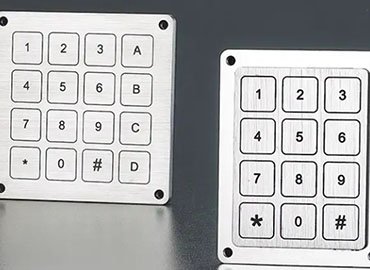
For a long time, traditional mechanical keypads have dominated our lives. However, they have a limited lifespan, which troubles many people. After all, replacing keypads frequently means costing more money. With the continuous advancement of technology, piezo keypads were born. Thanks to their superior durability, piezo keypads are gradually replacing mechanical keypads. Perhaps you’re unfamiliar with piezo keypads. Don’t worry! This article will explain in detail the working principle, application scenarios and selection guide of piezo keypads.
What Is a Piezo Keypad
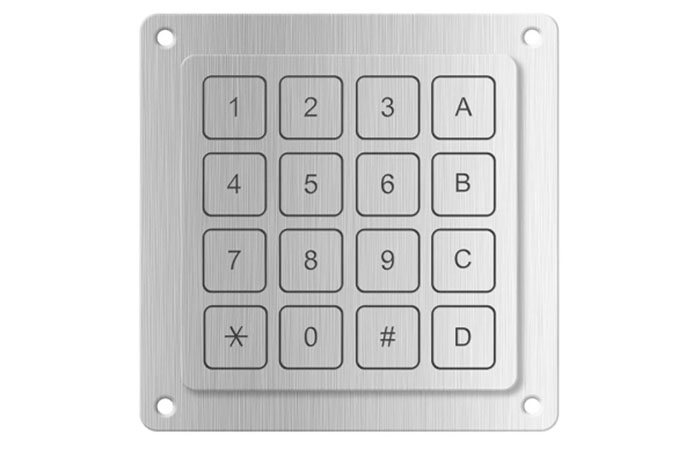
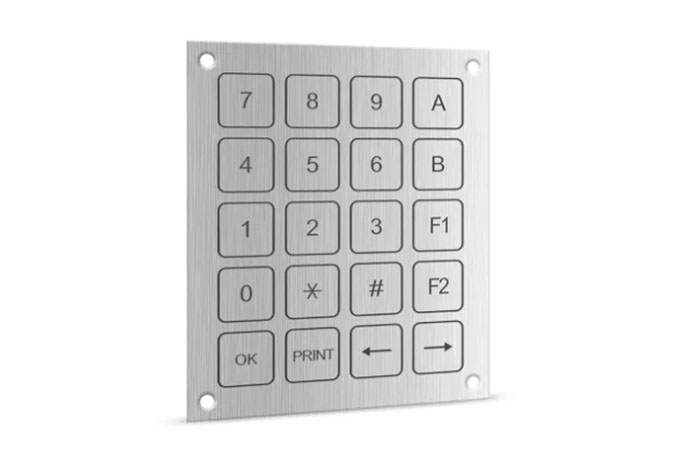
The piezo keypad is very special. Unlike traditional mechanical keypads, it lacks physical keys. The inventor utilized piezoelectric technology to convert pressure into electricity. When you touch the surface of the keypad, the internal sensor detects this action. And this action will trigger the corresponding command, ultimately generating an electrical signal. The piezo keypad has a smooth surface without any gaps. This design makes it easy to clean and maintain. In some sterile or harsh environments, the piezo keypad is an ideal choice.
How Piezo Keypads Work
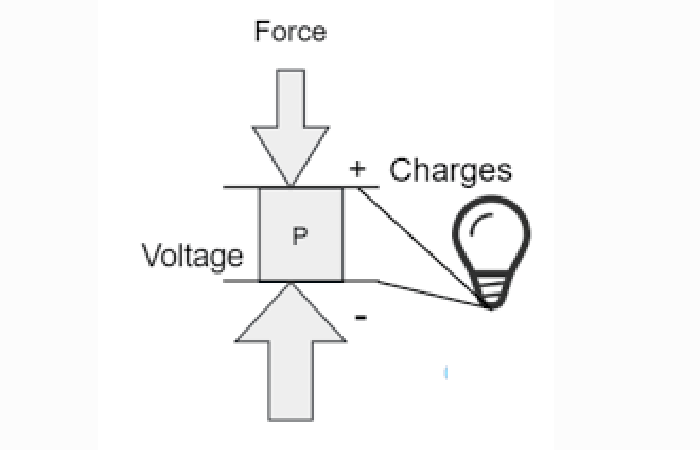
Are you curious about how a piezo keypad generates electricity? Don’t worry, I’ll unlock the mystery for you. Piezo keypad operates primarily based on the piezoelectric effect. When you press on its surface, an internal membrane is activated to generate an electric current. This current is captured which triggers a specific function. Ultimately, it is converted into an electrical signal. Since the position of the internal parts does not change during the entire process, the piezo keypad is almost free of wear and tear. This feature greatly extends its service life.
Pros and Cons of Piezo Keypads
Pros
Rugged and durable: The piezo keypad is made of an extremely hard metal material that is difficult to damage. In addition, its internal structure is designed to require minimal maintenance.
Longevity: Compared to traditional mechanical keypads, piezo keypads have a significantly longer lifespan. You can press it over 50 million times so it can last for many years.
Suitable for harsh environments: The enclosure of the piezo keypad has a protection rating of up to IP68. It’s not only dustproof and waterproof but also resistant to oil and salt spray corrosion. If you need to use it outdoors, a piezo keypad is your best choice.
Wide Temperature Adaptability: Piezo keypads can work well in extreme temperatures ranging from -40°C to 125°C. This makes it safe and stable to be used in various environments.
Accept customization: Piezo keypads can be customized with logos and shapes according to your needs.
Cons
High Cost: Due to their specialized materials and manufacturing process, piezo keypads are significantly more expensive to produce than ordinary mechanical keypads.
Low Sensitivity: Piezo keypads require firm pressure to activate.
Applications of Piezo Keypads
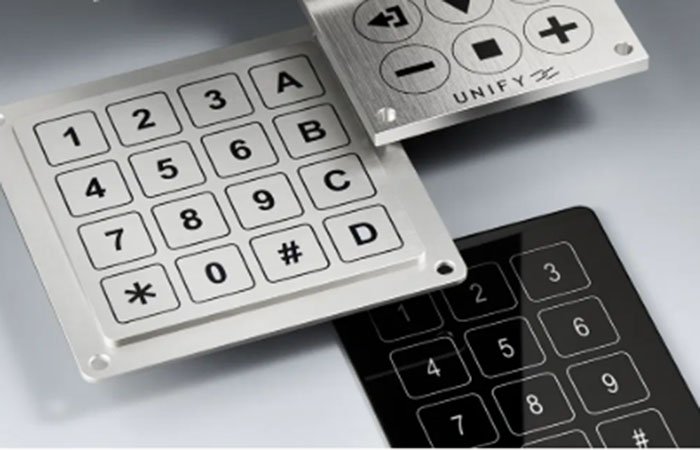
With excellent durability and a wide range of environmental adaptations, piezo keypads play an essential role in a variety of fields.
Industrial: Piezo keypads are resistant to the oils and dust generated by factory operations and are easy to clean. This is why they are often found on control panels and operating tables in factories.
Medical: The surface of the piezo keypad is smooth and lacks seams. It is completely sealed at the rear to effectively block contamination. These designs make them ideal for use in sterile environments such as operating rooms that require frequent sterilization.
Transportation: The piezo keypad’s stainless steel housing meets IP68 protection. It can prevent water from entering even in heavy rain, so it is very common in vehicles such as airplanes and trucks.
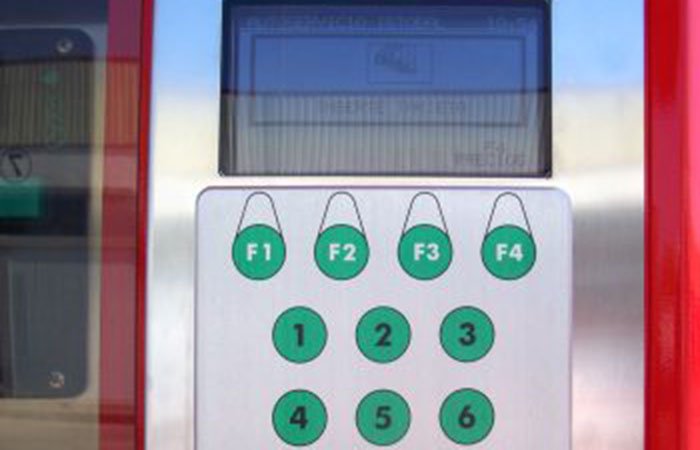
Public Facility: Piezo keypads are very rugged and vandal-resistant, making them ideal for use in public facilities such as ATMs and ticket machines.
Selection Guide: 4 Key Considerations
Before choosing a piezo keypad, it is important to consider the following 4 factors to help you find the right product.
Voltage
Voltage is an overlooked but crucial factor. Understanding the operating voltage of a piezo keypad can help avoid mismatches with connected devices.
Sensitivity
The sensitivity of a piezo keypad is adjustable. You’ll need to set the appropriate range based on the amount of force applied during use.
Feedback
Depending on the application scenario, piezo keypad feedback is different. In low light environments, you can choose a piezo keypad with LED lights will make the feedback more obvious.
Environment
When selecting a piezo keypad, you also need to pay attention to the application environment. If it is to be used in a humid environment, be sure to select a piezo keypad with an IP68 rating.
Installation & Maintenance Best Practices
Installation
If you want to install the piezo keypad by yourself but don’t know how to do it, let me tell you a simple and effective installation method.
Step 1: Prepare a clean rag and a bottle of alcohol. Clean the place where you need to install. This step is very crucial but often neglected.
Step 2: Attach the piezo keypad to the desired mounting location. Using super glue will work better than screws. Not only is it waterproof, it also prevents falling off due to aging.
Step 3: Properly connect the piezo keypad to the wires. After connecting the wires, be sure to wrap the connectors with tape several times to prevent any loosening.
Maintenance
Regular maintenance can greatly extend the lifespan of your piezo keypad. You can keep the piezo keypad clean by wiping it down with water every month. Remember not to use alcohol, as it will corrode the surface coating. Also, remember to fully test your piezo keypad once a year. If any problems arise, seek help from a licensed electrician.
FAQs
- What is the operating voltage of a piezo keypad?
The operating voltage of a piezo keypad is typically between 3.3 VDC and 24 VDC.
- What is the lifetime of a piezo keypad?
The electronic lifetime of a piezo keypad is generally 15 million cycles.
- What materials are used in the housing of a piezo keypad?
The housing of the piezo keypad is mainly made of two materials: aluminum and 316 stainless steel.
- Are piezo keypads better than traditional mechanical keypads?
Yes, although piezo keypads cost more, they have a longer lifespan. In the long run, piezo keypads are more cost-effective.
 Russia
 English