
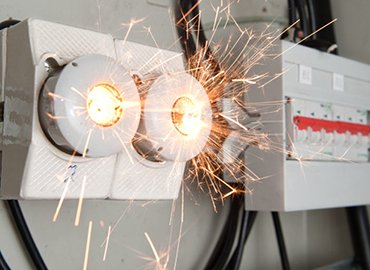
You reset the breaker, but it trips again right away. This isn’t just an inconvenience. It’s a clear sign that something in your electrical system isn’t working as it should. Each time it trips, it’s responding to a potential fault. A breaker’s job is to
A circuit breaker's function is to protect your electrical circuit from damage. It interrupts power when the current exceeds safe limits, which can occur due to overload, short circuit, or faulty wiring. Ignoring repeated tripping can lead to serious electrical hazards.
Therefore, it is essential to identify the underlying cause of the tripping. The issue may originate from connected devices or internal wiring. To resolve it, a clear diagnostic procedure must be followed. This approach eliminates further risks and restores stable operation.
What Is a Circuit Breaker?
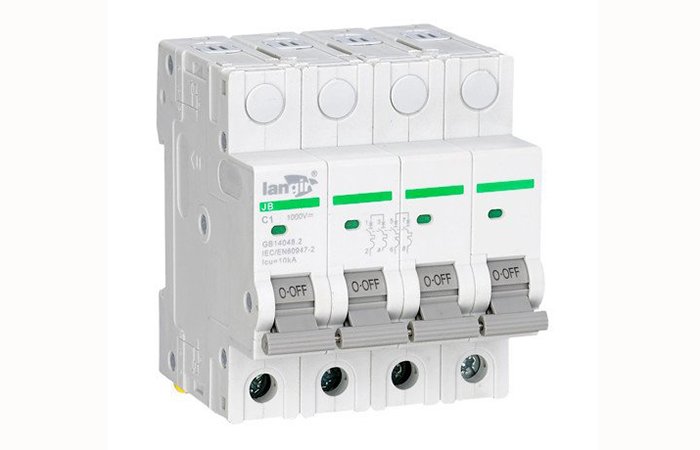
You rely on a circuit breaker to halt dangerous current flow. It serves as a safety device, opening the electrical path when faults occur. When an anomaly is detected, it breaks the connection and instantly protects your system.
Unlike a fuse, a breaker does not require replacement after a fault. It can be reset and power restored once the issue is resolved. This characteristic makes circuit breakers ideal for both residential and industrial settings.
Inside the breaker, either thermal or magnetic trip mechanisms are present. Thermal trips respond to overloads caused by sustained high current, while magnetic trips react to sudden surges, such as those from a short circuit. Each component plays a role in detecting faults and interrupting the circuit before damage occurs.
Common Reasons a Circuit Breaker Trips
Without identifying the cause, the problem cannot be fixed. A tripped breaker always indicates electrical stress. Determining the root cause helps prevent future issues and system damage.
Your circuit can be overloaded or disrupted by various faults, including wiring errors and appliance failures. The five most common causes of tripping are listed below.
Overloaded Circuits
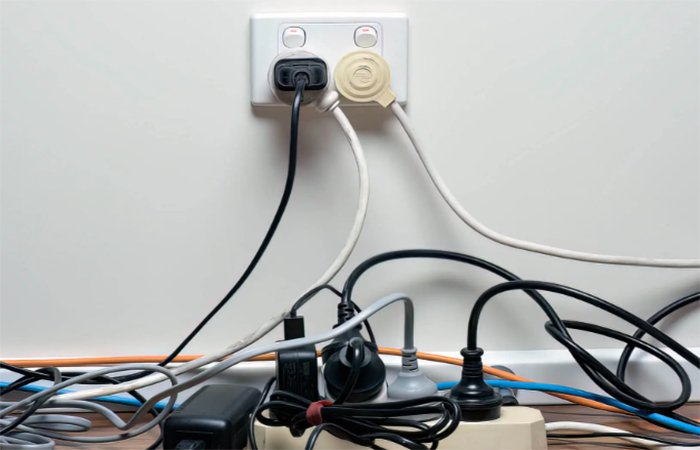
Plugging in a load that exceeds the circuit's rated amperage causes an overload. This increases wire temperature and triggers the breaker. This often occurs at busy outlets or power strips.
Demand increases when multiple devices are connected to a single circuit. For example, if a 16-amp breaker is subjected to a 20-amp load, it will trip. The load must be reduced or devices moved to another circuit.
Older wiring often struggles with modern high-power appliances. Continuously adding new loads will cause repeated tripping. The total current must not exceed the breaker's capacity.
Short Circuits
The most severe fault is a short circuit. This occurs when a live wire contacts a neutral wire or another live wire, resulting in an extreme, uncontrolled current surge far above permissible levels.
There may be a popping sound, sparks, or a burning smell. At that moment, the breaker activates and cuts off power, preventing wires from overheating or burning.
A thorough inspection is required to locate a short circuit. Check outlets, switch terminals, and frayed insulation. Any exposed wire can create a direct high-current path.
Ground Faults
A ground fault occurs when current leaks to the ground instead of returning through the neutral wire. This is common in damp areas such as bathrooms or outdoor installations.
However, this fault differs from a short circuit. Here, current flows into metal objects or grounded surfaces. It is hazardous as it may pass through a person in contact with the path.
You need a GFCI breaker to quickly detect such faults. It senses the imbalance and interrupts power within milliseconds, preventing shocks, burns, or fatal injuries.
Arc Faults
Loose connections can generate high-energy sparks. This results from broken wires, frayed cords, or corroded terminals. Though not always visible or audible, it is a dangerous fire hazard.
Symptoms may include flickering lights or burning odors. Even at low current, it can heat the wire, potentially igniting surrounding insulation or materials over time.
This specific pattern is detected by Arc Fault Circuit Interrupters (AFCIs). They intervene before overheating occurs. If your breaker trips regularly without overload, an arc fault may be the cause.
Overheating Appliance
Faulty appliances can cause breakers to trip. Internal wiring failures or excessive motor current draw lead to overheating, which the breaker senses, opening the circuit.
The breaker may trip only when that particular appliance is operating. Test by plugging it into a different circuit. If tripping persists, the appliance is likely faulty.
Disconnect the device and inspect it for damage. Common culprits include space heaters, microwaves, and compressors. The only reliable solution is to repair or replace them.
Signs That Indicate a Tripping Circuit Breaker
Warning signs can appear before a complete shutdown. Recognizing these symptoms enables timely action, reducing the risk of system damage or failure.
Frequent Power Loss in Certain Areas
Frequent light flickering or device resets may occur. These interruptions often affect a specific room or outlet zone, indicating breaker tripping under normal load conditions.
This suggests either overload or damaged wiring. If the problem recurs, the circuit cannot handle the demand. Reduce the load or locate the fault.
Buzzing or Burning Smell
A buzzing sound from the panel indicates internal arcing. Left unchecked, it can burn terminals. A smell of melting insulation or plastic may also be present.
These are alarming signs of overheating and poor connections. Turn off power and inspect wiring. A professional assessment is recommended for safety.
Physical Signs on the Breaker Panel
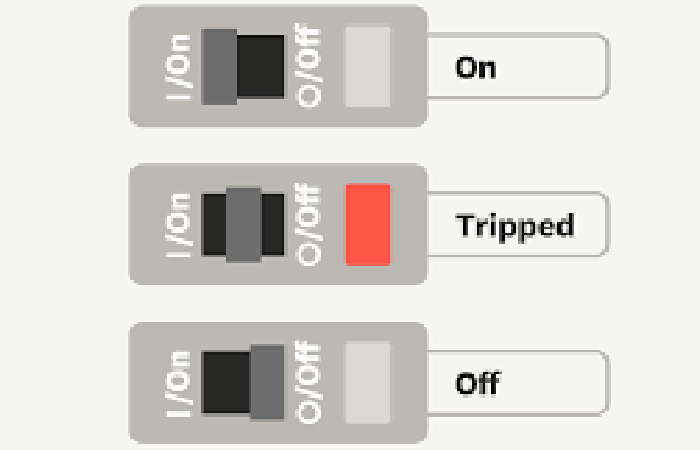
Brown discoloration or hot surfaces on the breaker may be visible. The switch may feel loose, stiff, or fail to reset, indicating mechanical or thermal failure.
Sometimes the panel cover feels warm to the touch, suggesting poor contact or internal heating. A breaker showing such symptoms should be replaced immediately.
How to Troubleshoot a Tripping Circuit Breaker?
A logical fault-finding methodology must be followed. Random resets do not provide a long-term solution. A systematic inspection ensures damage prevention and stable restoration.
Step-by-Step Diagnostic Process
First, turn off all devices on the affected circuit. Reset the breaker and observe. If it trips again, the wiring is likely at fault.
If it stays on, unplug devices one by one to identify the cause. The culprit may have an internal short or overload.
Visually inspect all outlets and switches. Discoloration or poor fit indicates hidden issues. Any damage here can lead to repeated tripping.
Tools You May Need
Use a multimeter to check voltage and continuity. This helps identify shorted wires or failed terminals. An infrared thermometer can detect overheating points.
A circuit tester assists in outlet inspection, revealing reversed wiring or grounding issues. Keep insulated screwdrivers and wire strippers on hand safely.
If arc faults are suspected, use an AFCI tester to simulate arc patterns and check breaker response. Wear insulated gloves when performing live tests.
When to Reset and When Not To
After removing the load, you can reset the breaker. If the cause was minor, it will remain on. If it trips again immediately, leave it off.
Never reset burning-smelling or hot breakers. That indicates internal destruction or defective wiring. Forcing resets may create an injury or exacerbate the fault.
Check the entire circuit path, then reset. In case of uncertainty, a licensed technician should be consulted in the first place. Restorations of power always take a second to ensure safety.
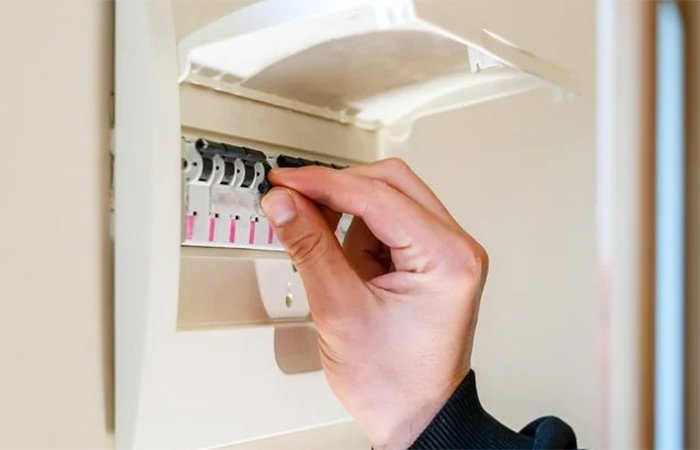
Preventive Tips to Avoid Future Trips
Proper planning will help you mitigate the number of breaker trips. Precautionary measures save your system and make it last longer. These are practices to keep power stable.
Tip 01: Avoid Overloading Circuits
Divide high-power loads in two or more outlets. Avoid running space heaters, microwaves, and air conditioners simultaneously. A load is created by each device, which strains the circuit.
Make sure you know the amperage rating of your breaker before connecting your tools. When your devices are more than that, then add another circuit. This minimizes heat accumulation and spontaneous trip-outs.
Label the circuits and follow them to the loads connected. Distinctive labelling prevents any unintentional overuse. It also accelerates troubleshooting later.
Tip 02: Regular Maintenance Checks
Inspect the breaker panels to see the heat or rust, or loose wires. Tiny faults increase when they are not indicated. This is done through monthly checks to prevent downfalls.
Make sure not to leave any terminal screw loose, and clear up the dust deposits. Dust may cause arc faults over time. Check the insulation to see cracks or melt marks.
Hire a technician for yearly inspection cycles. They can test panel safety and trip thresholds. Major costs of repair are avoided.
Tip 03: Invest in Surge Protectors
Apply surge protectors to the computers, routers, and TVs. A sudden increase in voltage overloads breakers and destroys equipment. An excess is soaked by a protector.
Put up a panel-mounted surge unit in the case of an industrial location. It protects the total system against outside surges. This is essential in lightning-prone areas.
Surge protection also decreases the trip rate with time. It serves as a protective covering for random faults. Your equipment and circuit are safeguarded by you.
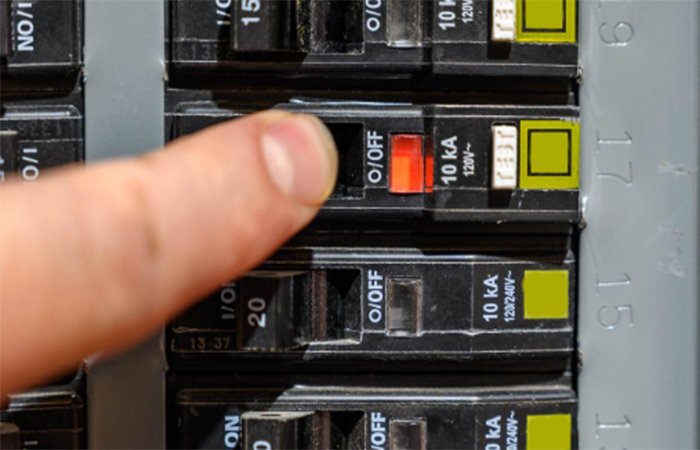
Final Verdict
You’ve now seen why a circuit breaker keeps tripping. Each trip points to a real electrical issue, whether it’s an overload, a short, or a faulty device. The knowledge of these causes helps you respond safely and prevent damage.
By learning to spot early warning signs, you can reduce major risks. With the right diagnostic steps and regular maintenance, you can keep your system running safely and efficiently. Always follow best practices, and when in doubt, consult a qualified professional.
A circuit breaker is not just a switch; it’s a safety mechanism. Respect its role, monitor your load, and take action early. That’s how you maintain a stable, reliable electrical setup in the long run.
FAQ
Q1. Can I use a higher-rated breaker to stop trips?
No, you should never install a higher-rated breaker. Because it can bypass safety limits and risk overheating your wires. So, always match the breaker to the wire gauge and load.
Q2. How often should I check my breaker panel?
You should inspect it every 3 to 6 months. Always look for signs of rust, heat, and loose connections. Regular checks help avoid future trips and reduce system downtime.
Q3. Is a tripping breaker always a serious problem?
Yes, it usually signals an underlying electrical issue. It may be an overload, short, or a failing appliance. Ignoring it can lead to equipment damage and may cause failure.
Q4. Can one faulty device cause constant trips?
Yes, even one damaged plug or wire can lead to trips. A faulty motor, exposed cable, or internal short can overload the circuit instantly. Thus, remove and test each device individually.
 Russia
 English