
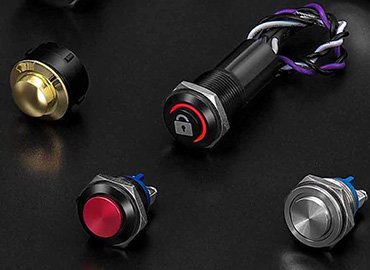
When selecting a switch, you cannot rely on guesswork. Every switch in your system controls a critical function. Whether it operates a motor, relay, or signal path, the choice plays a vital role.
In industrial environments, an incorrect switch leads to downtime. You will face system faults, overheating, and electrical damage. These failures incur costs beyond just repairs.
Losses due to switch failures are not uncommon in industry today. Studies indicate that equipment failures account for 42% of plant downtime. This is why selecting the right switch is a strategic decision. This guide will walk you through key steps to consider before choosing the appropriate switch for your project.
What Is a Switch and Why Is It Important?
A switch is typically used to start or stop the flow of electricity. It either allows current to pass or blocks it. Every machine, control panel, or tool relies on this control. Without a switch, your system loses its command center, making switches essential for safe and timed operations.
A switch does more than just transfer current; it manages the system's workflow. It determines the start or end of your process. Delays in switch operation can cause you to miss targets, leading to delays in downstream systems and output.
When an incorrect switch fails, your operations can halt instantly. You waste time, impacting overall system efficiency. A minor malfunction can stop an entire production line.
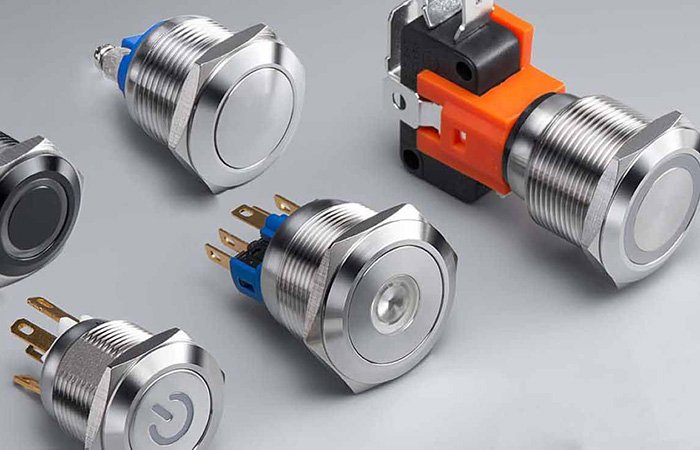
Types of Switches and Their Optimal Applications
Different switches serve different industrial needs and functions. One type cannot be used for every application. Each switch style is suited to specific operating conditions and actions. Choosing the wrong one introduces risk and inefficiency.
Toggle Switches
Toggle switches provide direct mechanical control. You can use them to enable or disable current flow. They are suitable for dusty and rugged industrial environments.
Push Button Switches
Push-button switches are designed for momentary activation. They return to their original state when released. They are appropriate for start, stop, and reset controls. Select them to achieve quick and safe machine cycling. switch button push Rotary switches allow you to select a function by turning a knob. They are commonly used in multi-position and multi-speed drive applications.
Rotary Switches
Rocker switches offer simple on/off control. Pressing one side changes the state, and pressing the opposite side resets it. They are suitable for compact panels and light machinery. When space is limited and quick response is needed, rocker switches are the preferred choice. HVAC You must match the switch to the actual application requirements. Ignoring key factors will reduce switch lifespan and performance.
Rocker Switches
You must precisely define what the switch will control. Will it start/stop, or switch between modes? The function determines the type and wiring requirements. Select a switch that aligns with your system's purpose.
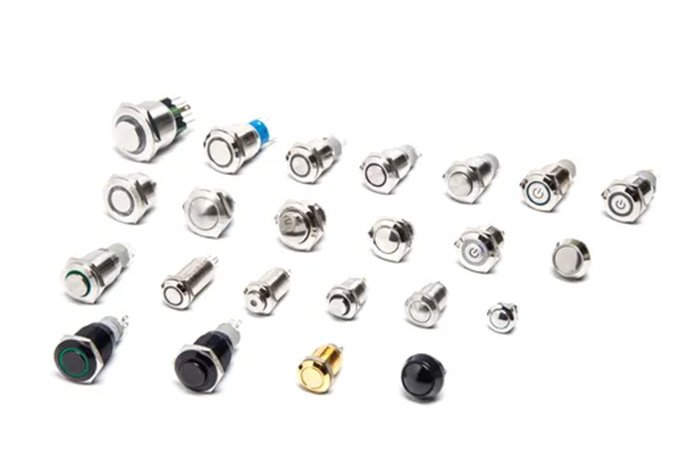
Key Factors to Consider When Selecting a Switch
Overheating or failure occurs when the load rating is exceeded. Never assume the load rating; always verify equipment specifications. Select a switch with a safety margin of 20-30% above the expected load. switch Frequent use demands a high-cycle, durable construction. Standard switches wear out quickly under high-frequency operation. Choose a switch with a long mechanical life.
Switch Function
You must comply with both local and international electrical standards. Always look for UL, CE, or IEC markings. Certified switches minimize fire and shock hazards. Non-certified components should never be installed in industrial systems.
Power Load
Selecting the right switch requires more than quick guesses. A detailed approach ensures long-term safety and system performance. Follow these steps to build reliability from the outset.
Operating Frequency
First, clearly identify the control function the switch must perform. Is it for motor starting, logic switching, or safety? This determines the switch type. When considering the task, always conceptualize the appropriate functional implementation.
Safety Standards
Voltage and current measurements should be based on actual machine data. Never make assumptions. Account for load spikes in your decisions. Exceeding limits will cause the switch to overheat or fail. Always incorporate a 25% safety margin to protect against potential overloads. UL, You must consider temperature, moisture, and dust levels. Harsh environments require sealed or ruggedized switches with appropriate IP ratings. Matching the switch to the environment extends service life and reduces failures.

Step-by-Step Switch Selection Process
Ensure all switches are.
Step 1: Define the Switch's Core Operating Function
UL, CE, or IEC certified.
Step 2: Calculate Actual Power Load Conditions
Non-compliant switches increase the risks of fire, electric shock, and liability. Always request datasheets and certification documents before procurement.
Step 3: Consider the Exposure to the Surrounding Environment
Can your team replace the switch without disassembling the system? If not, expect prolonged maintenance delays during failures. Opt for front-access or tool-free designs when possible. Design choices should simplify on-site servicing.
Step 4: Verify Compliance with Industry Safety Standards
Test sample units in a real-time operating environment. Monitor their behavior under full load and cyclic conditions. Check for overheating, lag, wear, or delayed response. Field testing provides confidence in your final switch selection. Choosing the right switch is not merely a technical task. You must match the switch to the. load, function, and environment.
Step 5: Assess Serviceability and Ease of Replacement
An incorrect choice can lead to delays, failures, and accidents. You protect your systems by following a structured selection process. The right switch ensures your operations run smoothly day after day.
Step 6: Simulate Application Behavior Before Final Approval
Q1: How do I determine which switch type to choose?.
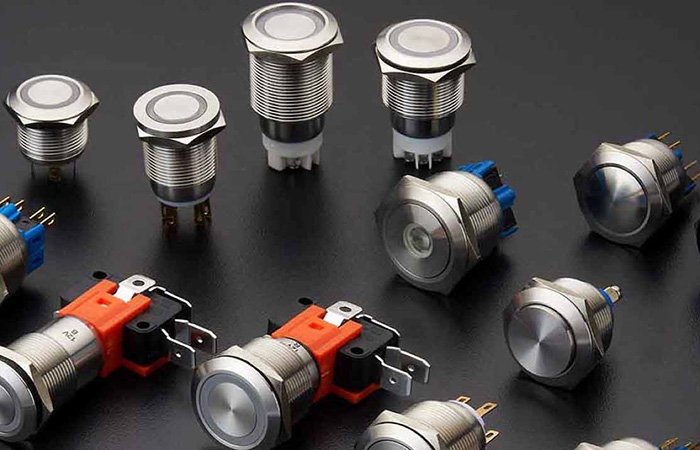
Summary
You must first define the switch's function and usage pattern. Base your selection on control requirements, panel layout, and operating frequency. Q2: What happens if I exceed the switch's load rating?. Overloading causes overheating, contact damage, and premature failure. Always match your switch to the actual load conditions with an appropriate safety margin.
FAQ’s
Q3: Do environmental conditions affect switch performance?
Yes, dust, heat, and moisture can significantly reduce switch lifespan. Therefore, use sealed or appropriately rated switches in harsh environments to prevent problems.
Q4: Why is certification important for industrial switches?
Certified switches adhere to established safety regulations and quality benchmarks. Always verify UL, CE, or IEC approval before installation.
figure 4
Yes, dust, heat, and moisture reduce switch lifespan. So, use sealed or rated switches in harsh environments to avoid issues.
Q4: Why is certification important for industrial switches?
Certified switches follow safety rules and quality benchmarks. Always look for UL, CE, or IEC approval before installation.
 Russia
 English