
Introduction
Every system, whether online or offline, requires a systematic controller capable of supervising and blocking the entire setup within seconds. A switch is the fundamental entity of a system, known by different names but serving the same function—to control the circuit.
A switch makes or breaks the connection between the terminals and controls the electrical supply in the circuit. Do you want to know more? This guide will shed light on the switch, its working mechanism, and its benefits!
What Is A Switch?
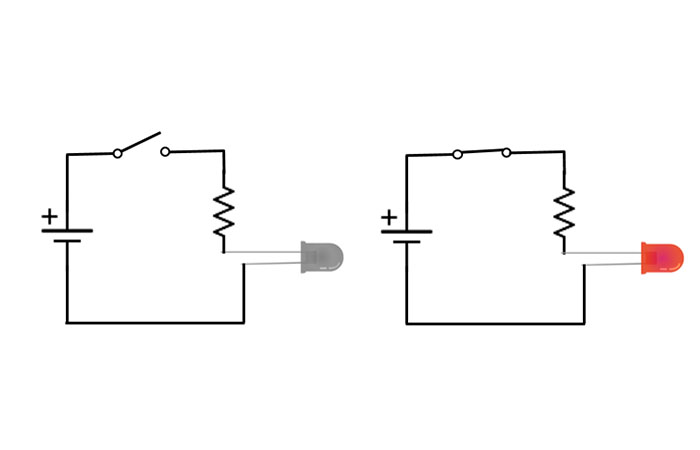
A switch is an electromechanical or electronic device that turns off the circuit current when open and turns it on when it is closed. It connects the positive and negative terminals of an electrode and makes the circuit complete to let the current flow.
How Does A Switch Work?
A switch has two positions. If the circuit is open, there is no current flowing through the terminals. If the circuit is closed, current flows through the system. Turning on or off depends on the circuit control mechanism.
Types of A Switch
Mechanical Switches
Mechanical switches require a mechanical force or tactile sensation to respond to the request. It can be either a toggle or a touch mechanism to turn on/off such switches.
There are a few types of switches mentioned here.
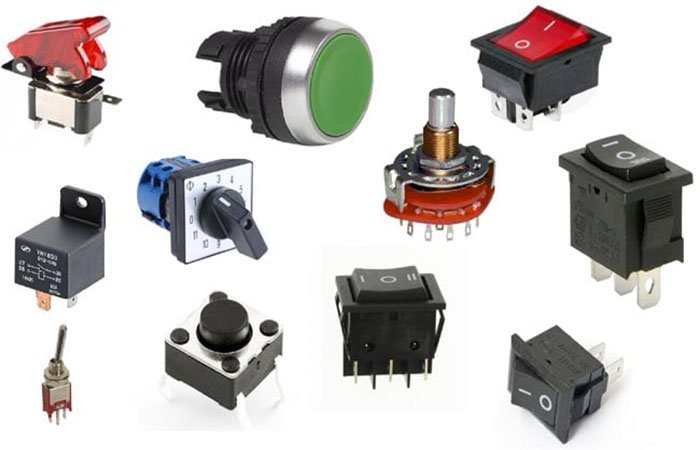
- Push button switch: The name is sufficient to describe such switches, as they have a push button. Pressing the button can either turn the switch off/on.
- Rotary switch: The mechanism is different, while the goal is circuit control. This switch has a rotary button that initiates the response based on your rotation. Depending on the rotation, it can either turn on/off the switch.
- Toggle switch: The Toggle switch has a handle or lever. Moving it upward or downward can make the circuit closed or open, leading to the relevant response to the electrical flow.
- Slide switch: A sliding motion of the switch can also cause the circuit to open or close. It gives a response in all conditions.
- Rocker switch: The rocker switch is the same as the toggle, except the switch tilts back and forth to control the electrical flow. Turn on/off is already mentioned on the button.
- Piezoelectric switch : Mechanical pressure or touch can generate a change in the electrical charge and cause the piezoelectric effect. Such switches respond to the request and get turned on or off accordingly.
- Capacitive Switch: Bringing a finger close to the switch can cause a change in capacitance and response from the capacitive switches. These switches are ideally part of touch-sensitive displays.
Electronic Switches
Unlike the mechanical switches, electronic switches rely more on the electrical properties of the components. There are three main types of electronic switches.
- Transistors: Transistors are typical switches with an on and off mechanism. The voltage limit controls the transistor’s response. For example, it cuts off the supply when the voltage reaches a lower threshold and vice versa.
- Thyristors: Thyristors often operate in two modes— on and off. But they remain activated until the voltage drop occurs or a current threshold is crossed, causing the block.
- Solid state relays: SSRs can function for both AC and DC and respond to the request based on the power type. They are effective in electronic devices.
Pros and Cons of A switch
There are a few advantages and disadvantages of the switches. These include:
Pros
- Plug-and-play. Switches are easy to use. One press or touch can make the difference in the current.
- Energy efficient. Proper control can avoid the wastage of energy.
- Safe operation. There is no direct contact between the devices or switches. Therefore, a safe flow of current can provide ultimate safety.
- Highly reliable in extreme environments. Quality construction of switches can provide quality control in extreme environments. There are fewer chances of wear with effective compatibility.
- Available in different forms. Switches are available in a variety of shapes and sizes.
Cons
- Mechanical wear. Low-quality components or installation without proper inspection can damage the switches. They fail in the long run.
- Sparks cause circuit failures. Incompatible ratings or sudden high voltage sparks can cause burns and fail the circuit. They can even damage the electrical equipment.
Common Applications of Switches
Switches are typically used in a variety of applications, such as:
Home Appliances
Many home appliances use switches to control the current. Common examples are light switches, washing machine cycle selectors and microwave start buttons.
Automobiles
The automobile industry uses switches to control various features, such as ignition, window controls, indicator lights, wipers, and internal electronics. There can be both mechanical and electrical switches.
Industrial Control Systems
Industrial setup also uses switches in motors, pumps, conveyor belts, and emergency shut-offs. It can help control all the heavy-duty machines efficiently.
Electronics and Circuit Boards
Electronic devices deploy electronic switches and respond to the voltage and current control through the system.
IT and Networking (Network Switches)
Network switches are famous in the IT industry. They can manage traffic and transfer data packets from one device to another.

Malfunctions & Hazards
There are a few malfunctions and hazards that are potentially damaging to your devices.
Common Malfunctions
- Failing to close/open. Worn contacts can cause failures. So, inspect thoroughly to evaluate and treat the issue.
- Separation issues. If the actuator is damaged, separation issues occur. Specifically, the rotary actuator doesn’t come back to its place once damaged.
- Failure to trip (circuit breakers). Internal damage to the circuit breaker prevents it from turning off the supply in case of an electrical surge.
- Ground faults. Poor insulation causes the current to follow an abnormal and unintended route. This can also cause fire and damage to equipment.
- Sparking. Improperly rated devices and switches can cause high current sparks between the contacts. It damages the components.
- Overheating. Excessive current for more extended periods can cause overheating and burn of the insulation. It can also damage internal components.
- Short circuits.. Internal and external current failures can cause a short circuit and damage to the electrical devices.
Hazards
- Fire from sparking or overload. If you supply power beyond the rated limits, the switches can spark and cause burnout.
- Equipment damage.. Sudden surges in current and voltage cause damage to the equipment. Therefore, rating matters to avoid equipment damage.
FAQs
1. What’s the difference between a switch and a relay?
A switch controls current flow and is often worked manually. On the other hand, a relay depends on the voltage or current and controls the high-power devices with a low-power signal.
2. Can a switch handle both AC and DC voltage?
Not all switches are rated for both the AC and DC voltage. Check the manufacturer’s product specifications to understand whether it is rated for both AC and DC, or only DC.
3. What does «debouncing» mean in switches?
A mechanical switch actuation can cause the rapid current bouncing. Debouncing removes this false actuation and provides a clean signal. In electronic switches, software controls this process.
4. How long do switches last?
Mechanical switches are prone to environmental damage and often last 10,000 to 1 million cycles. However, electronic switches can provide billions of cycles at the rated power.
Conclusion
Switches are necessary components of household or commercial areas. They can facilitate the control with the touch system or provide the AC/DC power access.
Though they are simple in design, they play a necessary role in electrical and electronic devices!
 Russia
 English