
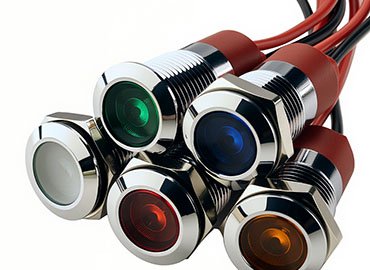
Indicator lights are used to display system processing, faults, and functionality. From household appliances to small machinery, they all feature an indicator light to show system issues and operational status.
These indicator lamps have different colors for different features. For example, a red light means failure.
Do you want to know all the other color codes for light indicator and how they work here? Today we will learn about indicator light color codes and what they mean.
What is An Indicator Light Color Code?
An indicator light color code is a universal standard for the color coding of indicator lights based on system performance. Many organizations such as ISO (International Organization for Standardization), ANSI (American National Standards Institute) and IEC (International Electrotechnical Commission) have defined the rules for these colors and provided a safe guide for the system.
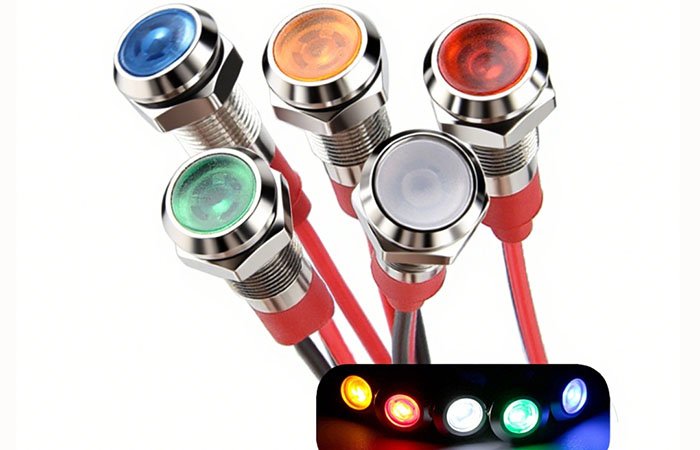
Indicator Light Standards, Colors, and Their Meanings
There are six prominent colors with different meanings in electronic applications.
Red
Red means danger or an emergency. It shows signal machine faults, high-risk hazards, or emergency shutdowns. Operators should act immediately when the red light is on.
Green
Green shows the normal function of a machine or tool. Whenever a green light appears, you should consider the regular operations of your vehicles and understand that there is no failure.
Blue
Blue light is often seen in the healthcare industry and is a powerful indicator for mandatory action, operator attention required, or special conditions. Operators have to perform a specific task in such cases.
Yellow
Yellow shows the caution or abnormal condition. It is a warning that doesn’t require immediate action, but needs to be dealt with ASAP! It often warns of overheating, maintenance needs, or system delays.
White
White is also an essential color with a strong meaning. It turns on when a process is completed successfully and indicates the system’s regular functioning.
Orange
Orange often shows the transitional state in the industrialized state. It is not an emergency, but the operator needs attention to resolve the issues.
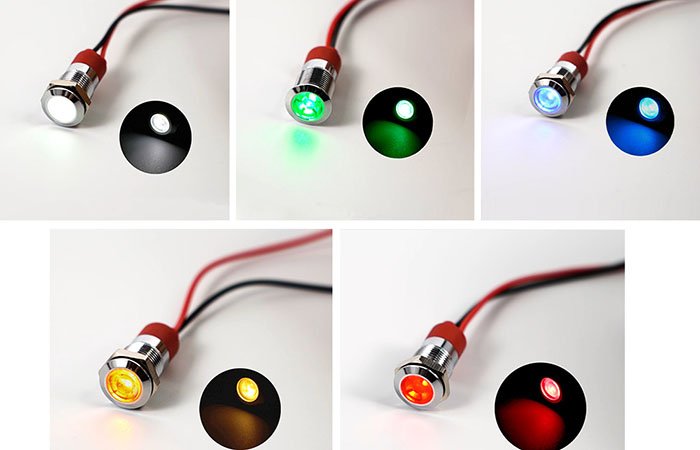
Steps to Apply Indicator Light Color Standards Effectively
Before you apply the color standards and specify your colors, it is essential to understand the applications. Here are a few steps.
Step 1: Identify the Environment
In what environment or industry do you want to deploy your indication light? The healthcare industry is different from the electrical panels and requires a different range of colors to indicate the system issues.
Step 2: Select Appropriate Standards
Which one are you following? A local standard is also a good choice if you have unique color coding and a color that matches the ISO, for example, red stands for the regional and ISO standards emergency. However, you can also use the international standards to indicate the system.
Step 3: Match Indicator Colors
Each color has a universal message in almost all the industries. Red for emergencies, green for normal operation, and yellow for warnings. You should never change their meanings as it can confuse operators, employees, or engineers.
Step 4: Ensure Consistency
Whatever color has a message, it should be the same across all your devices and operations. It avoids the confusion and provides a consistent and easy-to-understand system.
Step 5: Train Employees and Users on Color Codes
You should give a clear-cut message about the colors to the employees. Train them to act immediately once the red light appears, or go for the critical situation in the yellow light cases.
Step 6: Regularly Review and Update
Standards and color evolve. You have to adopt changes and accept newer standards to produce an impact. Consider upading your old systems and bringing newer solutions with accurate color messages that should be universal across all your systems.
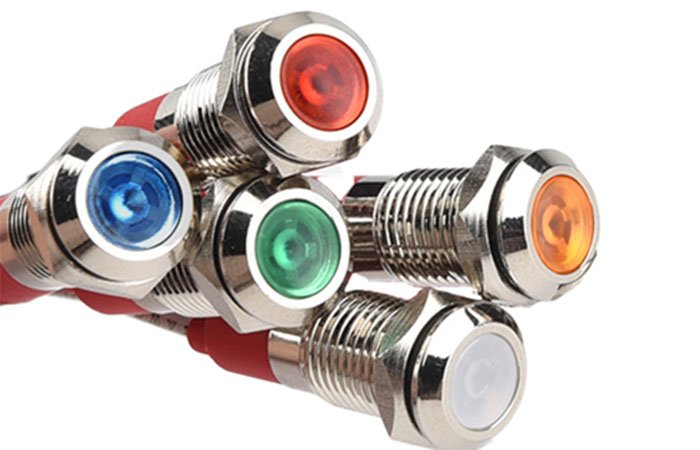
Best Practices for Using Indicator Light Color Standards
If you are confused about the color standards, we have added the top-class tips to implement the color standards.
Maintain Uniformity Across All Processes.
Since you might have a range of operating systems in a factory or healthcare setup. All your equipment and machines should have the universal meanings of the colors.
Avoid Too Many Colors.
Red, green, and yellow are some of the most used colors. Using more than six colors is typically problematic, as employees and users can’t even remember the colors.
Consider Visibility and Lighting.
Daylight can blur out the brightness of the color messages. Therefore, you should test different lighting conditions and consider the visibility of the indicator lights. High brightness is good for the daylight and low brightness for the nighttime.
Use Supplementary Symbols
In addition to using the color lights, you should consider the supplementary symbols, such as texts, icons, and other symbols. It is good for color blind people to recognize easily and respond immediately.
Conduct Audits
Misuse of the colors and equipment is equally problematic. Don’t be shy and go ahead with the audits. Check how colors are used in the industry and modify them in case of errors.
FAQs
1. How much voltage is required to turn on indicator lights?
Indicator lights require low voltage to operate. Usually, 12V, 24V, or 110V is sufficient to operate an indicator light, but it depends on the system design.
2. Do indicator color standards vary by industry?
Yes. Universal meanings of the color indicator are the same but vary in color in different industries and applications.
3. How do ISO and ANSI standards differ in color coding?
ISO is a global standard and focuses on the universal color coding of the indicator lights. While ANSI is in the US workplace and can differ in colors.
4. Can indicator colors be customized for specific companies?
Yes. Companies can customize the colors but should stick to international standards for better color depiction. For example, red should always indicate danger or an emergency.
Conclusion
Always focus on the international standards when using the indicator lamps in your system. General perception of the colors should remain the same and guide any new user to rapidly understand the purpose of each color in the industrial settings.
 Russia
 English