
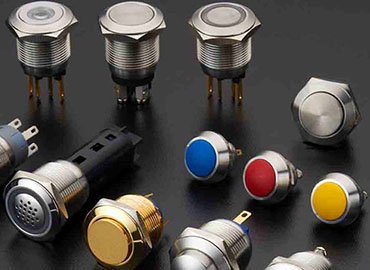
Push button switches are ideal components for household and commercial electronic systems. From operating machinery to powering home devices, these switches play a crucial on/off role.
However, they come in various constructions and configurations. The two most common types are metal and plastic push button switches.
We will compare both metallic and plastic push button switches to determine which is suitable for your specific conditions.
What Is a Metal Push Button Switch?
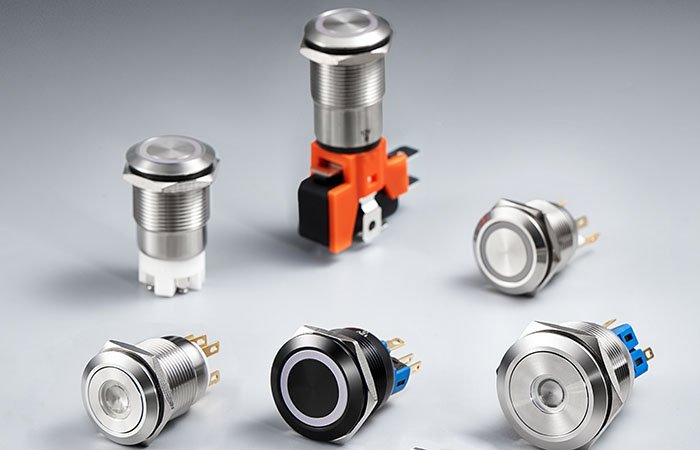
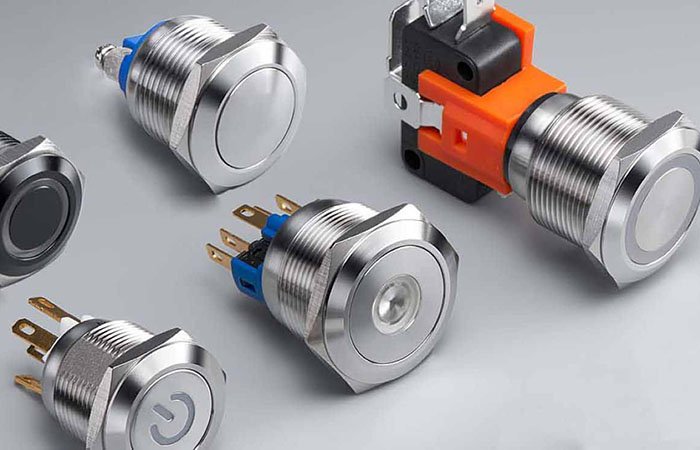
A Metal push button switch refers to the metallic construction of the switch. Commonly used materials include stainless steel, aluminum, or zinc alloy.
They enhance durability and offer greater design flexibility. Such switches are used in industrial machinery, outdoor equipment, and automotive systems.
What Is a Plastic Push Button Switch?
Plastic push-button switches are popular in the electronics industry. They are typically made of thermoplastic materials such as ABS, polycarbonate, or nylon, providing reliable construction.
These switches are used in home appliances, electronics, and light industrial control systems. Due to their electrical insulation properties, they are highly useful across various industries.
Metal vs Plastic Push Button Switch: Key Differences
Metal and plastic push-button switches have several key differences. Let’s explore them.
Durability and Strength
Durability is a major consideration when installing switches in harsh environmental conditions. Metal push buttons possess the necessary strength and can withstand extreme temperatures or high humidity. They have a longer lifespan and resist environmental changes.
While plastic push buttons are durable, they may not withstand high pressure; extreme temperatures can also affect their integrity and cause damage.
Aesthetic Appeal and Finish
Aesthetic appeal is sometimes important to consumers. Metal push button switches are ideal for designs requiring a premium look and high-quality finish. They appear shinier and offer a sophisticated appearance with various design options.
On the other hand, plastic looks good but lacks a classic appeal. However, due to molding and flexibility, it provides a wider range of options and designs.
Resistance to Environmental Conditions
Metal push-button switches outperform plastic ones in challenging environmental conditions. They resist rust in humid environments and are more compatible with temperature fluctuations. Metal buttons are ideal for variable environments.
Plastic push button switches are best suited for indoor conditions. They offer flexibility for home use with better cost-effectiveness and quality. However, exposure to UV rays or high temperatures can quickly degrade their quality.
Cost and Affordability
Metal push-button switches are durable and offer a comprehensive range of features. However, they are more expensive compared to plastic switches.
Plastic switches have a lower cost due to their ABS or nylon raw materials. They are more affordable and provide sufficient durability for indoor applications.
Weight and Portability
Metal switches are heavier due to their metallic construction. If portability is a concern, metal switches are still portable, but they weigh more compared to plastic switches of the same category.
Plastic switches are flexible and compact in structure due to their molded and elastic nature. Naturally, they are lightweight and preferred for portable applications. They also occupy less space.
Electrical Insulation Properties
Metal switches are natural conductors of electricity. They transmit power from one point to another. If insulation is required, it must be added inside the metal housing.
In contrast, plastic is an insulator and offers better protection. It reduces the risk of electrical accidents and keeps the system safe.
Maintenance Requirements
Metal switches require less maintenance due to the resilience of their materials. Occasional cleaning is sufficient to ensure decades of operation.
Plastic buttons require regular repair and maintenance; sometimes, they may need replacement.
| Feature | Metal Push Button Switch | Plastic Push Button Switch |
| Durability and Strength | Extremely durable; resistant to impacts, temperature, and moisture. | Less durable; may deform under heat or pressure. |
| Aesthetic Appeal and Finish | Premium appearance; shiny and professional finish. | Good appearance but lacks metallic elegance. |
| Resistance to Environmental Conditions | Resistant to rust, vibration, and harsh weather. | Best for indoor use; UV and heat can damage it. |
| Cost and Affordability | Higher cost but long-term value. | Budget-friendly and widely available. |
| Weight and Portability | Heavier due to metal construction. | Lightweight and easy to install. |
| Electrical Insulation Properties | Requires insulation; conducts electricity. | Naturally insulating; safe for electrical use. |
| Maintenance Requirements | Low maintenance; durable surface. | Requires more care and replacements over time. |
| Ideal Application | Industrial, outdoor, or harsh environments. | Indoor, light-duty, or cost-sensitive projects. |
Which One Should You Choose?
Selecting the right push button switch depends on a range of applications. Here are a few scenarios.
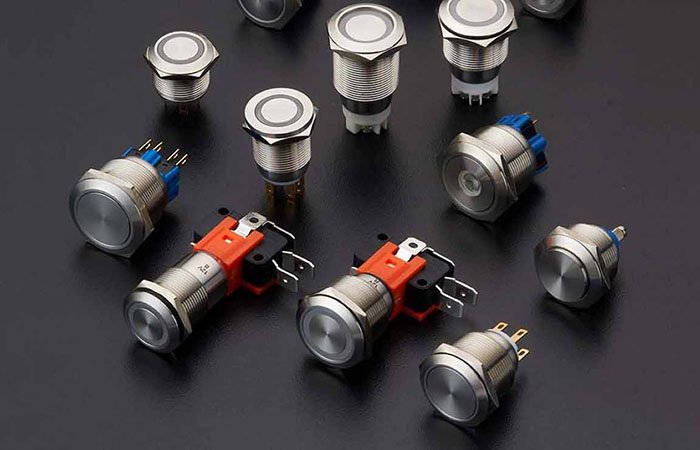
Choose metal push button switches if you:
- Need a durable and long-lasting switch for industrial and outdoor use.
- Value aesthetics and require a professional, sleek design.
- The environment involves moisture, dust, or vibration.
Choose plastic push button switches if:
- Working with budget-sensitive projects.
- The switch will be used indoors or in low-impact conditions.
- Need lightweight or color-coded switches for quick identification.
Frequently Asked Questions
1. Are metal buttons better than plastic?
It depends on the situation. If you are looking for durability and strength, undoubtedly, metal buttons are far better. For simple applications, you should consider plastic push buttons because they are cost-effective.
2. Do metal buttons rust?
If your metallic push button is purely iron, then it rusts due to oxidation. However, stainless steel or aluminum construction protects better against rust and corrosion.
3. Can a plastic push button age over time?
Yes. Prolonged exposure to UV light or extreme temperatures can age plastic push buttons. However, proper temperature and maintenance are safer.
4. Are plastic push-button switches safe for industrial applications?
You can use the plastic button switches only in a few low-stress conditions. For extreme conditions, your primary choice should always be the metallic push button switches.
Conclusion
Choosing between the plastic and metallic push button switches can sometimes be confusing. But don’t worry, an ideal choice is to understand the usage and grab the relevant push button switches. For stress conditions, go for metal, while low-stress conditions make plastic push button switches more affordable choices.
 Russia
 English