



Автоматический выключатель постоянного тока Langir для решения проблемы подключения солнечных батарей.
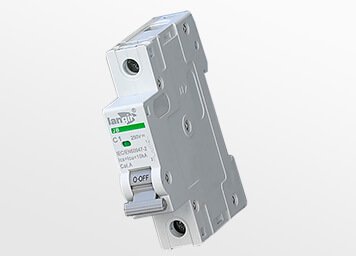
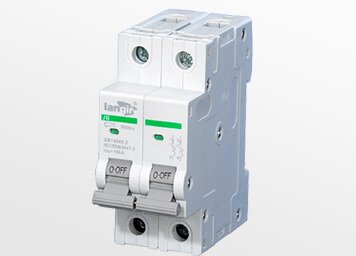
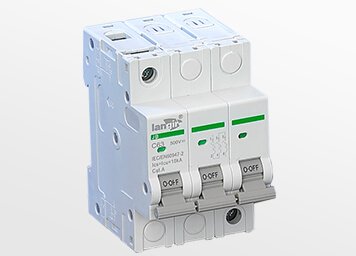
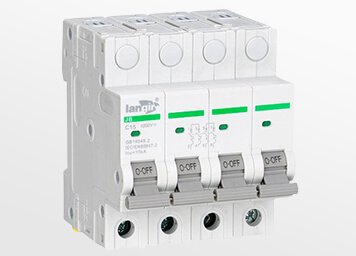
Высококачественные материалы для ваших автоматических выключателей постоянного тока!
- Прочная литая изоляционная оболочка
- Механизм быстрого включения или выключения с помощью рукоятки
- Электромеханический или электронный компонент отключения
- Тип JB, предназначенный для многоканальных фотоэлектрических установок
- Дополнительная защита цепей постоянного тока от перегрузок и короткого замыкания
Автоматический выключатель постоянного тока Langir: сверхнадежная работа 24/7
Автоматический выключатель постоянного тока Langir — это очень надежный выключатель, которому вы можете полностью доверять.
Скачки напряжения, перегрузки, электрические неисправности и короткие замыкания — это лишь некоторые из проблем, с которыми мы сталкиваемся сегодня при работе с электрическим током. Без надлежащей защиты наши электроприборы могут сгореть или повредиться, и их ремонт, скорее всего, будет невозможен. Если вы владеете бизнесом, ваши активы могут оказаться под угрозой, и вы можете понести огромные финансовые потери.
Восторженные отзывы по всему миру



- Фабрика
- Команда



Команда
FAQ'S
The Langir’s DC circuit breakers are specially built to protect connected cables which are connected to your appliance or other electrical devices.
You can choose from 1 pole, 2 poles, 3 poles, and 4 poles DC circuit breaker types.
Langir’s DC circuit breakers have 1 amp, 2 amps, 3 amps, 4 amps, 6 amps, 10 amps, 16 amps, 20 amps, 25 amps, 32 amps, 40 amps, 50 amps, and 63 amps.
Yes, although Langir’s DC circuit breakers are built with high quality and precision, you will be provided with product liability insurance and a warranty of up to 365 days.
Langir delivers fast in just 2 to 3 days period after your order is confirmed but ensuring that your order or orders are received in good condition.

Автоматические выключатели постоянного тока Langir
Langir — ваш ведущий поставщик надежных автоматических выключателей постоянного тока из Китая.
Обладая многолетним опытом работы в отрасли, Langir является экспертом в области автоматических выключателей постоянного тока как для дома, так и для бизнеса.
Если вы ищете лучшего поставщика автоматических выключателей постоянного тока, Langir должен стать вашим первым выбором.
Langir предлагает однополюсные, двухполюсные, трехполюсные и четырехполюсные автоматические выключатели постоянного тока, что дает вам больше возможностей выбора.
Наши автоматические выключатели постоянного тока также имеют различные номинальные токи от 1 до 63 ампер и номинальное напряжение от 250 до 1000 вольт.
Простая установка с помощью защелок обеспечивает легкую и быструю установку, экономя время и средства на оплату услуг специалистов.
Автоматические выключатели постоянного тока Langir соответствуют стандартам TUV Rheinland и одобрены SAA.
Также соответствуют международным стандартам IEC 60947-2, EN60947-2 и GB 14048.2.
Наши автоматические выключатели постоянного тока широко используются в домах, на предприятиях, заводах, а также для защиты определенных электроприборов от коротких замыканий и перегрузок.
С нашими автоматическими выключателями постоянного тока вы можете быть уверены, что ваши приборы и другое подключенное к ним оборудование будут иметь длительный срок службы и сохранят свою оптимальную производительность на протяжении многих поколений.
Главная радость компании Langir — удовлетворять ваши потребности и поддерживать развитие вашего бизнеса.
Свяжитесь с нами для получения бесплатного предложения.
Автоматический выключатель постоянного тока – руководство по часто задаваемым вопросам
В нашем руководстве по автоматическим выключателям постоянного тока вы узнаете, что это такое, каково его удивительное предназначение и области применения.
Вы также узнаете часть его интересной истории, поскольку это руководство перенесет вас в прошлое, к важным событиям, которые привели к открытию автоматических выключателей постоянного тока.
Кроме того, это руководство предоставит вам важную информацию о сравнении автоматических выключателей постоянного тока, автоматических выключателей переменного тока, а также предохранителей.
Что еще более важно, вы узнаете о различных стандартных кодах, которые дадут вам глубокое понимание того, как регулирующие органы ставят вашу безопасность на первое место.
Вы также получите рекомендации о том, что нужно учитывать при выборе автоматических выключателей постоянного тока и об их преимуществах.
Поэтому, если вы планируете приобрести такой выключатель, сначала прочтите наше полезное руководство, которое мы подготовили специально для вас.
1. Что такое автоматический выключатель постоянного тока?
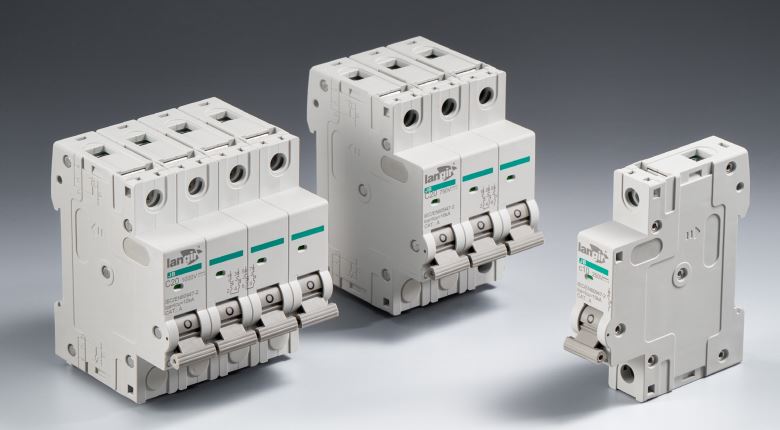
Автоматический выключатель постоянного тока
Автоматический выключатель постоянного тока — это работающий электрический переключатель, предназначенный для автоматического предотвращения повреждения электрической цепи из-за избыточного тока вследствие короткого замыкания или перегрузки.
DC означает постоянный ток, который определяется как электрический ток, протекающий только в одном направлении.
Он также известен как автоматический выключатель постоянного тока или автоматический выключатель для источников питания постоянного тока.
Его основная функция — прерывание потока тока после обнаружения неисправности в потоке тока; эта функция также называется OCPD (устройство защиты от перегрузки по току).
Автоматический выключатель постоянного тока срабатывает один раз и, как правило, должен быть сброшен, чтобы возобновить свою нормальную работу.
Автоматические выключатели постоянного тока выпускаются различных размеров; можно найти небольшие устройства, используемые для защиты цепей с низким током (например, для отдельных бытовых приборов).
Цена автоматического выключателя постоянного тока может варьироваться от 10 до 30 долларов и выше в зависимости от его типа, размера и конфигурации.
Интересный факт: Когда-то существовала «война токов», которая длилась около десяти лет и даже легла в основу фильма!
В период с 1880-х по начало 1890-х годов «Война токов», или, как её ещё называют, «Война токов», стала самой примечательной битвой токов в истории человечества.
Речь идёт о серии событий, произошедших между Томасом Эдисоном и Джорджем Вестингаузом по поводу того, какой способ передачи электроэнергии будет использоваться в США.
События, произошедшие во время «войны токов», считались настолько значительными, что Голливуд даже снял фильм под тем же названием в 2017 году.
В 1878 году Томас Эдисон осознал рыночный потенциал прямой подачи электроэнергии в дома и предприятия.
Поэтому он разработал систему освещения постоянного тока, основанную на 110-вольтовом постоянном токе, который относительно низок для питания ламп накаливания с высоким сопротивлением, изобретенных им для этой системы.
Однако главный недостаток системы освещения постоянного тока — это малый радиус действия, и она может обеспечивать полезную электроэнергию только в пределах мили от электростанции.
Это означает, что жители и предприятия, расположенные дальше мили от электростанции, испытывают слабое, нестабильное или полное отсутствие электроэнергии.
В 1885 году Вестингауз разработал систему освещения на основе переменного тока, узнав о новых европейских трансформаторных системах переменного тока.
Два года спустя в Грейт-Баррингтоне, штат Массачусетс, была установлена первая система переменного тока с лампами накаливания.
Многовольтная система электроснабжения может обеспечивать электроэнергией до 23 предприятий, расположенных вдоль главной улицы Грейт-Баррингтона.
В ней используются трансформаторы на 500 вольт переменного тока для понижения напряжения до 100 вольт, что позволяет питать лампы накаливания, что ниже, чем в системе освещения постоянного тока.
А в 1886 году он построил первую систему переменного тока для коммерческого использования в Буффало, штат Нью-Йорк.
Сейчас в одном городе борются за доминирование две системы передачи электроэнергии.
В разгар этой войны токов Эдисон осудил переменный ток после смерти электромонтера, погибшего от удара током во время работы на столбе освещения, используя линии электропередачи переменного тока.
Решением было закопать высоковольтные линии под землю, но Эдисон не согласился с этим решением, заявив, что это только поставит под угрозу жизни большего числа людей.
Он предложил ограничить напряжение переменного тока и поклялся, что никогда не будет использовать его, пока руководит своей компанией (ныне Edison General Electric).
В одной публикации даже утверждается, что в общей сложности было 87 смертей, связанных с высоким напряжением переменного тока.
Это было опровергнуто самим Вестингаузом, который заявил, что его система трансформаторов переменного тока в домах использует более низкое напряжение, чем постоянный ток, и было всего 5 случаев поражения электрическим током в результате несчастных случаев, но ни одной смерти в домашних условиях.
Только в 1890 году эта война закончилась, и Эдисон покинул свою компанию, чтобы сосредоточиться на проектах по переработке железной руды, которые в основном занимали его время.
После его ухода его предыдущая компания начала производить оборудование переменного тока и даже убрала имя Эдисона из названия компании, о чем он не знал до тех пор, пока это не произошло.
В этой десятилетней войне токов участвовали 15 электротехнических компаний, но эти компании объединялись на протяжении многих лет, и только две оставались доминирующими: General Electric и Westinghouse.
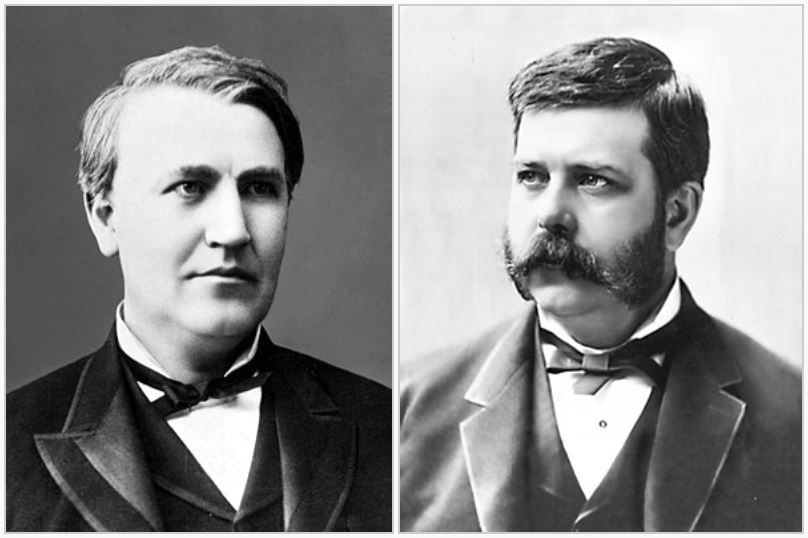
Томас Эдисон и Джордж Вестингауз
2. Какова история развития автоматического выключателя постоянного тока?
В 1879 году Томас Эдисон задумался об идее автоматического выключателя.
В то время электрические сети быстро внедрялись во многих отраслях промышленности.
Это касалось и освещения с использованием электричества.
Эдисон понимал, что короткие замыкания часто происходят при установке освещения во многих крупных городах.
В этом случае повреждается нить накаливания лампочки, что приводит к её необратимому разрушению, а стоимость замены лампочки и ремонта столба освещения может быть высокой.
Он предложил два способа предотвращения коротких замыканий:
- Первый — использование проводного предохранителя, который саморазрушается при скачке высокого тока.
- Второй метод — использование механического устройства, которое размыкается при обнаружении чрезмерного тока.
Контакт механического устройства можно восстановить вручную.
Он сделал множество эскизов различных предохранителей и автоматических выключателей в своих научных журналах и сразу же запатентовал эту идею в том же году.
Но в итоге Эдисон решил использовать предохранители. Затем, в 1876 году, начались непрерывные изобретения, направленные на улучшение первоначальных моделей.
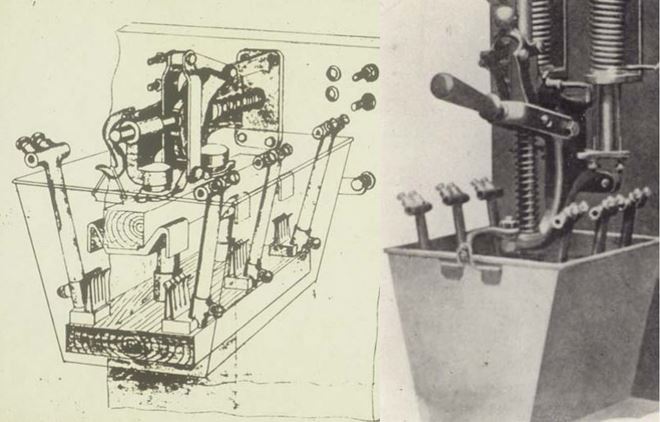
1898 масляный выключатель
3. To understand DC circuit breakers, how does electricity work?
Для правильного понимания работы автоматических выключателей постоянного тока необходимо сначала понять, как работает электричество.
Некоторые свойства определяют постоянный ток, или DC.
Это основано на превращении отрицательно заряженных частиц, называемых электронами, в положительно заряженные частицы.
Когда эти электроны движутся вдоль проводника, которым может быть медный или алюминиевый провод, образуется электричество.
Как упоминалось ранее, постоянный ток течет только в одном направлении, что означает, что положительно заряженные электроны движутся только в одном направлении.
4. Как работает автоматический выключатель постоянного тока?
В целом, системы автоматических выключателей имеют общие рабочие характеристики, но конкретные детали значительно различаются в зависимости от номинального тока, класса напряжения и типа автоматического выключателя.
На данный момент мы знаем, что автоматические выключатели постоянного тока защищают электрическую цепь, включая другие устройства, использующие источник питания, от повреждений.
Автоматические выключатели постоянного тока срабатывают, когда обнаруживают угрозу перегрузки цепи.
При обнаружении неисправности он быстро прерывает подачу электрического тока.
Например, в сетевом фильтре встроен автоматический выключатель.
Если слишком много устройств используют питание от одного источника, автоматический выключатель постоянного тока отключает питание.
Таким образом, он защищает электрические устройства, подключенные к сетевому фильтру.
Это часто используется в настольных компьютерах.
Центральный процессор может быть поврежден внезапным скачком напряжения, поэтому сетевой фильтр защищает его с помощью встроенного автоматического выключателя постоянного тока
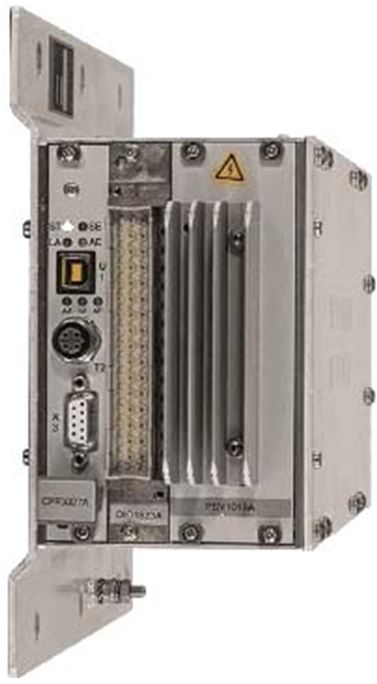
автоматический выключатель ЦП
5. Существуют ли разные способы сброса автоматических выключателей постоянного тока?
Да, некоторые автоматические выключатели постоянного тока имеют три способа сброса:
- Ручные автоматические выключатели постоянного тока
Когда срабатывает ручной автоматический выключатель постоянного тока, если вы находитесь рядом с ним, вы, вероятно, услышите щелчок, и подача электроэнергии прекратится.
В жилом доме в этом случае следует осмотреть электрощит.
Это металлический распределительный щит, и внутри него может находиться несколько автоматических выключателей постоянного тока в зависимости от количества электрических цепей в вашем доме.
Вы обнаружите, что рычаг одного или нескольких автоматических выключателей постоянного тока перевернут, и, если у вас достаточно знаний об электрических цепях, вы можете определить причину проблемы.
Как правило, перед ручным сбросом автоматического выключателя постоянного тока или возвратом рычага в нормальное положение необходимо отключить вилки электроприборов и других подключенных устройств.
Это обеспечит постепенное восстановление электропитания в тех зонах вашего дома, где произошло отключение электроэнергии.
Это также поможет определить, какой прибор мог вызвать перегрузку цепи.
- Автоматические выключатели постоянного тока
Автоматические выключатели постоянного тока сконструированы таким образом, чтобы автоматически сбрасываться.
При срабатывании, когда внутренние компоненты выходят из строя, он пытается восстановить цепь или цикл.
- Модифицированные выключатели постоянного тока
Модифицированные выключатели постоянного тока также называются выключателями с функцией срабатывания и удержания или выключателями с модифицированным сбросом.
Выключатель с функцией короткого замыкания остывает, после чего внутренние электрические контакты пытаются восстановить соединение, что автоматически сбрасывает выключатель.
Если перегрузка или короткое замыкание сохраняются, выключатель постоянного тока снова сработает и повторит цикл до тех пор, пока проблема не исчезнет.
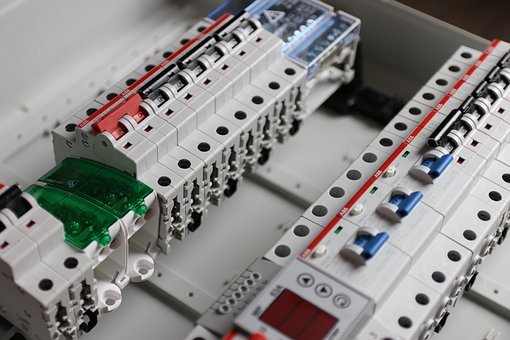
Различные типы автоматических выключателей постоянного тока в блоке предохранителей
6. Каковы основные части автоматического выключателя постоянного тока?
Составные части автоматического выключателя постоянного тока иногда различаются в зависимости от его типа, но основные части в большинстве случаев остаются одинаковыми, хотя могут отличаться в маркировке производителей.
Ниже перечислены наиболее известные основные части автоматического выключателя постоянного тока:
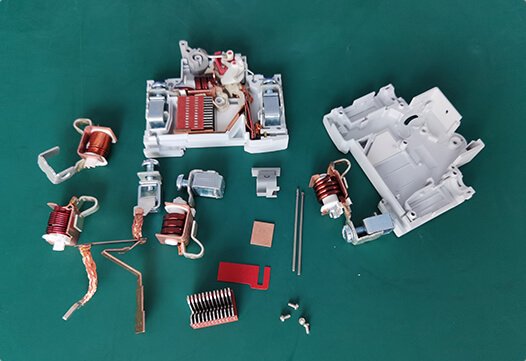
- Литой корпус – Корпус, в котором размещаются внутренние части автоматического выключателя постоянного тока и который удерживает остальные части вместе. Он состоит из основания и литого корпуса для крышки.
- Рукоятка управления – Подпружиненный подвижный рычаг используется для включения/выключения и сброса автоматического выключателя постоянного тока.
- Кнопка отключения – Позволяет механически отключать автоматический выключатель постоянного тока и обычно используется для проверки устройства.
- Клеммы – Место подключения входящей и исходящей нагрузки.
- Контакты – Состоят из подвижных и статических контактов, которые размыкаются при коротком замыкании или перегрузке.
- Устройство отключения по перегрузке по току – Механизм, который обнаруживает перегрузку по току, вызывающую срабатывание выключателя.
- Устройство гашения дуги – Устройство, которое мгновенно гасит образование дуги.
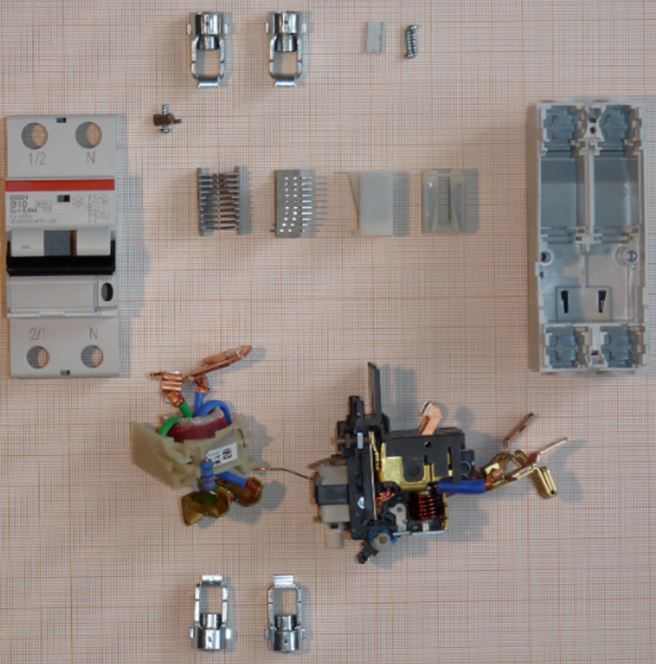
Части автоматического выключателя постоянного тока
7. Какие материалы используются для изготовления корпуса автоматического выключателя постоянного тока?
Корпус автоматического выключателя обеспечивает надежное крепление всех важных компонентов, позволяя правильно выполнять операцию и устанавливать его надлежащим образом.
Механическая прочность корпуса должна быть достаточной, чтобы выдерживать довольно большой и потенциально опасный ток.
Корпус автоматического выключателя также должен обеспечивать изоляцию и разделение пути тока, тем самым защищая вас, если вы находитесь рядом с оборудованием во время работы.
Это также один из факторов, обеспечивающих соответствие автоматического выключателя постоянного тока стандартным нормам.
Существует два типа корпусов автоматических выключателей постоянного тока:
- Металлический корпус
Металлические детали точно вырезаются, скрепляются болтами и свариваются вместе для создания корпуса автоматических выключателей постоянного тока.
Если у вас есть старые автоматические выключатели постоянного тока, вы можете обнаружить, что они установлены в металлических корпусах.
Фактически, согласно истории, все автоматические выключатели постоянного тока с напряжением ниже 600 вольт когда-то назывались автоматическими выключателями с металлическим корпусом.
Металлические корпуса по-прежнему используются для автоматических выключателей постоянного тока с более высоким напряжением.
- Формованный изоляционный материал
Большинство формованных изоляционных корпусов изготавливаются из прочных изоляционных материалов, таких как термореактивные композитные смолы или стеклополиэфир.
Эти типы корпусов обычно используются для низковольтных автоматических выключателей постоянного тока, а их размеры определяются номинальным током.
Например, для автоматического выключателя постоянного тока 12 В, автоматического выключателя постоянного тока 12 В, автоматического выключателя постоянного тока 24 В, автоматического выключателя постоянного тока 24 В, автоматического выключателя постоянного тока 48 В или автоматического выключателя постоянного тока 48 В.
Они также присутствуют в автоматических выключателях в изолированном корпусе.
Но благодаря достижениям в области материалов и технологий, теперь можно встретить формованные изоляционные корпуса, используемые для автоматических выключателей с напряжением 600 вольт и выше, например, для автоматических выключателей постоянного тока на DIN-рейку, автоматических выключателей постоянного тока на 1000 В или автоматических выключателей на 1000 В.
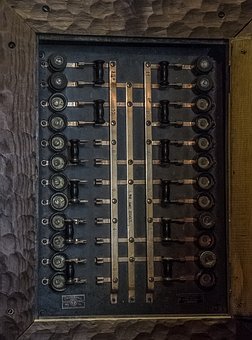
Старые автоматические выключатели
8. Какой тип контактов используется в автоматическом выключателе постоянного тока?
В автоматическом выключателе постоянного тока контакты обеспечивают соединение цепи с устройством, а также позволяют разъединять часть цепи от других частей устройства.
Как упоминалось ранее, контакты состоят из неподвижных и подвижных контактов.
Когда автоматический выключатель постоянного тока размыкается или замыкается, подвижный контакт перемещается, чтобы разомкнуть или зажать цепь.
Для работы контактов необходим определенный механизм управления.
Он может быть только механическим или комбинацией силового и механического.
В зависимости от типа автоматического выключателя, механизм управления может:
- Вручную размыкать и замыкать контакты
- Размыкать и замыкать контакты по требованию
- Автоматически размыкать контакты
Автоматические выключатели постоянного тока, независимо от их размера, нуждаются в помощи для перемещения механизма управления, чтобы он мог размыкать или замыкать контакты.
Здесь используется пружина.
Пружины играют важную роль в размыкании или замыкании контактов, обеспечивая точную работу механизма автоматического выключателя.
Они либо расслаблены, либо сжаты, чтобы передать механическую энергию, необходимую для открытия и закрытия контактов.
Как правило, существует два типа пружинных механизмов управления:
- Ручной переключатель
Ручной переключатель также называется быстроразъемным или быстрозамыкающим.
Скорость этого типа механизма управления зависит от скорости перемещения рукоятки.
Существуют моторные приводы, которые используются для автоматического управления рукояткой в отсутствие ручного управления.
Рукоятка перемещается для открытия или закрытия автоматического выключателя до точки, где она достигает крайнего положения, поэтому называется переключателем.
Затем пружинный механизм автоматически открывает или закрывает автоматический выключатель.
Конструкция ручного переключателя позволяет автоматическому выключателю срабатывать при необходимости, даже если рукоятка находится в закрытом или «включенном» положении.
- Двухступенчатая накопленная энергия
Этот метод используется, когда для быстрого закрытия автоматического выключателя требуется значительное количество энергии.
Закрывающая пружина заряжается, и энергия высвобождается для закрытия выключателя. Конструкция предусматривает отдельную пружину для открытия и закрытия автоматического выключателя, что позволяет пружине закрытия перемещаться независимо во время процесса открытия.
Это также обеспечивает цикл открытия-закрытия-открытия.
Двигатель может быть активирован дистанционно, обеспечивает быстрое повторное включение с накоплением заряженной энергии в отдельной пружине закрытия, а также обеспечивает безопасность благодаря изолированной зарядке пружины.
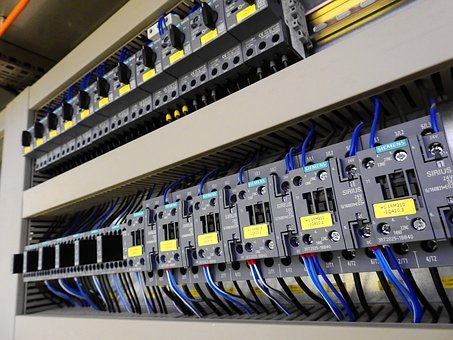
Автоматические выключатели постоянного тока в шкафу управления
9. Что представляет собой блок отключения внутри автоматического выключателя постоянного тока?
Блок отключения выполняет функцию «интеллектуального» элемента автоматического выключателя постоянного тока.
Автоматический выключатель постоянного тока должен обладать определенным интеллектом, чтобы автоматически реагировать на команды, иначе это был бы просто сложный переключатель.
Назначение блока отключения — «срабатывать» или размыкать цепь при возникновении перегрузок по току, таких как короткое замыкание, тепловая перегрузка и замыкание на землю.
В целом, блоки отключения бывают двух типов:
- Электромеханический блок отключения (тепловой магнитный)
Электромеханический блок отключения обычно используется в автоматических выключателях низкого напряжения.
Он интегрирован в автоматический выключатель и чувствителен к температуре.
Тепловое отключение происходит при перегрузке, ток нагрузки нагревает биметаллическую часть, и при длительной перегрузке биметалл деформируется, тем самым срабатывая механизм отключения.
В то время как магнитное отключение происходит, когда ток быстро увеличивается при прохождении через магнитное поле, заставляя электромагнит притягивать якорь, и, следовательно, автоматический выключатель постоянного тока срабатывает.
Металлическое отключение происходит, когда ток быстро увеличивается при прохождении через магнитное поле, заставляя электромагнит притягивать якорь, и, следовательно, автоматический выключатель постоянного тока срабатывает.
- Электронный блок отключения
Электронный блок отключения состоит из трех внутренних частей: печатной платы, трансформатора тока и шунтирующего выключателя с магнитопроводящим преобразователем.
Печатная плата выступает в роли «мозга» системы, поскольку она интерпретирует входной ток и принимает решения на основе заданных параметров.
Трансформатор тока постоянно контролирует и снижает ток в соответствии с соответствующим уровнем входного сигнала.
При этом решение об отключении направляет выходной сигнал на шунтирующий выключатель с магнитопроводящим преобразователем, вызывая, таким образом, срабатывание автоматического выключателя постоянного тока.
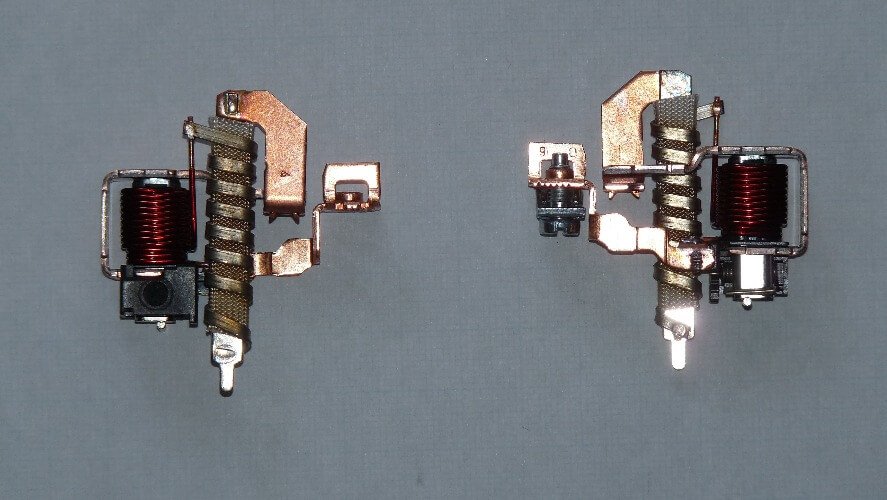
Старый термомагнитный прерыватель на автоматическом выключателе двигателя
10. В чем сходства и различия автоматических выключателей переменного и постоянного тока?
Автоматический выключатель постоянного тока — относительно новая технология.
В большинстве домов используется переменный ток, поэтому там же используются и автоматические выключатели переменного тока.
Но помимо различий, у них есть и сходства.
Вот некоторые сравнения автоматических выключателей переменного и постоянного тока:
- Напряжения
Автоматический выключатель постоянного тока используется с программируемыми логическими контроллерами с номинальным напряжением 24 В постоянного тока и 48 В постоянного тока, а также в таких областях применения, как ветроэнергетика.
В то время как автоматические выключатели переменного тока, как правило, рассчитаны на прерывание тока свыше 6 кА.
Некоторые производители выпускают автоматические выключатели с двойным номиналом; это означает, что один блок может работать как с переменным, так и с постоянным током и рассчитан на напряжение от 48 В постоянного тока до 125 В постоянного тока.
- Принцип работы (проблемы с искрением)
Автоматические выключатели переменного и постоянного тока выглядят похоже и выполняют схожие функции, но имеют разные внутренние механизмы.
При перегрузке их внутренние контакты размыкаются, защищая цепь.
Однако на протяжении всего времени, пока контакты размыкаются, образуется дуга.
Эта дуга представляет собой ток, перескакивающий через зазор, и поэтому называется контактной дугой.
Контактная дуга возникает при размыкании или замыкании автоматических выключателей.
Эту дугу необходимо немедленно погасить, иначе она будет продолжать перескакивать через зазор, и ток будет продолжать течь по цепи.
Что касается гашения дуги, автоматические выключатели переменного и постоянного тока работают по-разному.
Автоматические выключатели переменного тока не предназначены для решения проблем с дугой, связанных с автоматическими выключателями постоянного тока, поэтому они не взаимозаменяемы.
В то время как автоматические выключатели постоянного тока специально разработаны для решения проблем с дугой и имеют дополнительные меры для быстрого рассеивания образующейся электрической дуги при размыкании и замыкании цепи.
Это также известно как подавление дуги постоянного тока.
- Механизмы защиты
Как автоматические выключатели переменного, так и постоянного тока работают по одному и тому же принципу, когда речь идет об их тепловых и магнитных защитных механизмах.
Эти защитные механизмы срабатывают при обнаружении высокой токовой нагрузки, неисправности в токе или короткого замыкания.
- Варианты исполнения
Как автоматические выключатели переменного, так и постоянного тока выпускаются в миниатюрном корпусе и в литом корпусе.
Миниатюрные версии работают с током менее 100 ампер, в то время как версии в литом корпусе обычно больше по размеру и могут иметь регулируемые параметры защиты.
- Физическая установка
Физическая установка автоматических выключателей постоянного тока во многом схожа с физической установкой автоматических выключателей переменного тока.
Автоматические выключатели постоянного тока имеют более простой способ подключения по сравнению с автоматическими выключателями переменного тока.
Цепи постоянного тока подключаются к распределительной коробке, где кабели обычно защищены достаточным количеством металлических или пластиковых кабельных каналов.
Эта цепь может быть подключена непосредственно к устройству постоянного тока и управляться выключателем, или же это может быть вилка в электрической розетке.
Затем автоматические выключатели постоянного тока соединяются последовательно с токоведущими проводниками для каждой цепи.
И здесь переменный ток отличается, поскольку он имеет до трех токоведущих проводников, каждый из которых имеет свое назначение и должен быть подключен к соответствующему полюсу автоматического выключателя.
Это может привести к ошибкам в соединении, что может стать причиной несчастных случаев на производстве или привести к работе двигателей в противоположном направлении.
В то время как в системах постоянного тока используется только один проводник под напряжением.
И нет никакого риска возгорания соединений.
Могут быть и другие сходства и различия между автоматическими выключателями переменного и постоянного тока, не перечисленные здесь, но вы понимаете, что оба типа имеют свои преимущества, подходящие для конкретных областей применения.
11.Как сравнивать предохранители и автоматические выключатели постоянного тока?
В любом здании, использующем электроэнергию, должны быть установлены автоматические выключатели постоянного тока.
Даже если предохранители уже установлены, автоматические выключатели постоянного тока все равно необходимы.
Они предотвращают скачки напряжения и постоянное перегорание предохранителей.
Сходства предохранителей и автоматических выключателей постоянного тока:
- Оба устройства выполняют одну и ту же функцию, обеспечивая защиту от короткого замыкания и перегрузки по току.
- Оба могут быть установлены в распределительном щите.
Различия предохранителей и автоматических выключателей постоянного тока:
- Автоматические выключатели постоянного тока можно сбросить, в то время как перегоревший предохранитель необходимо заменить.
- Они обеспечивают одинаковую защиту цепей, но работают по-разному:
o Предохранители перегорают, отключая цепь, когда накопление тепла достигает точки плавления, тем самым защищая цепь от перегрузки.
o Автоматические выключатели постоянного тока используют магнитный эффект тока для защиты от короткого замыкания, а тепловой эффект тока — для защиты от перегрузки.
- Использование автоматических выключателей постоянного тока обходится дешевле, чем постоянная замена перегоревших предохранителей.
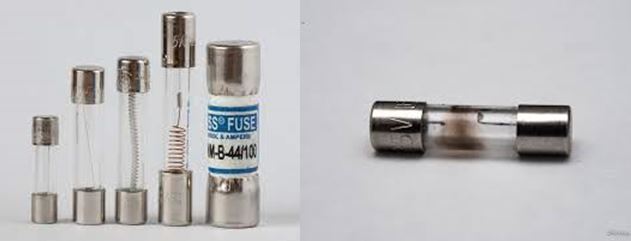
Разные размеры предохранителей и перегоревший предохранитель
12. Что следует учитывать при выборе подходящего автоматического выключателя постоянного тока?
При выборе подходящего автоматического выключателя постоянного тока следует учитывать ряд важных моментов.
Учет этих факторов облегчит установку и предотвратит проблемы в дальнейшем.
Вот некоторые из них:
- Размер автоматического выключателя постоянного тока
Выбор размера автоматического выключателя постоянного тока зависит от того, насколько большим или малым будет устройство, которое необходимо защитить.
Например, для отдельных электроприборов можно выбрать небольшой автоматический выключатель постоянного тока, например, из сетевых фильтров.
Но если вам нужно обеспечить электропитанием несколько районов, вам потребуются большие распределительные устройства для защиты высоковольтных цепей.
- Тип защитного механизма
Автоматические выключатели постоянного тока имеют тепловую и магнитную защиту.
Тепловая защита — это механизм, который защищает цепь при обнаружении электрического тока с более высоким номинальным током.
Он основан на биметаллическом компоненте, который может нагреваться, расширяться и активировать автоматический выключатель постоянного тока.
- Размер автоматического выключателя постоянного тока При увеличении тока он также срабатывает быстрее, поскольку выделяется больше тепла, которое расширяется и размыкает электрический контакт.
Магнитная защита мгновенно срабатывает при обнаружении высокого тока короткого замыкания.
Это основано на номинальной отключающей способности автоматического выключателя постоянного тока, которая обозначает определенный ток короткого замыкания, который он может прервать.
Поскольку прерываемый ток постоянен, необходимо сильнее разомкнуть электрический контакт, чтобы прервать ток короткого замыкания.
Магнитная защита также защищает от коротких замыканий, значительно больших, чем перегрузка.
Важно убедиться, что технические характеристики автоматического выключателя совместимы с типом тока электропитания, иначе он может не обеспечить эффективную защиту цепи, что может привести к электрическим авариям.
- Электропроводка с достаточным номинальным током
Электропроводка, соединяющая электроприбор и автоматический выключатель постоянного тока, должна иметь достаточный номинальный ток.
Даже если вы выбрали правильный автоматический выключатель постоянного тока, проводка недостаточного сечения может перегреться, что может привести к расплавлению изоляции и вызвать электрическую неисправность.
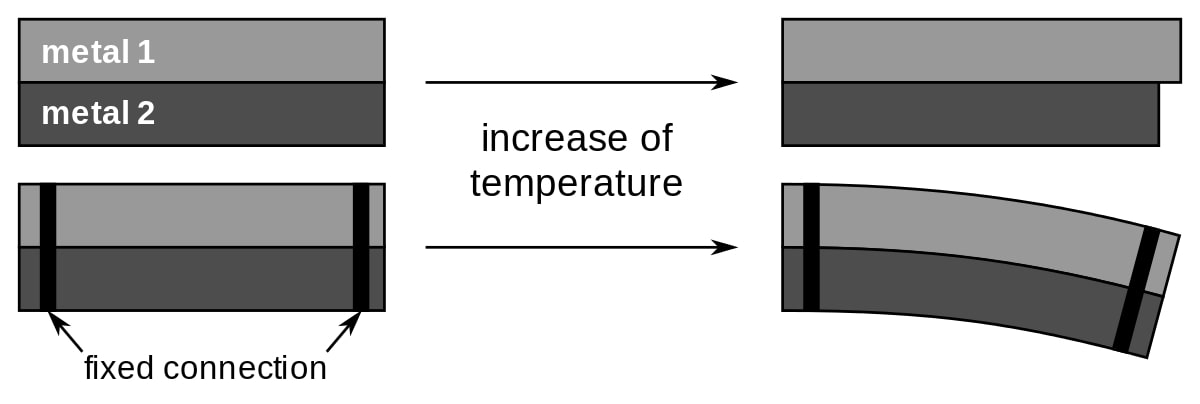
Bimetallic strip bending.
13. Каковы преимущества использования автоматических выключателей постоянного тока?
Автоматические выключатели постоянного тока обладают множеством преимуществ, среди которых:
- После срабатывания автоматического выключателя постоянного тока при возникновении неисправности его можно сбросить вручную, а не заменять устройство, за исключением случаев, когда произошло короткое замыкание с большим током, требующее ремонта.
- Автоматический выключатель постоянного тока имеет две защитные функции:
o Длительное срабатывание с обратным временем срабатывания.
o Быстрое срабатывание по току используется для защиты от перегрузок и коротких замыканий соответственно.
- Помимо защиты, многие автоматические выключатели постоянного тока обладают интеллектуальными функциями; они также имеют такие функции, как регистрация неисправностей, интерфейс связи и измерение электрической величины для интегрированного мониторинга и контроля устройств и систем распределения.
- Автоматические выключатели постоянного тока специально разработаны для решения проблем с дуговым разрядом и имеют дополнительные меры для быстрого рассеивания образующейся электрической дуги при размыкании и замыкании цепи, что обеспечивает им более длительный срок службы.
Могут быть и другие преимущества автоматических выключателей постоянного тока, не перечисленные здесь, но это наиболее распространенные и важные, о которых стоит подумать.
14.Какие существуют распространенные типы автоматических выключателей постоянного тока?
Существует множество типов автоматических выключателей постоянного тока, которые подразделяются на три разновидности: базовые автоматические выключатели, выключатели с защитой от замыкания на землю (GFCI) и выключатели с защитой от дугового замыкания (AFCI).
- Базовые автоматические выключатели
Базовые автоматические выключатели бывают четырех типов: однополюсные, двухполюсные, трехполюсные и четырехполюсные.
- Однополюсные автоматические выключатели постоянного тока
Однополюсные автоматические выключатели постоянного тока предназначены для обнаружения тока в одном проводе и срабатывания в случае короткого замыкания или электрической перегрузки.
Они рассчитаны на подачу 120 вольт в цепь и выдерживают ток от 15 до 30 ампер.
В большинстве современных домов установлены однополюсные автоматические выключатели постоянного тока.
- Двухполюсные автоматические выключатели постоянного тока
Двухполюсные автоматические выключатели постоянного тока предназначены для одновременного контроля потока электроэнергии по двум проводам.
Их также называют двухполюсными автоматическими выключателями постоянного тока, двухполюсными автоматическими выключателями постоянного тока, четырехполюсными автоматическими выключателями постоянного тока, двухполюсными автоматическими выключателями постоянного тока или неполяризованными автоматическими выключателями постоянного тока.
Их легко узнать по двум расположенным рядом переключателям, соединенным в одном выключателе.
Они немедленно срабатывают, если один из двух проводов перегружается или происходит короткое замыкание.
Двухполюсный автоматический выключатель постоянного тока может обеспечивать напряжение в электрической цепи 120/240 вольт или 240 вольт.
Он также может выдерживать ток от 15 до 200 ампер.
Некоторые из них используются в цепях, подающих питание на электроприборы, потребляющие значительное количество энергии, например, стиральная машина с сушилкой.
Трехполюсные автоматические выключатели постоянного тока
Трехполюсные автоматические выключатели постоянного тока более практичны в использовании, чем однополюсные автоматические выключатели постоянного тока.
Например, если в одной машине находятся три двигателя (с одинаковыми номинальными токами), которые необходимо защитить, практичнее использовать трехполюсный автоматический выключатель постоянного тока, чем три однополюсных.
Это значительно сократит время установки и занимаемое пространство.
Что еще важнее, в случае отказа нагрузки все три нагрузки будут отключены от источника напряжения, включая и исправные, что обеспечит полную остановку машины.
- Четырехполюсные автоматические выключатели постоянного тока
Четырехполюсные автоматические выключатели постоянного тока, как и в случае с трехполюсным автоматическим выключателем постоянного тока, являются более практичным выбором, если в одной машине находятся четыре двигателя, которые необходимо защитить.
Другой пример — подключение резервного генератора к распределительному устройству.
В этом случае вместо отключения заземления нейтрали генератора можно использовать четырехполюсный автоматический выключатель постоянного тока.
Существуют модели с рабочим током от 1000 В и 65 А до 25 А.
- Автоматические выключатели с защитой от замыкания на землю (GFCI)
Автоматические выключатели GFCI предназначены для защиты от замыкания на землю, в частности, когда между заземленным элементом и электрическим током возникает опасный электрический путь.
В соответствии с некоторыми электротехническими нормами, они требуются в жилых домах, особенно в местах, подверженных воздействию влаги, таких как ванная комната, прачечная и наружные помещения.
- Автоматические выключатели с защитой от дугового разряда (AFCI)
Автоматические выключатели AFCI сконструированы таким образом, чтобы срабатывать при обнаружении дугового разряда в электропроводке.
Иногда это происходит при повреждении электропроводки или при истончении изоляции проводов, что может представлять серьезную пожарную опасность.
Обычные автоматические выключатели не всегда обнаруживают электрические дуги, поскольку срабатывают только при сильном нагреве.
Автоматические выключатели AFCI в большинстве случаев являются обязательными в соответствии с электротехническими нормами для новостроек.
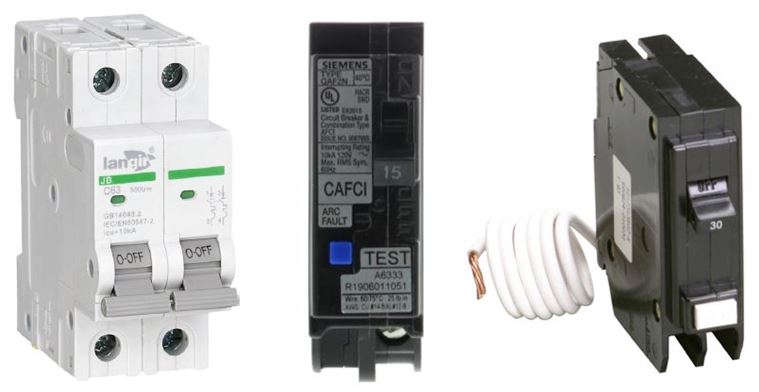
Двухполюсный автоматический выключатель постоянного тока, AFCI и GFCI
15. 直流断路器采用哪些安装方式?
直流断路器的安装方式指的是它们如何在单个外壳或组件中使用。.
单位成本和更换的便利性是选择断路器安装方式时也应考虑的重要因素。.
安装方式也可能取决于断路器的类型或具体应用。.
直流断路器可采用以下任何一种常见安装方式进行安装:
- 固定安装方式
在这种安装方式中,直流断路器通过硬接线固定安装在框架上,或用螺栓固定在外壳或组件中。.
这被认为是购买成本最低的安装方式。.
它也是前部可安装且可靠的,适用于600伏及以下电压。.
当需要拆卸或更换直流断路器时,必须首先关闭电源。.
- 可拆卸安装方式
在这种安装方式中,直流断路器由两部分组成:底座和实际断路器。.
底座用螺栓固定并硬接线到框架上,而实际断路器则插入底座。.
采用这种方法,您可以更换直流断路器而无需重新布线,从而节省时间。.
这种方法购买成本适中,可前部安装,并具有良好的可靠性。.
它也适用于600伏及以下电压。.
更换直流断路器前,请确保首先关闭电源。.
- 抽出式安装方式
在抽出式安装方式中,直流断路器同样由两部分组成:底座和实际断路器。.
底座用螺栓固定并硬接线到框架上,而实际断路器则滑入底座。.
这样,可以在无需切断供给直流断路器的电源的情况下更换单元。.
您可以手动将直流断路器移入或移出,也可以使用摇进机构。.
尽管这种安装方式似乎更方便,但其购买成本最高。.
它非常可靠,可近端安装,并允许带电测试。.
此方法也适用于所有电压等级。.
为安全起见,拆卸或更换直流断路器时需要关闭电源。.
但此方法具有联锁功能,当您尝试拆卸单元时会自动切断电源。.
摇进机构可使直流断路器移动。.
通常通过棘轮或转动手柄操作。.
要将直流断路器从«连接»位置摇出,只需关闭单元的负载。.
内置联锁装置会执行此操作,因此直流断路器在开始摇出前会自动断开。.
抽出式安装方式无需为了检修一个直流断路器而关闭整个组件的所有电源。.
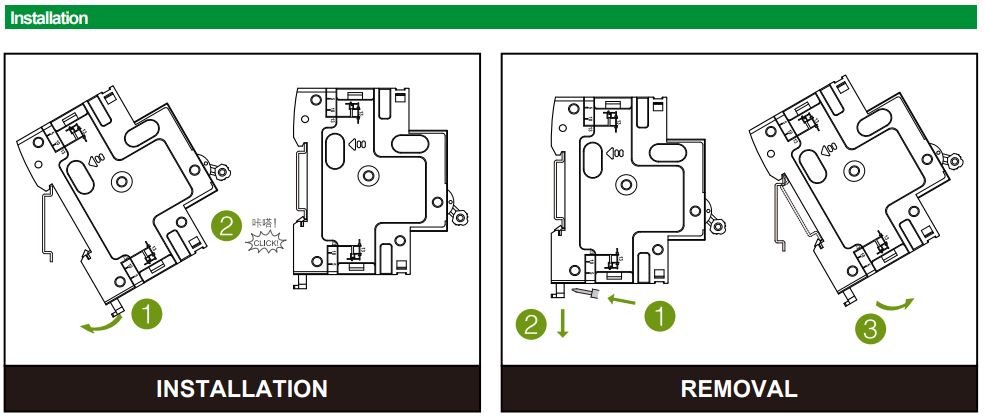
安装和拆卸示例
16. 直流断路器在LED灯上的用途是什么?
LED灯,如其缩写所示,使用发光二极管工作,而这些二极管只能在直流电下运行。.
这就是为什么常见整个电路使用直流电工作,但这通常仅在连接LED灯时如此。.
由于电路使用直流电,因此需要直流断路器进行保护。.
LED灯以高能效著称,可节省高达70%的能源,相比之下其他照明技术相形见绌。.
然而,LED灯有时价格偏高,且若提前损坏通常无法退款。.
正因如此,使用直流断路器对其进行保护至关重要。.
此处还需注意,LED灯可使用交流电和直流电。.
使用交流电的LED灯内置整流器,用于连接交流电路。.

采用LED照明的住宅
17. 直流断路器在太阳能电池板中起什么作用?
直流断路器通常安装在太阳能光伏(PV)系统中,用于保护部分组件。.
光伏太阳能电池板将太阳辐射转化为直流电。.
该直流电可用于为电器设备供电。.
太阳能光伏板以串联电路方式连接,根据其容量,一套装置可能包含多个电路。.
随后所有电路均接入光伏汇流箱,且每条电路均连接一个直流断路器。.
这确保了太阳能光伏板受到保护,因其被视为整个系统中最昂贵的部件——即使小型光伏装置的成本也可能高达数千美元。.
若太阳能光伏系统使用蓄电池组,该电池组也需连接直流断路器以获得保护。.
若太阳能光伏板产生的所有电能合并为单一直流输出,则同样需要连接直流断路器。.
另一需要直流断路器保护的部件是逆变器,其负责将直流电转换为交流电。.
最后,若设有直流负载专用配电盘,则必须配置一系列直流断路器。.
您可选择将太阳能电池板产生的电能用于交流电器设备,同时安装电力逆变器。.

住宅太阳能电池板安装
18. 直流断路器在电动汽车中的作用是什么?
电动汽车依靠大容量充电电池运行,而非依赖化石燃料。.
电池在专为电动汽车建造的充电站中进行充电。.
这些系统使用直流电工作,因此必须采用直流断路器。.
电动汽车是可再生能源技术的一部分,其环保设计为交通提供了可持续能源。.

电动汽车充电
19. 直流断路器在高精度工业焊接和设备中有何用途?
使用直流电的电弧焊机必须配备直流断路器保护。.
这是为了确保操作安全,并防止焊机受损。.
直流断路器也普遍用于直流电动机的保护。.
这类直流电动机具有广泛的工业应用。.
它们以易于掌握的控制、与自动化系统的集成以及瞬时响应时间而著称。.
因此,直流电动机非常适用于工业机床、自动化设备以及轨道和传送带等运输装置。.
此类机械的控制电路采用直流电工作,因而需用直流断路器进行保护。.
控制电路与电源电路因工作电压不同而相互隔离,但每条电路均由各自的直流断路器保护。.
额定电流和电压较低的是控制电路,因其仅用于处理控制信号。.
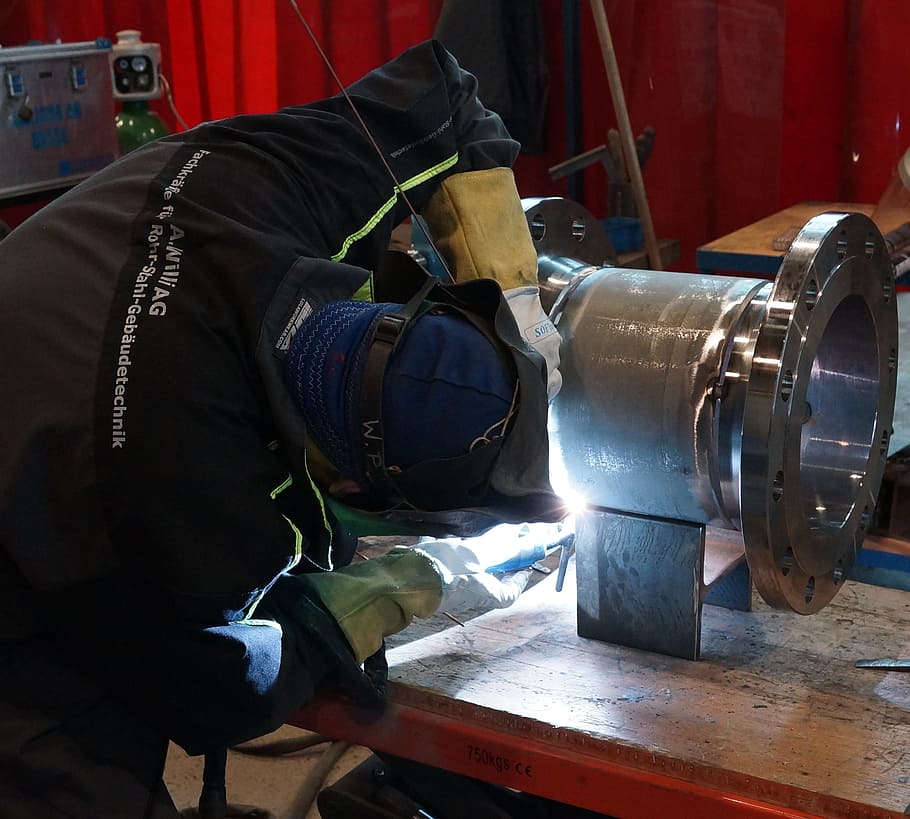
焊接行业金属加工
20. 适用于直流断路器的标准规范有哪些?
电气标准规范旨在保障从事住宅或任何其他场所电气安装或维护工作的人员、区域内的使用者以及财产本身的安全。.
其他规范按国家、州或地方分类,均具有类似的安全目的。.
此外,这些规范有助于建筑业主和城市通过遵守这套法律与指南来避免法律纠纷。.
- IEC 60364(建筑物电气装置)
IEC 60364是国际电工委员会(IEC)制定的建筑物电气装置国际标准。.
英国的BS 7671作为欧洲布线规范,遵循IEC 60364的框架,并补充了适应本国历史惯例的表述,便于电工和检查人员简化现场应用并实现合规目的。.
IEC 60364提供了电气系统安装与检查的标准规则。.
其他国家标准和指南参考IEC 60364以实现共同目标。.
- BS 7671(英国电气规范)
这是英国国家标准,即英国标准7671。.
亦称为《电气安装要求》和IET布线规范。.
该英国国家标准不仅提供电气安装标准,还涵盖电气安全布线及特殊装置和场所的标准。.
BS 7671详细规定了标称电压最高可达或包含1500伏直流或交流的电路。.
因此,该标准也详述了特低电压(ELV)范围(0至125伏直流和0至50伏交流)以及低电压(LV)范围(125至1500伏直流和50至1000伏交流)。.
该标准还包含欧洲电工标准化委员会技术实质协议。.
- CSA C22(加拿大电气规范)
CSA C22是加拿大标准协会制定的标准,涵盖加拿大境内电气设备的安装和维护。.
该标准规范是全加拿大布线指南的基础。.
此规范由来自同一行业及不同政府层级的大量志愿者共同制定。.
它规定了布线方法,提供了可接受的规范性模型。.
但也可采用其他布线方法,前提是必须首先获得当地执行该标准规范的管理机构批准。.
然而,该规范不适用于车辆、通信公用系统、铁路系统、船舶和飞机,因为这些装置拥有自身的标准规范。.
- NFPA 70(美国国家电气规范)
NFPA 70详细规定了美国的布线及设备安全安装要求。.
这是一项可在地方层面调整的标准,隶属于美国国家消防协会(NFPA)。.
虽称为国家规范,但它并非法律,而是通常被采纳为强制执行安全电气实践的标准。.
它也可根据地方管理机构投票制定的区域法规进行修订、更改或否决。.
请勿与NESC混淆,后者适用于架空和地下线路以及变电站的通信公用系统和电力系统。.
- UL489 and UL1077
UL 489 is the standard for molded case circuit breakers, while UL 1077 is for supplementary protectors used in electrical equipment.
According to UL standards (Underwriters Laboratories), most circuit protection devices should be inspected and covered by their recognition or listing services.
UL tests the devices, typically 2 to 4 times per year, to ensure that the materials and design of the originally recognized device remain consistent.
If the device has optional features, such as auxiliary contacts, UL will require additional testing.
Other standard codes may currently be implemented in your area.
It is best to consult the local governing authority or a licensed electrician to ensure your chosen DC circuit breaker complies with minimum safety standards.

International standard code logos
21. Can you replace or install a DC circuit breaker yourself?
Unfortunately, the answer is no.
When working with electrical components such as DC circuit breakers, precautionary measures must always be considered, and it is not a task for just anyone.
This is because installing or replacing a DC circuit breaker is a job for a licensed electrician and may even require a permit, depending on your location.
Electricians are required to take proper precautionary measures and adhere to electrical codes.
Failure to do so can result in fires, electrocution, or even death.
Electricians are also trained to determine the type of circuit breakers required for your home.
Typically, DC circuit breakers are mounted in fuse boxes, and a rail specially designed for their installation is provided.
DC circuit breakers protect individual direct current loads or main circuits such as solar PV arrays, inverters, or battery banks.
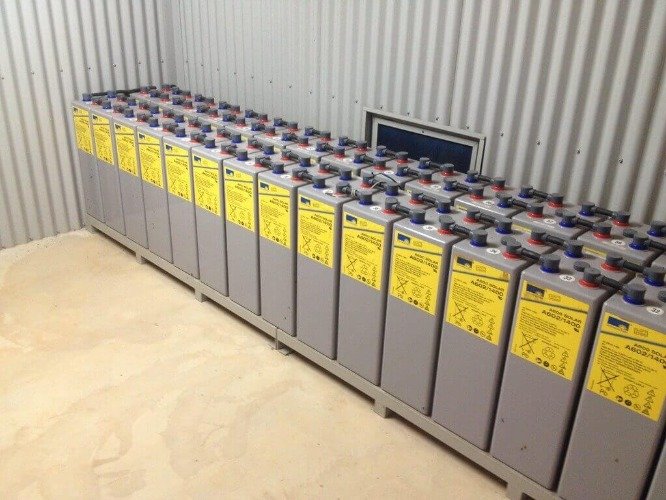
Solar battery banks
22. How to find DC circuit breakers in China?
You can shop for DC circuit breakers online on your preferred manufacturer’s website, on online marketplaces, or by using search engines and entering keywords such as “DC circuit breaker.”.
Generally, manufacturers have a product listing page where you can add your chosen DC circuit breaker to the cart, select the quantity, and enter payment details to complete the purchase.
However, to receive personalized service, you may first send an inquiry.
For example, if you choose Langir as your DC circuit breaker supplier, simply fill out the free inquiry form and include your contact details.
A sales professional will contact you using the provided details and assist with your order.
Langir accepts both small and large orders, as well as urgent orders.
For small packages, they typically use express delivery services such as FedEx, DHL, UPS, TNT, or EMS, which offer door-to-door delivery.
For large packages, they usually ship by sea or air.
Upon order confirmation, inspected DC circuit breaker stock will be shipped immediately, and you may receive your order within 2 to 3 days.

Langir product storage facility ready for dispatch
 Russia
 English