
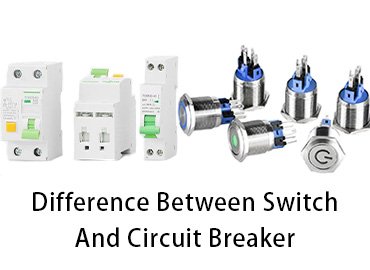
Many people think that switches 以及 circuit breakers are the same type of product. To be frank, they are two different products. Although they have similar functions, there are still differences between them. This article will help you understand the differences between switches and circuit breakers.
The Difference in Functionality
There are many types of switches, among which isolating switches and load switches may be two types of products that are functionally close to circuit breakers.
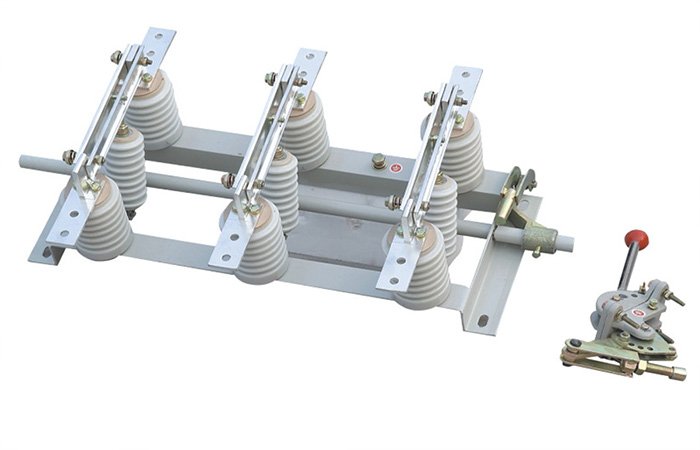
Isolating switches physically isolate circuits without arc extinguishing devices. They are divided into low voltage and high voltage, as well as indoor and outdoor types. The traditional isolating switch is also called a knife switch. It operates in coordination with the circuit breaker: the circuit breaker is closed first, followed by the isolating switch, to avoid arcing. The main purpose of the isolating switch is to disconnect a specific section of the circuit without exceeding the rated current, ensuring the safety of maintenance personnel and the entire circuit.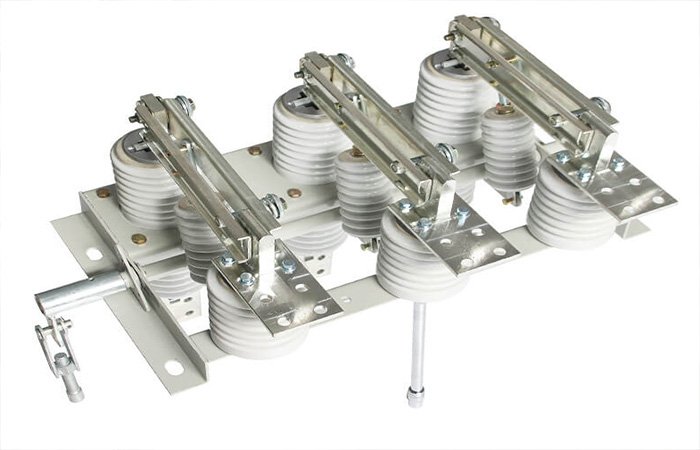
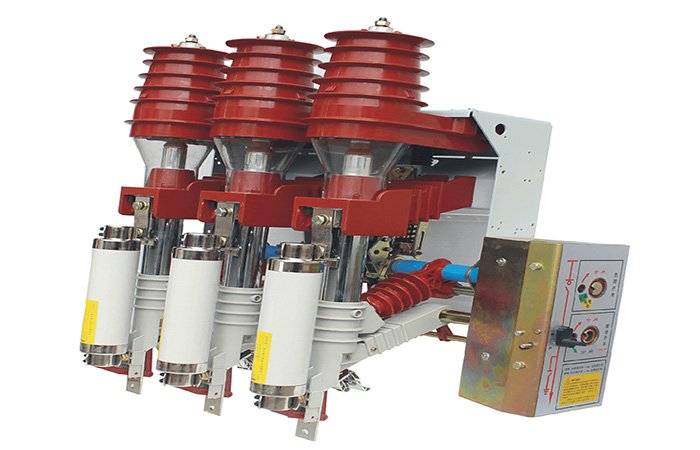
The load switch has a simple arc extinguishing device, a relatively simple structure, and the function of interrupting a certain overload current. The load switch uses compressed air in its cylinder to achieve arc extinction. Load switches include high-voltage load switches and low-voltage load switches, but they all need to be combined with fuses to perform the short-circuit interruption function.
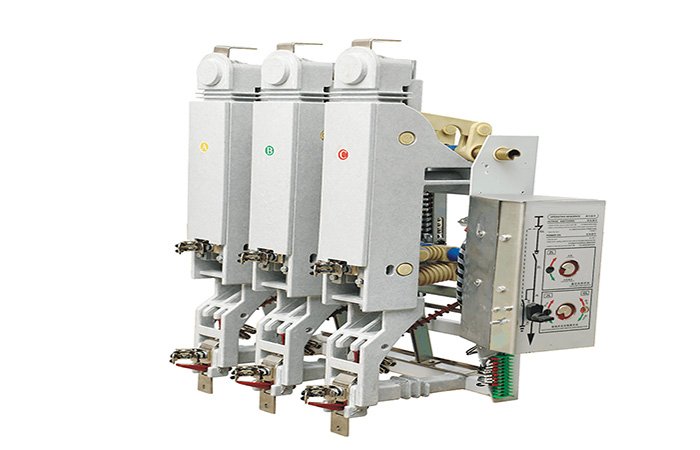
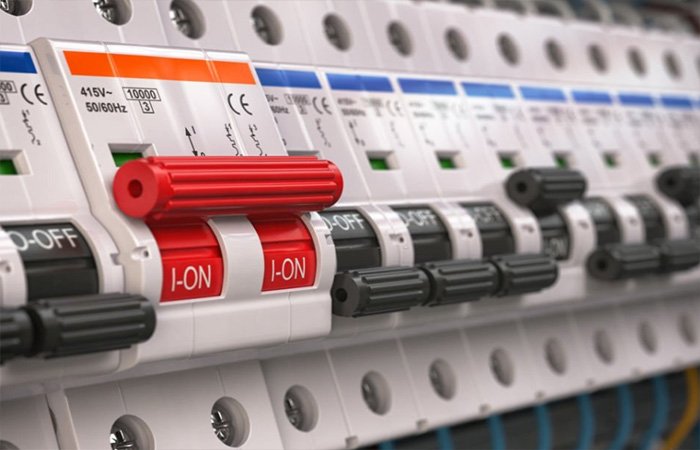
The circuit breaker has a complete arc extinguishing device and primarily relies on automatically disconnecting the circuit upon detecting abnormal current. It provides protection against overload, short circuit, overvoltage, undervoltage, etc., and serves a protective role in the circuit. Circuit breakers are also divided into high voltage circuit breakers and low voltage circuit breakers. According to the number of poles, there are 1P, 2P, 3P 以及 4P.
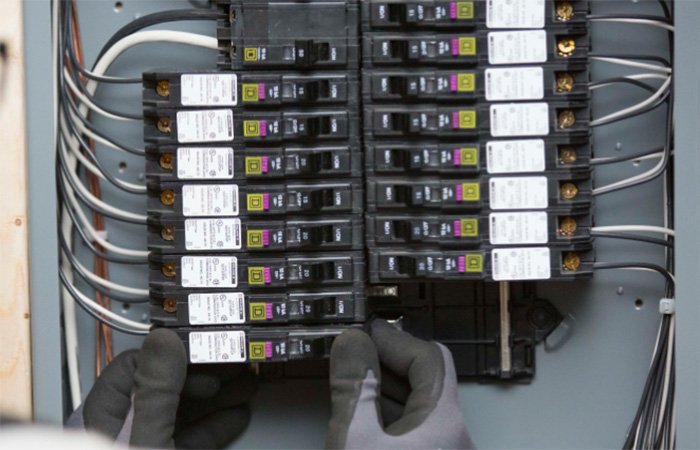
The purpose of switches and circuit breakers is to interrupt electrical circuits. Due to their different price points, a reasonable combination can not only reduce the cost of the entire circuit system or distribution network system but also better ensure the normal operation of the circuit and the safety of personnel.
The Difference in Application Scope
Switches and circuit breakers perform different functions in different scenarios. They can be used together within the entire circuit system.
The isolating switch is primarily operated manually and lacks self-protection capability. It plays a significant role in substations, power plants, and distribution networks by isolating the power supply and protecting the personal safety of operators during equipment or circuit maintenance.
Load switches are used frequently and generally need to be used in conjunction with fuses. Due to their low cost and simple, convenient operation, load switches are widely used in 10KV power distribution systems, ensuring the safe and reliable operation of the power grid.
A circuit breaker is a widely used electrical component. It places greater emphasis on protecting the entire circuit, can handle a wider range of currents, and incorporates various intelligent protection functions. A circuit breaker can automatically trip to disconnect a circuit or be operated manually. It also possesses self-protection capabilities. It is primarily used to protect the safety of circuits or equipment, preventing overloads, short circuits, and other circuit faults from affecting equipment and personal safety. It is suitable for power generation, transmission, consumption, and distribution in buildings, circuit systems, and distribution systems.
This outlines the difference between switches and circuit breakers in practical applications. If you wish to learn more about the specific application differences between the two, you can search for more related articles.
FAQ
Are Switches Safer than Circuit Breakers?
The two typically perform their respective functions, and it is not possible to compare which one is safer.
What Are the Similarities Between Circuit Breakers and Switches?
They can manually or automatically control the connection and disconnection of DC or AC power.
What Are the Common Safety Issues with Switches and Circuit Breakers?
Wiring errors, line short circuits, circuit overloads, tripping, etc.
What Is the Degree of Protection of Switches and Circuit Breakers?
The general protection rating for switches is IP65, with the highest rating reaching IP68. The protection rating for circuit breakers is generally IP30 or IP40.
Are Switches and Circuit Breakers Interchangeable?
They cannot be interchanged arbitrarily and need to be selected based on specific circuit conditions.
 Russia
 English