
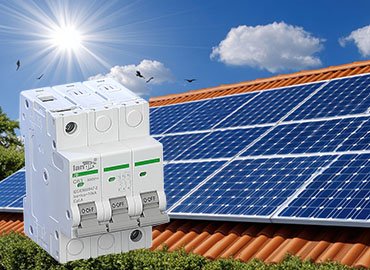
Solar energy has become a standalone source for many households and commercial systems. A comprehensive setup can make energy independence possible thanks to the off-grid support.
Like typical energy sources, solar current and voltage can reach peaks. Current surges or sudden drops are still dangerous and can burn out your devices.
To protect your devices, the solar circuit breaker system is employed. Today, we will discuss various types of solar circuit breakers and understand how they can help.
What Is a Solar Circuit Breaker?
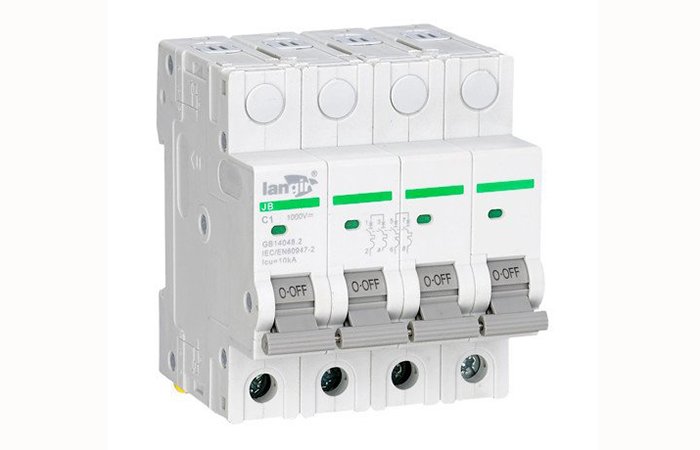
A solar circuit breaker is a device that protects the solar system. Typically, a solar system involves two types of currents. DC comes directly from the solar panels, while AC is generated through transformation at the solar inverters.
Solar circuit breakers can handle both AC and DC surges or short-circuits if they are of a hybrid type.
How Does a Solar Power Circuit Breaker Work?
The working mechanism is straightforward. These circuit breakers interrupt the electrical supply whenever the current increases or decreases beyond the set threshold. This protects the devices and enhances the overall safety of the system.
Types of Solar Circuit Breakers
There are two main categories of solar circuit breakers. They are differentiated either by the type of current they handle or by their structure and function.
Let’s discuss them.
By Current Type
Here are two types of solar circuit breakers based on AC and DC systems.
- DC Circuit Breakers
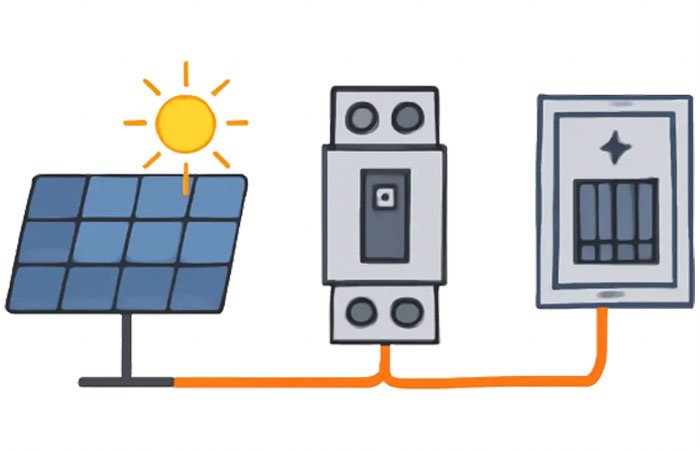
A DC circuit breaker manages the current flow between the batteries, controller, and solar panels. It is a more strategically placed circuit breaker because it operates in line with the DC direction and provides comprehensive safety.
- AC Circuit Breakers
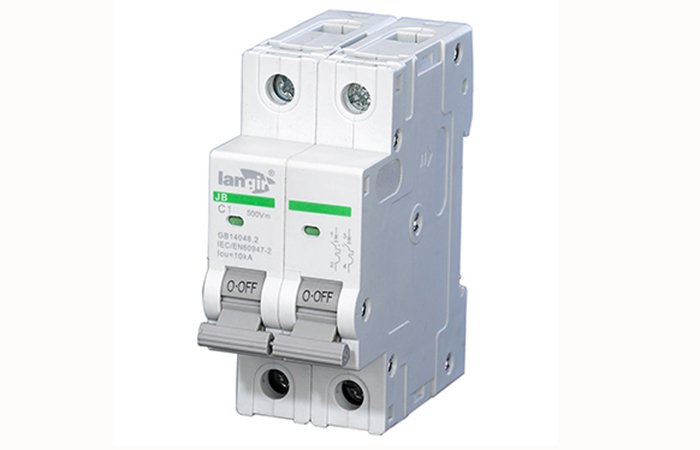
An AC circuit breaker is a standard system installed between solar inverters and household devices. These applications involve AC power. Therefore, this type of circuit breaker is best suited for such installation environments.
By Structure & Function
Different structures and functionalities give rise to more specialized types of solar circuit breakers. Here is the list.
- Miniature Circuit Breakers (MCBs)
MCBs are compact circuit breakers with basic functionality. They are suitable for low-power requirements and interrupt the current flow in case of surges and short-circuits.
- Moulded Case Circuit Breakers (MCCBs)
If you have a medium to large solar setup, an MCCB can be beneficial. It can control higher currents and is well-suited for large power systems. MCCBs offer excellent flexibility and enhanced protection.
- Ground Fault Circuit Interrupters (GFCIs)
Ground faults can cause current to leak into the ground, posing significant danger to systems. GFCIs provide protection in such scenarios and deliver reliable performance in moist conditions.
- Arc Fault Circuit Interrupters (AFCIs)
Damaged or loose wires are potentially hazardous to your system. They can generate higher currents and cause device malfunction. Arc fault circuit interrupters are designed to handle such current spikes.
Benefits of Using Solar Circuit Breakers
Solar circuit breakers act as defense systems for appliances. They offer various benefits, as discussed below:
Protection Against System Overloads
Circuit breakers for solar systems cut off the current supply when a surge occurs. This protects devices from damage and keeps the system safe.
Increased Safety For Equipment And Users
The primary purpose of a circuit breaker is to safeguard home or commercial appliances. They interrupt the power supply to devices, preventing them from burning out.
Easier System Isolation During Maintenance
With AC and DC breaker systems, you can isolate and shut off the supply during maintenance. This simplifies repairs and helps maintain system efficiency.
Improved System Reliability And Lifespan
By responding quickly to prevent damage, the system maintains high reliability. This also helps extend the system's lifespan and preserve high efficiency.
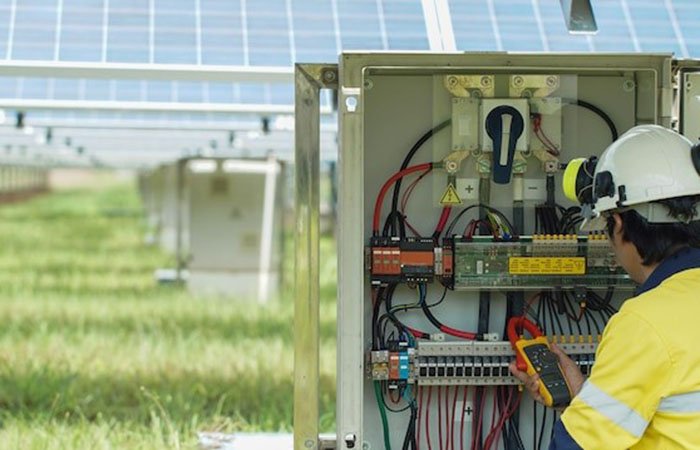
Key Specifications to Consider
When selecting a solar circuit breaker, several factors must be considered. These include:
Voltage and Current Ratings
Voltage and current ratings must be compatible. Undersizing can lead to frequent tripping. Ensure the circuit breaker ratings match your system's voltage.
Breaking Capacity
Breaking capacity refers to a circuit's inherent ability to interrupt current flow. A circuit breaker should have a higher breaking capacity than the current it handles.
Polarity (unidirectional vs. bidirectional)
DC is unidirectional, while AC is bidirectional. Inverters convert DC to AC and manage the current transformation. Choose the circuit breaker polarity based on your installation location. For AC applications, select an AC circuit breaker.
Environmental Factors
Humidity and temperature can affect circuit breaker performance. For instance, humidity may cause frequent tripping. Extreme weather conditions can alter tripping capacity. When installing solar circuit breakers in industrial settings, opt for IP-rated circuit breakers with appropriate enclosures.
Compliance with Standards
Your solar panel circuit breaker should comply with international standards such as IEC 60947, UL 489, or NEC 690. These standards ensure the reliability and stability of the circuit breaker systems.

FAQs
1. Can I use a normal MCB in place of a solar circuit breaker?
No. You should never substitute a normal MCB for a solar circuit breaker. A normal MCB is designed for AC currents, while a solar setup involves DC currents. This can cause arcing and compromise safety.
2. What happens if a solar circuit breaker is undersized or oversized?
It leads to compatibility issues. An undersized solar circuit breaker may trip even with minor surges, causing operational problems. Conversely, an oversized breaker may fail to trip even when the current exceeds the threshold, resulting in damage in both scenarios.
3. How can I test if my solar circuit breaker is working correctly?
Testing a solar circuit breaker is straightforward. Turn on all your devices and manually trip the solid state circuit breaker. Verify that it cuts off the power supply as intended. Use a multimeter to check the ratings.
Can a solar circuit breaker trip due to weather?
Yes. Extreme weather conditions can trip the circuit breaker. This occurs due to elevated temperature and moisture, which cause corrosion and automatic tripping. In such cases, you should use IP-rated circuit breaker systems.
Conclusion
A solar circuit breaker is a versatile device with essential functionality in the circuit. When purchasing, you should verify compatibility and quality. Additionally, consider the protection for the type of current required. Opt for hybrid protection systems to handle both AC and DC surges.
 Russia
 English