
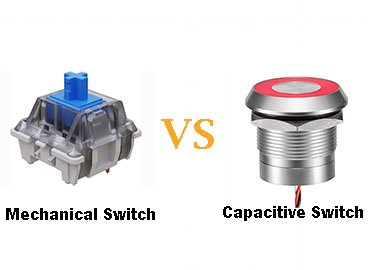
Switches are fundamental operating systems of electrical and electronic circuits. They are crucial in maintaining electrical current and operate differently depending on the type.
Advanced technology features touch-based switches, whereas older technology utilizes a physical switch system. The two differ in multiple aspects. Today, we will examine both types of switches and determine which is more suitable for your needs.
Capacitive Switch
What They Are and How They Work
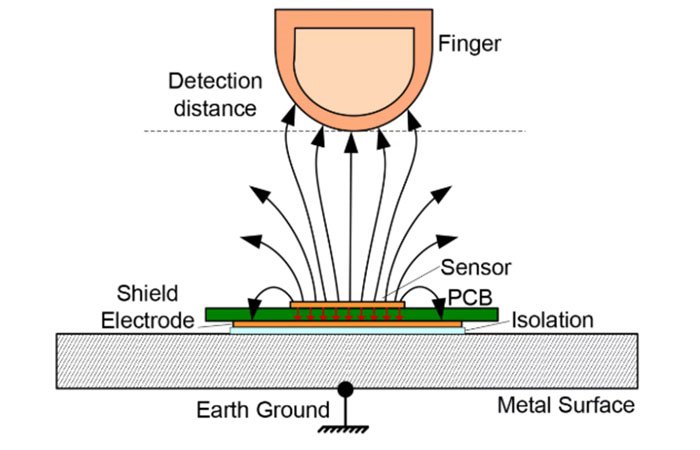
A 电容式开关 is an advanced type that senses changes in capacitance and provides an immediate response to open or close the circuit. In this system, bringing a finger near the switch alters the electric field, causing a capacitance change that triggers the final response.
Here is a step-by-step outline of this process.
- There is an outer surface, such as glass, plastic, or an overlay material. Beneath this outer surface lies a conductive layer.
- When a finger approaches, it changes the local capacitance.
- The system detects this change and registers it as a «press» or activation.
Advantages
Capacitive switches offer several advantages.
No moving parts
Since the system relies on finger proximity rather than pressing, there is no mechanical stress. Consequently, these switches are more durable and have a longer lifespan compared to other types.
Sleek design
If you seek aesthetic appeal and high-quality options, capacitive switches feature a minimalist and sophisticated design. Their slim structure enhances their visual appeal.
Easy maintenance
The flat surface is extremely easy to clean. Additionally, it is resistant to dust, dirt, and spills, making maintenance straightforward.
High sealing potential
Most switches come with external protective layers that offer IP-rated environmental resistance, ensuring better protection and an extended lifespan.
Applications
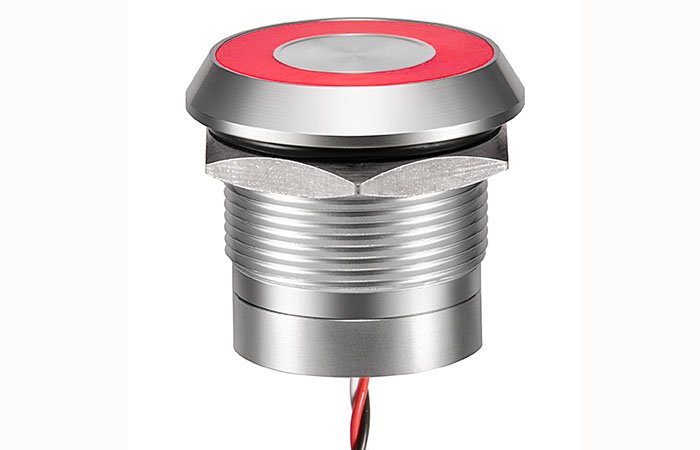
Capacitive switches are suitable for various residential and industrial applications. They are used in a range of touchscreen kiosks, medical equipment, and industrial machinery panels.
In consumer electronics, capacitive switches are deployed in smartphones, tablets, and modern appliances. The automotive industry also utilizes this technology for touch dashboards and infotainment systems.
Mechanical Switch
What They Are and How They Work
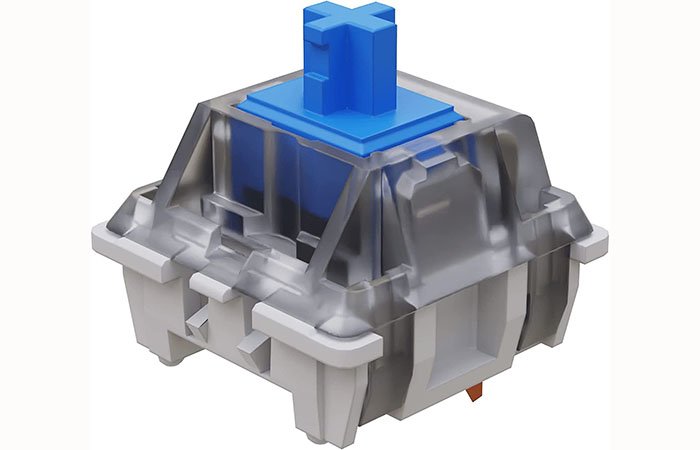
A mechanical switch incorporates a physical actuation system where pressing the button causes a change in the electrical circuit. Based on the input, conductive surfaces respond to open or close the circuit.
Advantages
Using mechanical switches in residential or commercial settings offers several benefits.
Tactile Feedback
Users feel tactile feedback, ensuring accurate actuation. This reduces the likelihood of errors and operational confusion.
Durable
Mechanical switches are constructed from robust materials, making them more resilient in moist or harsh environmental conditions. This durability adds to their value in various applications.
Lower power consumption
No current flows continuously. These switches operate on command without requiring additional power consumption.
Wide Variety
Mechanical switches are available in a wide variety of shapes, structures, and styles, making it easy to select and utilize them with reliable performance across different options.
Applications
Mechanical switches are commonly found in industrial control panels, heavy machinery controls, and military equipment. They are also used in mechanical keyboards.
Capacitive Switch vs Mechanical Switch: Key Differences
Capacitive and mechanical switches differ in various aspects, including technology, response time, and environmental suitability.
Let’s take a look.
| Feature | Capacitive Switch | Mechanical Switch |
| Technology | Electrical field sensing | Physical contact |
| Response Time | Faster | Slightly slower |
| Durability | Higher | Good but subject to wear |
| Environmental Resistance | Better | Lower |
| Feedback | None (unless added) | Tactile click |
| Customization | High | High |
| Power Use | Small continuous draw | None when idle |
| Maintenance | Low | Moderate |
| Cost | Higher | Lower |
| Common Use | Modern electronics | Industrial & mechanical controls |
Technology and Functionality
Capacitive switches operate through changes in the electric field. Therefore, physical contact is not necessary for capacitive switches.
In contrast, mechanical switches have conductive surfaces that come into contact and generate a response based on physical contact.
Response time
Capacitive switches respond faster due to changes in the electric field. The absence of physical contact between surfaces eliminates delays.
On the other hand, mechanical switches require actuation, resulting in slower current flow and delayed responses.
Durability
Capacitive switches are durable because they have no physical moving parts. They experience less stress and have a longer lifespan.
Conversely, mechanical switches contain physical components but remain durable. However, they have a greater environmental impact.
Environmental Resistance
Capacitive switches offer better sealing and effective environmental resistance. Thus, they tend to have a long lifespan.
Mechanical switches are more susceptible to dust and dirt, even with proper sealing.
User Experience
Capacitive switches feature a sleek and unique design, making them ideal for functionality. However, a drawback is the lack of tactile feedback to reassure users.
Mechanical switches provide better feedback, giving users confidence in their operation.
Customization options
Capacitive switches are easy to customize. You can modify graphics, layout, and touch sensitivity.
On the other hand, mechanical switches also offer extensive customization options for design, color, and actuation structure.
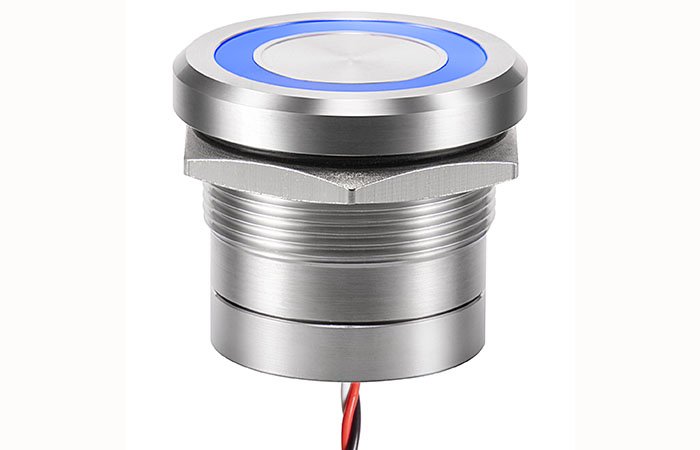
Choosing the Right Switch in Capacitive vs Mechanical Switches
Choosing the right switch depends on the following features.
Durability needs
Do you require high durability? Both mechanical and capacitive switches are durable. However, you must consider their construction and environmental resistance for optimal durability.
Tactile feedback
Tactile feedback provides confirmation of response, making users feel at ease. If tactile feedback is important, a mechanical switch is preferable.
Environmental conditions
What are your operating conditions? Harsh environments with high dust levels necessitate the use of highly sealed capacitive switches.
Cost
Your budget can also be a deciding factor. For example, a limited budget may lead you to choose mechanical switches. Otherwise, you can opt for capacitive switches at higher prices.
FAQs
1. Do capacitive switches require more maintenance?
No. Capacitive switches require less maintenance due to the absence of moving parts.
2. Do mechanical switches last longer?
It depends on the quality. Some mechanical switches can withstand millions of presses, while others may fail within weeks. Maintenance is crucial for the longevity of mechanical switches.
3. Can capacitive switches detect multiple key presses more accurately?
Yes. Capacitive switches can detect multiple simultaneous presses with high accuracy (e.g., 100%) without causing mismatched responses.
4. Are capacitive switches waterproof?
If the seals have an IP rating and the switches are manufactured to international standards, they can be waterproof. First, confirm the waterproof rating with your suppliers.
Conclusion
From capacitive to mechanical switches, each plays a distinct role in modern technology and electrical systems. Capacitive touch is an advanced system that offers a sleek design, superior touch sensitivity, and extremely easy maintenance. On the other hand, mechanical switches are ideal for traditional applications requiring tactile feedback and straightforward operation.
 Russia
 English