
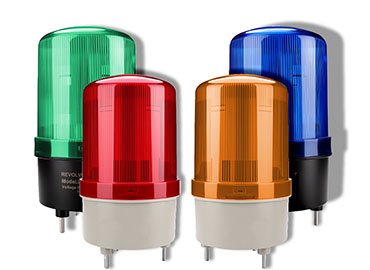
The industrial and construction sectors handle critical applications. During the manufacturing process, faults may arise. However, these faults must be clearly defined.
That is where LED warning lights come into the picture. They offer a comprehensive range of features to indicate current failures or upcoming hazards. Due to their longevity and robustness, they are integrated into all systems, including harsh industrial environments.
Today, we will discuss LED warning lights and examine their operational principles. Let us delve into the details.
What Are LED Warning Lights? How Do They Work?
LED warning lights are light-emitting diodes used to emit high-intensity, colorful, and bright light for various purposes. These colored lights convey messages to users regarding warnings or system safety.
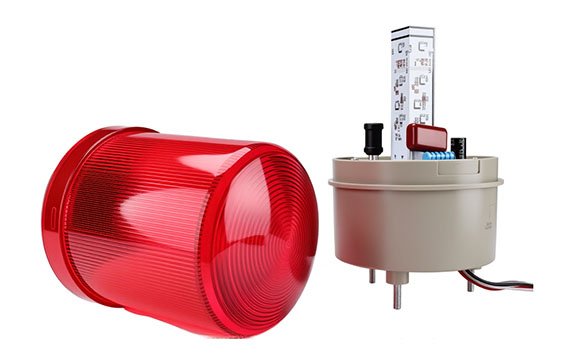
Most LED warning lights incorporate advanced control systems to monitor and adjust lighting patterns accordingly. Innovative systems offer enhanced features, efficient control, and integration with other devices.
Types of LED Warning Lights
There are five primary types of LED warning lights. They are as follows.
LED Light Bars
LED light bars are typically horizontal lighting systems installed on vehicle roofs or grilles. Different color variations convey distinct messages.
Beacon Lights
Beacon lights are rotating LED lights commonly found on construction sites. They may be mounted on vehicles or integrated into machinery. Mounting options include magnetic, permanent, and pole-mounted versions.
Grille and Surface Mounts
LED warning lights can be installed on vehicle grilles and surfaces. Beyond safety and functional purposes, they serve as lighting systems to enhance visibility and add aesthetic appeal for vehicle owners. They can be considered decorative vehicle components.
Dash and Visor Lights
Dash and visor lights are interior lighting systems used on car dashboards or as sun visors. Unmarked police cars or undercover agents often conceal these internal warning lights or use them as temporary lighting.
Traffic Advisors
Traffic advisors are LED lighting bars used to signal other vehicles. Law enforcement agencies frequently employ them as signs to stop or direct traffic.
Applications of LED Warning Lights
LED warning lights serve purposes beyond mere warning signs. The following is a list of their applications.
Emergency and Law Enforcement Vehicles
Police cars, ambulances, and fire trucks utilize high-strobe and high-intensity LED warning lights to alert people to various situations. Their high intensity ensures clear recognition and guidance for users.
Construction Safety
In construction zones, both LED bar lights and beacon lights are used in combination. They enhance worker visibility and warn nearby individuals of ongoing work.
Industrial Environments
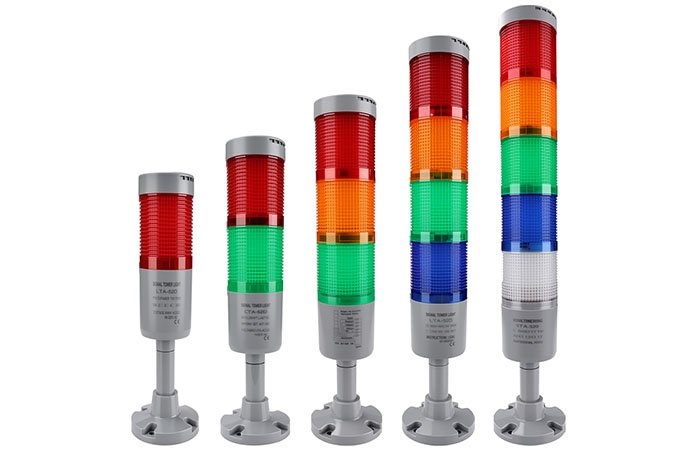
One of the most significant applications of LED warning lights is in industrial settings, such as warehouses and power plants. They indicate machinery activity, mark restricted zones, or signal emergency shutdowns. Their durability and resistance to harsh environments make them well-suited for such applications.
Marine and Aviation Safety
LED warning lights are integral to the marine and aviation industries. They significantly improve visibility in low-light or foggy conditions and warn pilots of upcoming obstacles. They also mark runways, docks, and navigation zones.
Public Safety and Utility Services
In public spaces, utility and maintenance vehicles use LED warning lights to alert users to potential obstacles.

Factors to Consider When Choosing LED Warning Lights
Are you seeking the highest quality LED warning lights? We have compiled several tips to help you select the appropriate quality and compatible LED warning lights.
Brightness and beam angle.
High brightness enhances area visibility. Consider both brightness levels and beam angle. A wider beam angle covers a larger area, while focused beams can reach distant locations for better concentration.
Color and flash pattern
Colors convey different messages. However, this also depends on local regulations and available color options. Typically, red indicates a critical situation, while green signifies that all is clear. Strobe and flashing lights are more attention-grabbing than steady, focused beams.
Power source
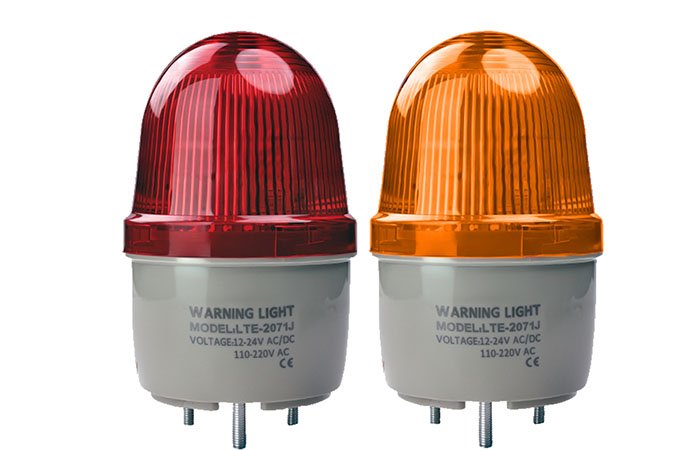
LED warning lights have various power sources. For example, hard-wired LED lights may be battery-operated or connected to 12V/24V power outlets. You can select the power source based on availability.
Mounting options
Temporary installation or permanent use? What is your preference? For temporary setups, magnetic mounts are suitable, while permanent installations require bolt-on or surface mounts.
IP rating and material quality
The installation environment is a decisive factor. For outdoor installations, opt for IP67 waterproof and weatherproof features. For indoor conditions, choose durable materials capable of withstanding mild to moderate stress.
Compliance with local regulations
Color indications vary by location. Consult local regulations to ensure your LED warning lights comply with relevant color and design standards.
Frequently Asked Questions
1. How long do LED warning lights last?
High-quality LED warning lights can have a long lifespan, reaching up to 50,000 hours. Some premium models may offer even longer durability. This depends entirely on product quality.
2. Can I install LED warning lights myself?
Yes. You can install LED warning lights yourself if they feature a plug-and-play setup. For professional and synchronized installations, it is advisable to hire experts.
3. Are LED warning lights waterproof?
Most LED warning lights designed for outdoor use are waterproof. Check the IP rating to confirm waterproof capabilities.
4. Which color LED warning light is legal to use?
Legal status varies by region. For example, red and blue are typically reserved for emergency vehicles, while amber is used for construction vehicles. White or green is specific to safety applications.
Conclusion
LED warning lights are essential across various industries. Their durability, energy efficiency, and high quality make them a superior choice compared to alternatives. When selecting them, consider quality, color options, and efficiency.
 Russia
 English