
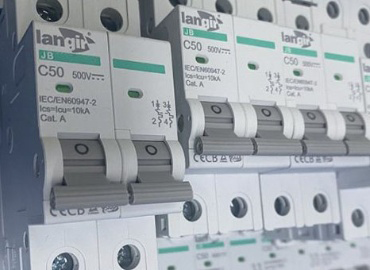
Your lights flicker, the TV suddenly dies, and the coffee maker stops mid-brew. Is it a ghost? Probably not. More likely, you have a bad circuit breaker.Circuit breakers are the guardians of your home’s electrical system. They work silently behind the scenes to protect you from fires and fried appliances. But when they go bad, things get risky. This guide will show you how to spot a failing breaker like a pro—no electrical degree needed.
What Is a Circuit Breaker?
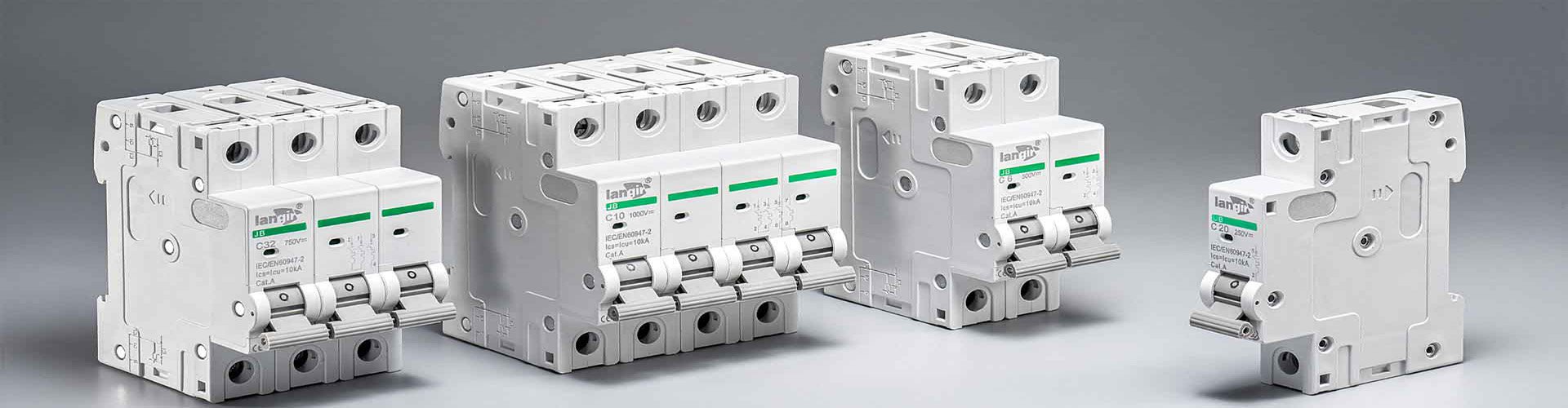
A circuit breaker is an electromechanical device that protects household appliances or equipment by manually opening and automatically closing short-circuited or overloaded circuits. Installed within an electrical panel (commonly known as a breaker box), it monitors the flow of current and interrupts power when irregularities are detected. Unlike traditional fuses, which require replacement after a single use, circuit breakers can be reset manually, making them a cost-effective and sustainable solution for modern electrical systems.
How Does a Circuit Breaker Work?
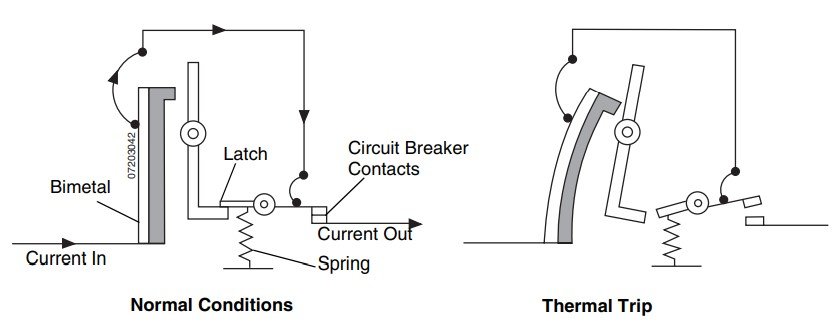
Circuit breakers are like whistles in distribution boxes and distribution systems. When it detects too much current flowing through the circuit (due to overload or short circuit), it immediately «trips» and cuts off the circuit to prevent overheating, fires, or damage to appliances. Once the issue is fixed, you can flip the switch back to restore power.
Common Signs of a Faulty Circuit Breaker.
Frequent tripping
If your circuit breaker trips frequently, it may be time for attention. While occasional tripping is normal (like when running multiple high-wattage appliances), frequent tripping means your circuit breaker is damaged. Over time, internal components may wear out, reducing the ability of the circuit breaker to handle the rated current.
Physical damage
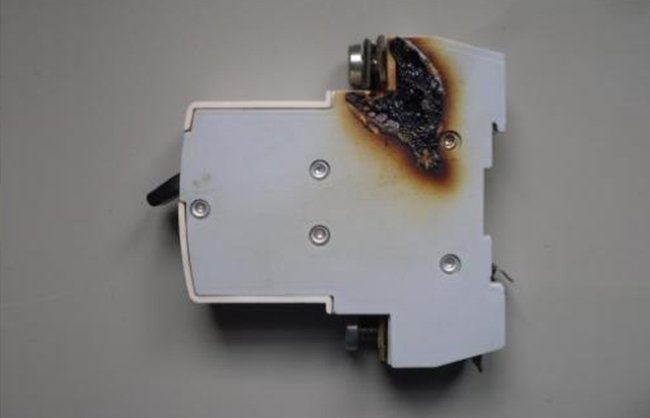
If you notice obvious signs of physical damage, it means the circuit breaker is bad. Scorch marks around the terminals indicate arcing or poor connections. And cracks in the casing may expose internal components to moisture or dust, further degrading its performance. If you find any of these physical damages, it is important to address the problem immediately to avoid a potential fire risk.
Burning odor
A burning odor near the electrical panel is a serious warning sign. This odor usually indicates overheated wires, melted insulation, or arcing inside the circuit breaker. If you notice a burning odor, turn off the main power immediately and contact a licensed electrician to inspect the circuit breaker and surrounding wiring. Taking prompt action can prevent catastrophic damage to your home and ensure your family’s safety.
Heat when touched
A circuit breaker should remain at or slightly above room temperature during normal operation. If you notice the breaker feels unusually hot to the touch, it could indicate loose connections, corroded contacts, or an overloaded circuit causing excessive internal resistance. Overheating can damage the breaker’s internal components and surrounding wiring, increasing the risk of fire.
Equipment not working
If the outlet or appliance still does not work after resetting the circuit breaker, the issue might be with the breaker itself. Bad circuit breakers are unable to maintain stable electrical contact, resulting in partial or complete loss of power to connected devices. To confirm the problem, test the affected circuit by plugging a working appliance into the outlet. If the device still fails to turn on power, the circuit breaker is damaged. However, you should also check for wiring issues or appliance malfunctions to rule out other potential causes.
How to Tell If a Circuit Breaker Is Bad?
Turn off power
Before checking or testing the circuit breaker, it is essential to cut power to the entire panel. This step ensures that you do not accidentally touch live wires, reducing the risk of electric shock. Use a non-contact voltage tester to verify that power is off at nearby outlets. If the tester detects no voltage, it is safe to proceed.
Test with a multimeter
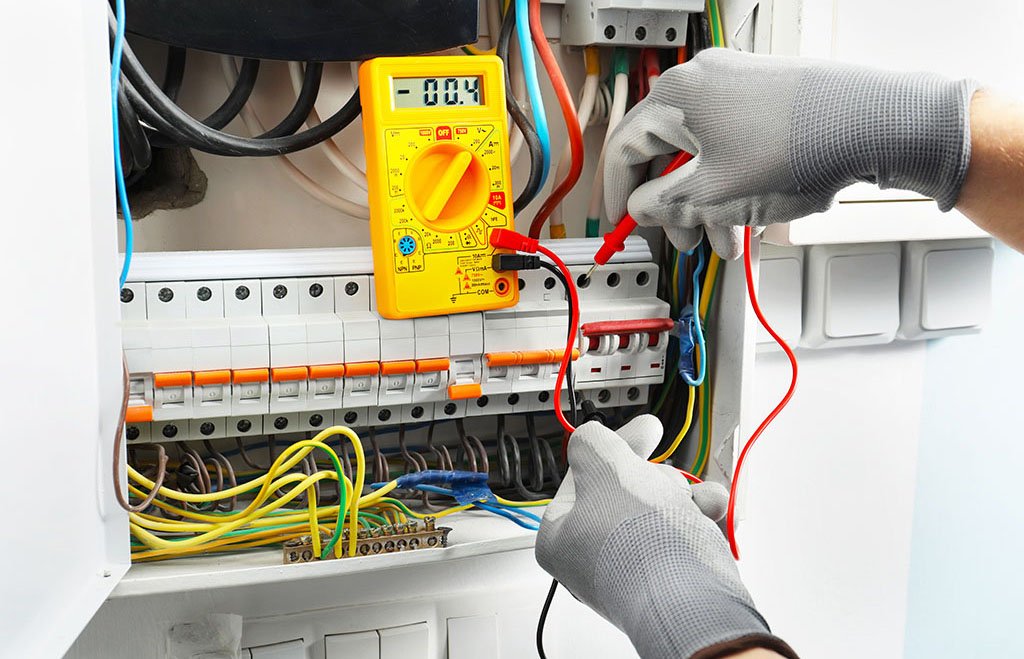
Set the digital multimeter to measure AC voltage (typically 120V). Turn on the circuit breaker and place the red probe on the output terminals of the breaker and the black probe on the neutral bus. A properly operating circuit breaker will display a voltage in the 110-125V range. If the multimeter shows 0V or an erratic reading, the breaker is bad. For double pole circuit breakers, test the voltage between the two hot terminals to ensure proper voltage output.
Reset the breaker
If the breaker appears undamaged and the multimeter test is inconclusive, try resetting the breaker to see if it holds. First, flip the breaker handle to the «OFF» position, then firmly push it to the «ON» position. If the breaker trips immediately or fails to stay in the «ON» position, it’s a clear sign of a malfunction. This behavior often indicates internal wear or a short circuit within the breaker itself. However, if the breaker stays on but the connected devices still don’t work, the issue may lie elsewhere, such as in the wiring or the appliances themselves.
How to Replace a Damaged Circuit Breaker
Replace it yourself
If you are familiar with electrical systems, then you can replace the circuit breaker by yourself. First, turn off the main power. Then, remove the panel cover and locate the faulty circuit breaker. Use an insulated screwdriver to disconnect the wires. Then, grab the edge of the breaker and pull it outward. Purchase a replacement breaker that exactly matches the brand, amperage and pole of the old breaker. Insert the new breaker into the panel, making sure it snaps securely onto the bus bar. Test the breaker by turning it on and checking that it is working properly.
Ask an electrician for help
For more complex circuit problems, or if you have no idea what is going on, the safest approach is to call a licensed electrician. Professionals have the tools and expertise to diagnose more potential problems such as corroded bus bars and faulty wiring. They can also ensure that replacement circuit breakers are installed in the correct position and tested for opening and breaking to comply with local electrical codes. While hiring a professional may be more expensive, it ensures long-term safety.
Upgrade your panel
If circuit breakers are repeatedly failing, your panel may need to be upgraded. The new panel needs to be adapted to the current power-consuming equipment.
Tips to Keep Your Circuit Breaker Working
Regular inspections
Regular inspections are the first line of defense against potential problems with all circuit breakers. It is recommended that you check your panel and circuit breakers every 3 months for signs of damage. Check the circuit breaker for heat, listen for buzzing, and smell for odors. If you find anything unusual during the inspection, address it promptly to prevent further damage or safety hazards.
Avoid overloading circuits
Distribute high wattage devices on multiple circuits. Never plug two heaters into a single outlet.
Keep it clean
Dust buildup in the panel can create conductive paths that can lead to short circuits. Vacuum the inside of the panel annually with a soft bristle brush attachment and spray the metal parts to prevent corrosion in a humid environment.
FAQ
1. How fast does the circuit breaker trip?
The tripping of a circuit breaker happens in an instant, perhaps 1 second.
2. Can a bad circuit breaker cause a fire?
Yes. Overheated breakers can ignite adjacent materials or damage insulation, creating arc faults.
3. What’s the difference between a tripped breaker and a bad one?
A tripped breaker resets and functions normally after resolving the overload. but a bad breaker fails to reset, trips repeatedly under minimal load, or shows physical damage.
4. What is the fee to replace a circuit breaker?
Standard circuit breakers cost $10-50. Specialty replacements cost $150-300 according to your local market.
 Russia
 English